
Torc Sensing Ebike vs Bosch Ebike System: Key Differences
Choosing an e-bike system is less about chasing a familiar name and more about understanding how the motor responds to you. On Bend roads, bike paths, and rolling Central Oregon terrain, that response can shape whether a bike feels calm and intuitive or abrupt and overpowered.
The best torc sensing ebike vs bosch ebike system comparison starts with ride feel: torque sensors measure how hard you pedal and adjust assistance to match your effort. Meanwhile, Bosch wraps that responsive sensing into a tightly integrated system known for reliability. Segway torque-sensing e-bikes can offer a similarly natural starting point, but the right choice depends on control, comfort, service support, and value.
Specifications can narrow the field, but they cannot fully describe how smoothly a motor engages on a climb or how naturally it fades when you ease off. A hands-on test ride at Voltaire Cycles in Bend lets you compare those sensations directly. First, it helps to clarify what torque sensing does and how a Bosch system fits within that broader category.
Schedule a free consultation today
Call our Bend showroom to compare torque-sensing and Bosch e-bike systems with expert guidance. A short conversation can point you toward the right system before you test ride.
Understanding Torque Sensing E-Bikes vs Bosch E-Bike Systems
Torque sensing describes how an e-bike decides how much assistance to provide. A torque sensor measures the effort you put into the pedals, then the motor responds in proportion to that effort. Push harder on a climb or when accelerating, and the system can provide more support. Ease up, and the assistance can feel more restrained. This creates a connected ride experience that often feels closer to riding a conventional bicycle with an extra layer of strength. Research describes torque-sensing systems as providing a more natural and responsive ride because they match power delivery to rider effort. The underlying research on torque-based e-bike control explains this relationship in more detail.
That is different from a cadence sensor, which primarily detects whether the cranks are moving. With cadence-based assistance, the motor may deliver power as long as you are pedaling, even if you are applying only light pressure. Neither approach is automatically right for every rider, but the sensations are distinct. Our our guide to torque versus cadence sensors covers the practical differences, including why some riders prefer a smoother response when starting, climbing, or maneuvering at low speed.
What makes a Bosch e-bike system different?
Bosch is not a competing sensor category in the same way that torque and cadence are. Bosch is a manufacturer of complete e-bike drive systems, including the motor, sensors, control components, battery integration, and related software. Bosch systems use torque-sensing technology as part of that larger system. In other words, a Bosch e-bike can offer torque-based power delivery, but not every torque-sensing e-bike uses Bosch components.
Bosch systems are known for their reliability, integrated design, and responsive torque-sensing feel. Bosch also documents its drive technology and system behavior through its support resources, including its explanation of natural riding feel from torque sensing. Bosch's e-bike system support information provides additional technical context.
For shoppers. The useful comparison is therefore not simply "torque sensor versus Bosch." It is a comparison between a general performance characteristic and one established system built around that characteristic. A non-Bosch e-bike may still deliver intuitive, effort-responsive assistance. The best choice depends on the motor's tuning, the bike's overall integration, your preferred ride feel, and how the system suits your daily routes. A hands-on comparison at a Bend showroom can reveal differences that specifications alone cannot.
Ride Feel: How Torque Sensing and Bosch Systems Deliver Power
On a Central Oregon climb, the most noticeable difference between e-bike systems is often not a specification on the product page. It is the way assistance arrives under your feet. A torque-sensing system measures how much effort you are putting into the pedals and adjusts support to match. Push harder on an incline, and the motor responds to that effort. Ease off near a corner or on level ground, and the assistance can feel less intrusive.
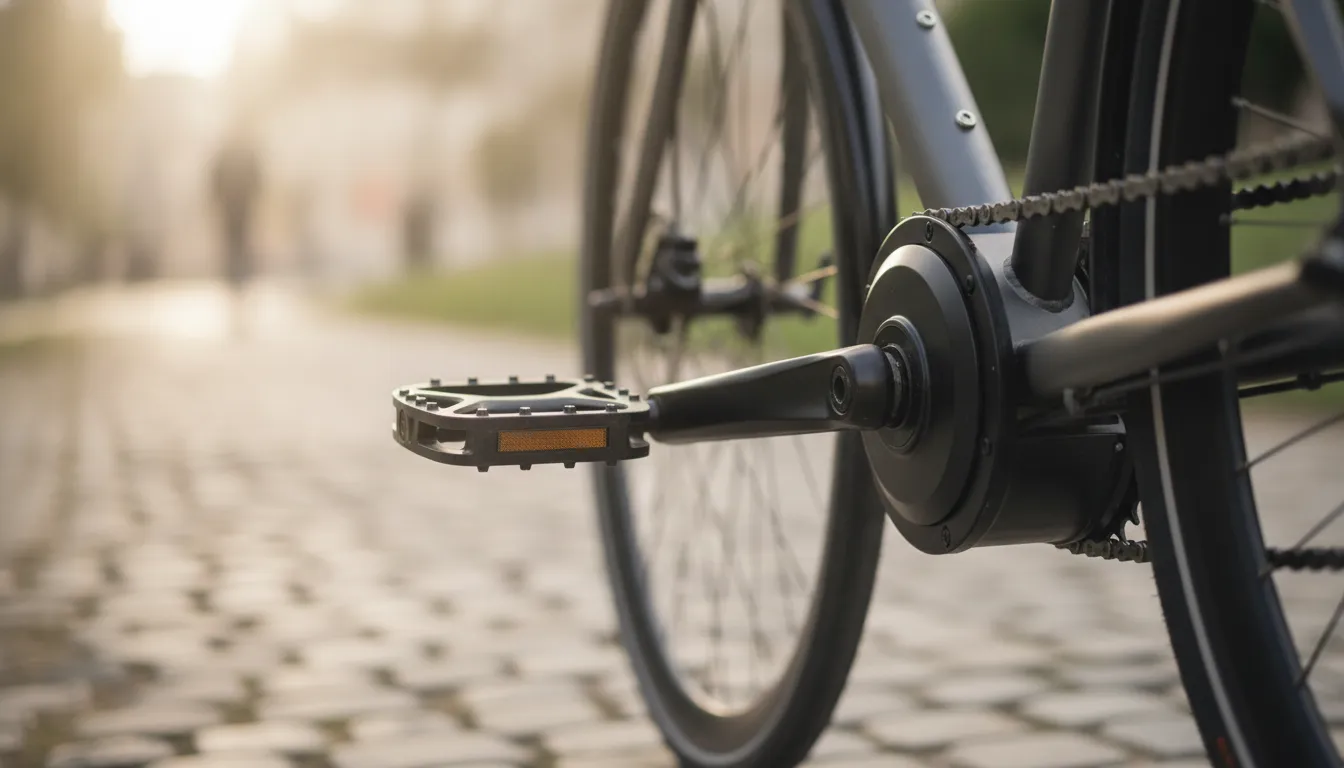
That effort-matched response is why torque sensing is often described as natural and responsive. Research on e-bike control systems describes torque sensors as providing power based on rider effort, rather than simply switching assistance on when the cranks begin moving. You can read more about how torque sensors improve riding in Bend for a closer look at that riding experience.
How the ride changes on hills and changing surfaces
Hilly routes around Bend can vary quickly. A ride may move from smooth pavement to a headwind, a gradual grade, or a steeper section where your cadence changes. In these situations, the control system has to respond to more than pedal movement alone. Motor torque can be adaptively controlled for factors such as rider weight, wind resistance, rolling resistance, and road slope. That approach helps the bike deliver support appropriate to the load instead of treating every moment of a ride the same.
In practical terms, a well-tuned torque-sensing bike can feel connected to your input. It supports a steady climbing rhythm without making the bike surge every time the pedals turn. That can be useful for commuters managing an exposed section of road, active riders carrying gear. Or anyone who wants electric assistance without losing the sense of participating in the ride.
Where Bosch systems fit
Bosch systems use sophisticated torque-sensing technology and are known for a highly responsive, natural-feeling ride. Their appeal is not only the motor response. Bosch also has a reputation for reliability and integration across the system, so the motor, controls, battery, and display are designed to work together as a coordinated package. The result is a controlled delivery that can feel polished and predictable as terrain changes.
That does not make every Bosch-equipped bike automatically the right choice, nor does it mean other torque-sensing systems will feel identical. Motor tuning, frame design, tire choice, riding position, and the selected assistance mode all affect the experience. The best comparison is one you can feel yourself. If you are shopping in Central Oregon. A test ride at the Voltaire Cycles showroom in Bend can help you compare how different systems respond to your own pedaling on hills, starts, and changing terrain.
Power Delivery, Reliability, and Integration Compared
Once both systems use torque sensing, the comparison becomes more nuanced than simply asking which one feels more natural. A torque sensor measures rider effort and helps the motor respond proportionally, while the quality of the surrounding software. Motor control, battery communication, and bicycle design shapes how that response feels on the road. Research describes adaptive motor control as a way to account for conditions such as rider weight. Wind resistance, rolling resistance, and slope, which helps explain why two torque-sensing e-bikes can still feel noticeably different.
| Category | Torque-sensing e-bike system | Bosch e-bike system |
|---|---|---|
| Ride feel | Can feel natural and responsive because assistance follows how firmly the rider pedals. The result depends on the sensor calibration and the complete bike system. | Known for a premium, highly responsive torque-sensing feel designed to make assistance blend smoothly with the rider's effort. |
| Power delivery | Can adjust assistance to changing effort and riding loads, including hills, wind, and surface resistance. The exact response varies by motor, controller, and riding mode. | Uses sophisticated torque sensing and integrated control to deliver predictable assistance across changing riding conditions. |
| Reliability | Reliability is not determined by the sensor alone. Motor quality, battery management, wiring, software support, and service access all matter. | Bosch systems are widely recognized for reliability, but the bike's assembly, maintenance, and local support still contribute to long-term ownership. |
| Integration | Integration ranges from straightforward to highly refined. Look at how the motor, battery, display, controls, and frame work together rather than judging by the sensor label alone. | A major strength is system integration, with the motor, battery, controls, and software designed to operate as one coordinated platform. |
| Value | Can offer the responsive benefits of torque sensing across a wider range of bikes. Compare the complete ownership package, not only the initial equipment list. | May appeal to riders who prioritize a mature, tightly integrated system and established performance characteristics. Value depends on the rider's priorities and the specific bicycle. |
The table is a framework, not a universal ranking. A well-calibrated non-Bosch system may suit a commuter or recreational rider extremely well. While a Bosch system may be the better fit for someone who places a high priority on consistent integration and a refined control experience. Neither label replaces evaluating the actual bicycle, fit, controls, assist modes, and support available after purchase.
That is why a test ride matters, especially for riders navigating Bend's varied terrain. At Voltaire Cycles, comparing systems in person can reveal differences in starting assistance, hill response, and how naturally the motor fades in and out. The most useful choice is the one whose power delivery feels predictable and comfortable for your real routes, not simply the one with the most familiar system name.
Reliability and Service: What Owners Should Expect
Reliability is not only about how a motor performs on the day you buy an e-bike. It also includes how well the system is integrated, how clearly it communicates with the rest of the bike. And whether you can get informed support as the bike accumulates miles. Those considerations matter in Central Oregon, where an e-bike may see daily commuting, steep roads, dusty trails, cold mornings, and long recreational rides.
Bosch has built a particularly strong reputation in the e-bike aftermarket. Its systems are known for sophisticated integration and responsive torque sensing, which helps create a controlled, natural connection between rider effort and motor assistance. Bosch's own support documentation reflects the complexity of its system ecosystem and the importance of proper diagnosis when an error occurs. You can review that guidance in the Bosch e-bike support center.
That reputation should not be mistaken for a promise that every Bosch-equipped bike will be trouble-free, or that another torque-sensing system is inherently unreliable. Actual ownership depends on the bike's complete design, setup, riding conditions, maintenance, and the quality of service available after purchase. A well-integrated system is valuable, but so is having a knowledgeable technician who understands the bike as a whole.
Why local service changes the ownership experience
Support is especially important when you are comparing a Bosch e-bike system with a different torque-sensing platform. A service team can help distinguish normal operating behavior from a setup issue. Identify wear elsewhere on the bike, and recommend maintenance before a small concern affects a larger ride. It also gives shoppers a practical place to ask questions about fit, controls, charging habits, and the conditions in which they plan to ride.
For Bend and Central Oregon riders, our service and repair team supports all major e-bike brands. That multi-brand perspective is useful when you want an honest comparison rather than advice limited to one system. Whether your priority is Bosch's integration, the responsive feel of another torque-sensing bike, or straightforward support for a particular use case. The best choice is the one you can understand, ride comfortably, and maintain with confidence.
Segway Torque-Sensing E-Bikes and Where They Fit
Segway torque-sensing e-bikes occupy a useful middle ground for riders who want a more connected ride without assuming that the most familiar premium system is the only path to responsive assistance. A torque sensor reads how firmly you are pressing the pedals, then helps the motor respond to that effort. The result can feel more natural than a basic cadence-based system, which turns assistance on mainly because the cranks are moving. Research on e-bike control describes this adaptive approach as a way to account for changing loads such as rider weight, wind, rolling resistance, and slope.
That distinction matters on real Central Oregon rides. A commuter may want gentle support while starting from a stop, steady assistance on a gradual climb, and less intervention when cruising. A rider carrying gear or heading into a headwind may appreciate power that follows effort rather than arriving as a fixed burst. The best setting still depends on the bike, the rider, and the way the system is tuned. So a label such as torque-sensing should begin a conversation, not end it.
How Segway compares with premium e-bike systems
Bosch has earned a strong reputation for reliability, system integration, and a polished torque-sensing feel. Its ecosystem is one reference point for shoppers researching the torc sensing ebike vs bosch ebike system question, but comparison should focus on the complete riding experience rather than brand recognition alone. Consider how quickly assistance responds, how smoothly it eases off, how the controls feel, and whether the bike's fit and intended use match your priorities.
Voltaire Cycles carries Segway models suited to different kinds of riders, including the Segway Myon commuter electric bike and the Segway Xaber 300. They give shoppers a chance to consider responsive assistance in more than one riding context, without treating every e-bike as a premium-system clone. You can read our Segway Myon review for more model-specific perspective, or browse Segway e-bikes and scooters at Voltaire Cycles to see the current collection.
For a broader shortlist, our guide to top-rated torque sensing e-bikes can help organize the options. Then compare them in person. A hands-on test ride at the Bend showroom makes it easier to notice whether a system feels appropriately supportive. Overly abrupt, or well matched to your cadence, terrain, and confidence level.
What to Look For When Comparing E-Bike Systems
Specifications can narrow your choices, but they cannot tell you exactly how an e-bike will feel on the road. Use the following criteria to compare systems more thoughtfully, especially if you are weighing a torque-sensing option against a Bosch setup.
- Start with the ride feel and assistance threshold. Notice how quickly the motor responds when you begin pedaling, how smoothly assistance builds, and whether the support feels proportional to your effort. A system that reacts naturally can feel easier to control at low speeds, when starting from a stop, or when navigating a crowded path. Pay attention to the transition when assistance begins and ends rather than judging only the maximum support.
- Consider how power delivery fits your terrain. Think about the places you actually ride: paved streets, hills, gravel roads, bike paths, or a mix of surfaces around Central Oregon. Motor assistance may need to respond to changes in slope, wind, rolling resistance, and rider load. Research on e-bike control systems describes adaptive motor torque as one way to account for those changing conditions. The best match is the one that feels predictable on your regular routes, not merely impressive in a product description.
- Check the reliability and service support behind the system. Ask who can diagnose the bike, perform routine maintenance, and help if a display, sensor, battery connection, or drive component needs attention. A familiar local service team can make ownership less stressful, particularly for riders who depend on their e-bike for commuting or recreation. Clarify what support is available before making a purchase, and ask whether the shop works across multiple brands.
- Evaluate integration and display quality. The display and controls should give you useful information without distracting you from riding. Look for clear mode changes, easy-to-reach controls, sensible app features if included, and wiring or component integration that feels deliberate. Good technology should simplify your ride rather than require constant troubleshooting.
- Compare value as total ownership cost. Look beyond the initial price. Consider the included equipment, expected maintenance, service access, battery and component support, and how well the bike suits your routes over time. A less expensive system may be a poor value if it does not deliver the ride feel or support you need. While a premium system may not be necessary for every rider. Browse all electric bikes online to compare available approaches, then take a test ride before deciding. Voltaire Cycles offers hands-on test rides at its Bend showroom, which is the most reliable way to compare ride feel firsthand across different systems.
Explore how torque sensors improve riding
Book a test ride at the Voltaire Cycles showroom in Bend to feel the difference for yourself.
Frequently Asked Questions
What is the difference between cadence and torque sensing e-bikes?
A cadence sensor activates assistance when it detects pedal movement. A torque sensor responds to how hard you press the pedals, so motor support can feel more proportional to your effort. That distinction often makes torque-sensing bikes feel more natural and responsive, especially when starting, climbing, or changing pace. Priority Bicycles explains the difference between cadence and torque sensors.
Is a Bosch e-bike system a torque-sensing system?
Yes. Bosch systems use torque sensing as part of their power-delivery approach, helping the motor respond to rider input for a controlled, natural feel. Bosch is also recognized for system integration and reliability, but a Bosch label alone does not determine whether a bike is the right fit. Frame design, controls, battery capacity, service support, and your preferred ride feel all matter.
Why do many riders prefer torque sensing?
Torque sensing can make assistance feel more intuitive because the motor responds to the rider's effort rather than simply detecting that the cranks are turning. Research describes adaptive motor control that can account for factors such as rider weight, wind. Rolling resistance, and slope, which helps explain why the response can feel useful across changing terrain. Academic research on e-bike torque control provides additional context.
How can I tell which motor system feels best for me?
Take comparable bikes for a hands-on test ride and pay attention to starts. Low-speed balance, hills, braking transitions, and how smoothly assistance changes when you pedal harder or softer. A short ride can reveal more than specifications alone. Voltaire Cycles offers test rides at its Bend showroom so Central Oregon riders can compare Bosch and other torque-sensing systems in person.
Ready to Compare E-Bike Systems in Person?
Ride feel can be difficult to judge from specifications alone. A hands-on comparison helps you understand how torque-sensing and Bosch systems respond to your own pedaling style, terrain, and comfort preferences. Schedule a free consultation or plan your visit to the Voltaire Cycles showroom in Bend to explore your options and test ride the systems side by side.