

Torque Sensing vs Cadence Sensor Electric Bike Guide
One simple sensor choice determines whether your electric bike feels like a bicycle or a moped. Choosing the wrong system can make your daily commutes in Central Oregon feel jerky and exhausting.
Torque sensing vs cadence sensor electric bike designs offer two very different ways of sending power to help you ride. A torque sensor measures the physical force you apply to the pedals to provide a smooth, proportional boost, which research shows improves ride quality and efficiency. A cadence sensor simply detects how fast you spin the pedals, giving you a pre-set level of motor help that can feel like an on-off switch. These systems change how hard you pedal, how far your battery goes, and how you ride up steep hills. Knowing how these work helps you choose the perfect model for your needs, whether you want an active workout or a relaxed commute.
To find your perfect electric bike, you need to understand how each option behaves on the hills and streets of Bend. In this guide, we break down both torque-sensing and cadence-sensor pedal-assist systems, compare ride feel. Efficiency, and battery life, and help you decide which one fits how you ride.
Ready to find your perfect ride? Browse Segway electric bikes online or schedule a test ride at Voltaire Cycles of Oregon today!
What Are Torque-Sensing and Cadence-Sensor Pedal-Assist Systems?
Electric bikes use smart systems to make riding easier. When you pedal, a motor kicks in to help you move. That boost is called pedal assist, and it makes hills and longer rides far easier.
But not all assist systems work the same way. The type of system on your bike changes how the motor feels and how it responds to your effort. Understanding motor sensors like torque and cadence is a key first step before you choose.
The Natural Flow of Torque Sensors
A torque sensor measures how hard you push on the pedals. If you step down with force, the motor gives you a lot of help. If you pedal softly, the motor gives only a small nudge. Research on motor torque control shows the motor can match your muscle power, so the ride feels smooth and natural. Because it reacts to your strength, a torque sensor delivers power right away and makes starting from a dead stop feel safe and fast.
The Steady Assist of Cadence Sensors
A cadence sensor works differently. It does not measure how hard you push. Instead, it only measures how fast you spin the pedals, then turns the motor on once you move the crank. It works much like an on and off switch for power. This setup can feel a bit less smooth because the boost often comes on all at once. For some riders, that simple system is ideal because you get help without working hard, though it lacks the adaptive feel of a torque-sensing bike.
In short:
- Torque systems give a smooth, natural feel that matches your own effort.
- Cadence systems offer a simple, low-cost boost based on pedal speed alone.
How a Torque Sensor Works on an Electric Bike
Real-time force tracking
A torque sensor measures how hard you push the pedals. Unlike a cadence sensor that simply counts pedal turns, a torque sensor tracks your exact muscle effort. A study published by the National Institutes of Health shows how these systems measure rider force to control the motor. Push harder and the motor gives more help; pedal lightly and it backs off. Built around strain gauges that read the tiny flex in the frame. The system adds exactly the power you need, so the boost stays smooth and feels like your own stronger legs.
Adaptive control on hills and wind
This response matters on hills and in wind. As a climb forces you to push harder, the sensor reads the change instantly and sends more power right when you need it. Adaptive torque control adjusts for wind and road slope, so the power comes on softly instead of with a jerk. That instant feedback also makes riding safer on wet or loose gravel, where a sudden burst of power can cause the tires to slip. Because a torque sensor only adds power when you apply force. You stay in control and can restart from a dead stop on a steep hill without losing traction.
Better parts for a better ride
The sensor type also tells you about the build. Top brands use torque sensors as a mark of premium components. They respond to your movements in real time, giving full control over speed even in tight spaces. Torque sensors are durable, need little care, and help save battery life because the motor only works when you do. If you want a ride that feels like a standard bicycle with extra power, torque sensing is the technology to choose.
How a Cadence Sensor Works and Why It Feels Different
A cadence sensor uses a simple magnet ring to measure how fast you spin the pedals. Unlike a torque sensor, which tracks how hard you press, this sensor only cares about motion. Once you start to spin the pedals, the motor kicks in to help you. A cadence sensor detects the rotation speed of the pedals, not the force you exert. This design often leads to a quick on or off power boost (Voltaire Cycles).
The mechanics of rotation speed
How does this sensor work in detail? A plastic ring with small magnets is set on your bottom bracket. When you turn the crank, these magnets pass a small sensor. The sensor counts how fast the magnets go by. This speed tells the motor controller how much help to give you. The motor does not care if you push hard or soft. It only cares that your feet are moving. If you are trying to learn how to choose an electric bike, this difference is vital to know.
A steady and predictable power boost
When comparing a torque sensing vs cadence sensor electric bike, the ride feel is the key difference. A cadence system gives a steady, set power flow. The motor keeps you moving at a steady pace as long as the pedals turn. If you stop, the power cuts off. This setup feels very safe and simple.
Riders often choose this sensor type for specific benefits:
- Easy cruising with low leg stress.
- Steady speed on flat bike paths.
- Less sweat during warm daily trips.
- More low-cost bike options for beginners.
Sensing differences in everyday riding
How does this system compare to other designs on a real road? Torque systems measure pedal force to provide proportional power assist, as shown in academic studies of motor systems. In contrast, cadence sensors only track speed. This means you can pedal lightly and still get a huge boost from the motor.
For retirees or riders with knee pain, this is a great feature. It lets you ride with ease. However, it can feel less natural. In hilly spots, a torque-sensing bike may feel smoother. But on flat terrain, the steady assist of a cadence sensor is hard to beat.
Torque Sensor vs Cadence Sensor: Key Differences at a Glance
Choosing a torque sensing vs cadence sensor electric bike shapes how your ride feels and how far your battery lasts. Cadence sensors track the speed of your pedaling to turn the motor on or off. Torque sensors measure the real force you apply to the pedals to give you a proportional power boost based on your effort.
How motor sensors track your effort
This difference in tech changes how you control your speed. A cadence setup feels like a simple switch that kicks in when you spin the pedals. On the other hand, torque systems respond to your legs instantly to create a natural, intuitive ride. You can read more about understanding motor sensors like torque and cadence in our online buyer guide.
Side-by-side sensor comparison
To help you choose, we have put together a quick look at how these systems work in the real world.
| Feature | Torque Sensor | Cadence Sensor |
|---|---|---|
| What it senses | Pedal force applied by the rider | Speed of the pedal rotation |
| Ride feel | Natural, smooth, and proportional boost | Constant, sudden on or off power boost |
| Efficiency | High, matches motor help to your effort | Lower, can drain battery faster |
| Best suited for | Trail riders, exercise, and technical paths | Commuters, seniors, and flat roads |
Each type has its own strengths depending on your goals and where you ride in Central Oregon. Cadence sensors are great for riders who want an easy, low-effort cruise without working too hard. On the other hand, a torque sensor gives you precision control when you ride on hills or dirt trails.
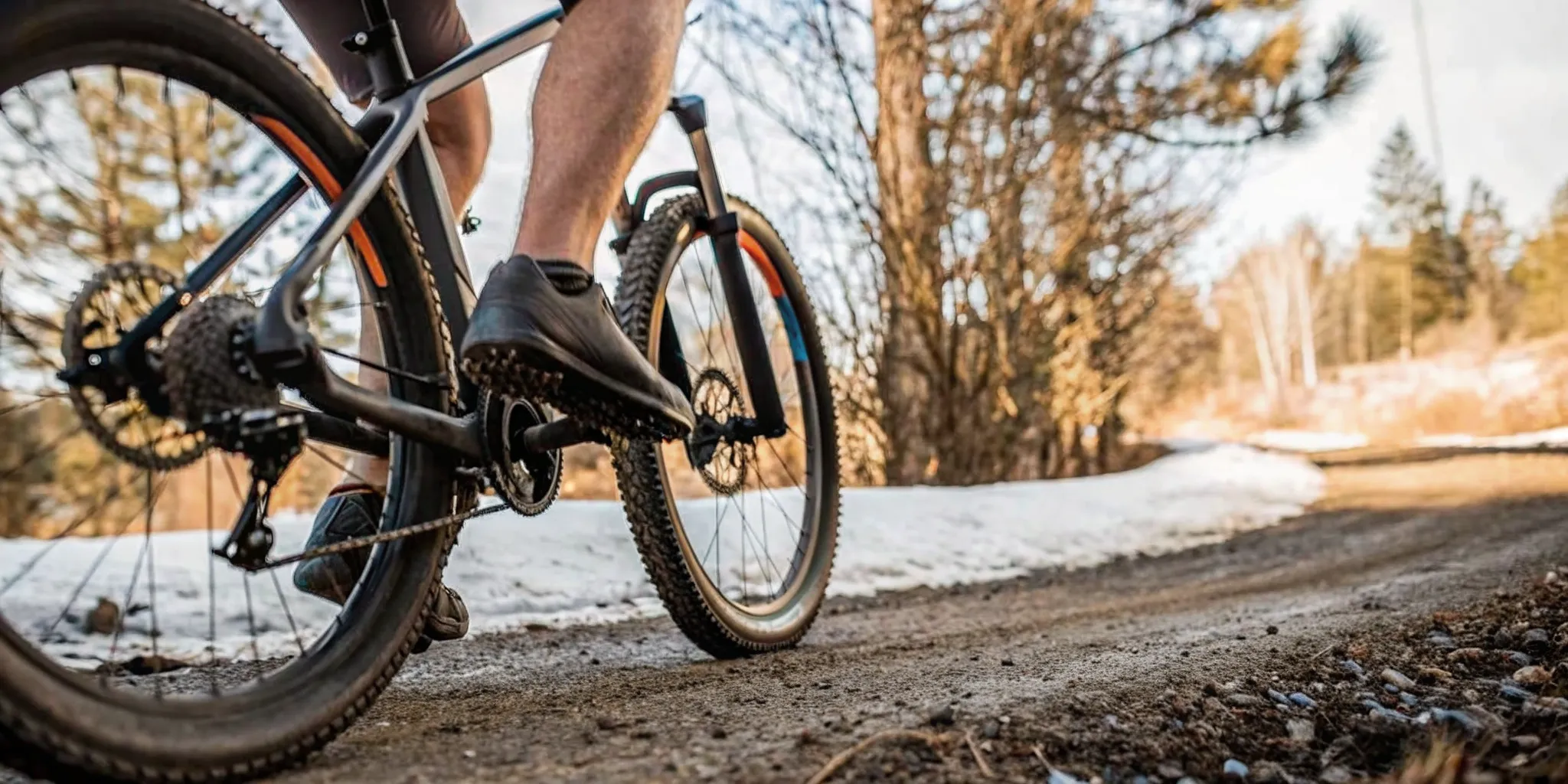
If you want to feel this smooth response, you can test ride Segway electric bikes at Voltaire Cycles. At Voltaire Cycles of Oregon, our team can help you find the right fit for your lifestyle. We offer local test rides in Bend so you can feel the direct difference between these two systems for yourself.
Which Riders Prefer a Torque Sensing vs Cadence Sensor Electric Bike?
Your choice in a torque sensing vs cadence sensor electric bike comes down to how and where you ride.
Daily commuters and urban riders
For relaxed daily commutes, a cadence system works like an on and off switch: once you turn the pedals. The motor delivers a steady stream of power, so you can cruise without sweating. It costs less and works well on flat city streets. Riders who want a more active, responsive trip often prefer a torque system, which matches your leg force for a smooth boost and reacts instantly in stop-and-go traffic. If this sounds like you, start by choosing an ebike.
Active seniors seeking a natural ride
Seniors often value safety, control, and a steady ride. A torque sensor provides a smooth, natural power boost that matches how hard you push, so the bike never surges forward when you first touch the pedal. That gentle response helps you stay balanced getting on and off and turning corners. Since the motor needs you to pedal to help, you still get a light workout that keeps you active without joint strain.
Off-road riders and mountain bikers
Trail riders need fine control. On dirt or gravel, a sudden burst of power can cause the wheels to slip. So a torque system is safer on steep climbs because it adds power only when you push hard. Research in PubMed Central shows adaptive torque control adjusts for wind and road slope, helping you climb without losing grip. For Central Oregon's rough trails, look at premium Segway electric bikes, and take a local test ride to feel the difference yourself.
Battery Life and Efficiency: Does One Sensor Type Drain More?
Sensor design and battery range
How far you can ride on a single charge depends heavily on the sensor. The difference between a premium e-bike components build and a simpler one often comes down to how the motor draws power. Cadence systems look at pedal speed; torque systems measure pedal force. That change in input directly affects how much energy the motor uses from the battery.
Constant power drain from cadence systems
Cadence sensors can drain your battery faster on most rides. They act like an on and off switch: once you spin the pedals, the motor gives full help even if you push very lightly. Because the motor stays active whenever the bike is moving, it can waste power you cannot recover by working harder. On long trips, that limits your total range.
Efficient energy use with torque systems
Torque sensors are more efficient because they match motor help to your pedal force. Push lightly and you get only a small boost; push hard and the motor responds with more power. Studies show that adaptive torque control adjusts output based on load, reacting to wind and steep slopes instead of dumping power in. Because the motor works with your effort, torque systems can extend your miles per charge and give you a longer range on the same battery.
How to Test a Torque vs Cadence Sensor Electric Bike Before You Buy in Bend
Before you spend money, you should feel how the two sensor types ride. The best way to do this is with a hands-on test at our local shop. You can test both systems on the streets of Bend. This lets you feel the change between the fast boost of a cadence sensor and the natural power of a torque sensor.
Showroom test rides for real-world feel
At our Bend showroom, we help you find the right match. You can try several Segway electric bikes at our store. Our team will guide you through each ride to find what fits.
For instance, try a commuter model like the Segway Myon on local streets. You can also ride an off-road model on dirt paths. This shows how the motor responds to your feet in real time.
- Start on a flat road and pedal slowly to feel how quickly each system responds to your first push.
- Ride a moderate hill to compare how torque sensing matches your effort against how a cadence sensor delivers a steady boost.
- Stop and restart from a dead standstill to test smoothness and control at low speed.
- Repeat both bikes on the same route so you can compare ride feel fairly before you choose.
Testing on hills and flat roads
Testing on many paths in Bend is key. On a hill, you will see how each sensor handles the grade. Research shows that adaptive torque control adjusts the motor for road slope. The bike matches your effort.
A cadence sensor works in a simple way. It gives a set boost when the pedals spin, no matter how hard you push. Since this is great for flat roads, you do not have to pedal hard to get full power. Try both to see which style of ride you like more.
Expert help for your decision
You do not have to guess which system is best. Our staff can answer your questions about e-bike tech. We do not use pressure. Instead, we want to help you find a ride that fits your life.
We can look at how you plan to ride on our local trails. This helps you weigh each sensor for your daily paths so you get the best fit.
To start your search, you can check our store online. You should contact the Voltaire Cycles team to set up a test ride. We will have the bikes ready. This is the best way to choose the perfect ride before you buy.
Schedule your test ride in Bend or browse Segway electric bikes to compare torque and cadence systems today.
Frequently Asked Questions
Which is better, a cadence sensor or a torque sensor?
Neither is always better because the choice depends on your riding style and needs. A torque sensor works best if you want a natural feel that matches your leg power, making it great for trail riding. A cadence sensor is better if you want an easy boost with very little leg effort, which is perfect for flat commutes. You can learn more about these options by visiting Voltaire Cycles to test ride both sensor types in Bend.
What is torque sensing on an ebike?
Torque sensing is a system that measures how hard you push the pedals to determine motor support. Unlike speed-based sensors, a torque sensor provides proportional help matching your physical input. A National Institutes of Health study shows that this technology reduces rider leg fatigue. It does this while keeping a highly responsive, natural, and intuitive feel.
Does torque or cadence use more battery?
Cadence sensors often use more battery power because they deliver a set level of help based only on pedal speed. This can cause the motor to run at full power even when you push the pedals very lightly. In contrast, torque sensors save energy because they adjust power to match your exact physical effort. This smart control helps extend your riding range on hills and long trips.
Can I change a cadence sensor to a torque sensor?
No, you cannot easily change a cadence sensor to a torque sensor. These two systems use different frame designs, bottom brackets, motor controllers, and wiring setups. Upgrading needs you to replace most of the drive system, which costs more than buying a new bike. If you want to try a torque-sensing ride, we recommend browsing high-quality Segway electric bikes or taking a test ride in Bend.
Test Ride a Torque-Sensing or Cadence-Sensor Electric Bike in Bend
The best way to choose between a torque-sensing and cadence-sensor electric bike is to feel the difference yourself. A test ride tells you quickly how each system responds to your pedaling, whether you plan to commute, cruise with seniors in mind, or climb Central Oregon's trails. At Voltaire Cycles, our local electric mobility experts will walk you through both systems. Answer your questions, and help you pick the Segway model that matches how and where you ride.
We are proud to be Bend and Central Oregon's premier electric mobility retailer, with hands-on test rides, certified service, and a commitment to quality backed by local support. Come try a torque-sensing and cadence-sensor bike side by side before you buy.
Schedule your test ride at the Voltaire Cycles showroom in Bend today.