

How Torque Sensors Improve Ebike Riding in Bend
Lurching forward the instant you touch an e-bike pedal feels unnatural and unsafe. Traditional cadence sensors often deliver power like an on-and-off light switch. A smarter motor system is needed to match your real effort on the road.
How torque sensors improve ebike riding is simple: they measure the force you apply to the pedals and instantly amplify your effort. Unlike cadence systems that only check pedal movement, these motors adjust power based on how hard you push. This system provides smoother power, a natural pedal feel, and better range. A government study shows that this precise control adjusts motor power for hills and rider weight. This ensures you never experience sudden lurches or dead zones while riding. These smart sensors also reduce battery waste by only giving assist when you need it. It creates an organic experience where the bike feels like a natural extension of your own legs.
If you want to understand how this smooth system works on the road, we must look at how these smart parts are designed. To find out what makes your ride feel so intuitive, we need to answer a simple question: How Does a Torque Sensor Work? The path begins with...
See the Segway torque-sensing e-bikes at Voltaire Cycles in Bend and feel the difference for yourself on a guided test ride.
How Does a Torque Sensor Work?
Measuring your pedal force
An electric bike needs to know how hard you push to give you the right level of motor help. A torque sensor does this by tracking the force you apply to the pedals. When you push down, the sensor measures that twist to help reduce your workload. This setup makes your ride feel smooth and natural.
To understand more, you can read about how torque sensors function compared to older cadence models. While cadence models only check if you are pedaling, torque systems measure your actual work. To see how the motor matches your effort, you can review research on motor torque control. This active feedback loop creates a safe and stable ride.
Real-time force measurements
The key to this system is speed. A good torque sensor is highly sensitive, taking up to 1,000 measurements per pedal stroke. This high speed means the motor knows what you are doing in real time. It can adjust the power output in a fraction of a second.
There is no lag or delay when you need extra help. If you hit a sudden steep slope, the sensor registers the change in your effort right away. The motor responds instantly to keep your momentum going. This rapid response keeps you in control on rough paths or city streets.
You do not have to wait for the pedals to spin a full turn before the motor kicks in. The power flows the moment your foot presses down. This makes starting from a complete stop much easier and safer.
Proportional power amplification
A torque sensor does not just turn the motor on or off. Instead, it scales the power to match your exact effort. When you push lightly, the motor gives you a small boost. This low pedaling pressure may boost your power by about 50%.
If you need to climb a steep hill, you will push harder on the pedals. The sensor detects this extra effort and increases the motor output. At peak pressure, the system can boost your pedal power by up to 300%. This is automatic power adjustment with torque sensors at work.
By matching your effort, the bike gives you a boost that feels like an extension of your own legs. This is how torque sensors improve ebike riding for commuters and trail riders alike. You get the exact support you need without any sudden or jerky lunges.
How Does a Torque Sensor Improve Ebike Riding Feel?
To see how torque sensors improve ebike riding, it is helpful to look at how they deliver motor power. When you ride a bike, you want the help to feel smooth and natural. A good sensor makes sure the motor works with you, not against you. This is why many riders in Central Oregon choose this system for their daily trips and weekend outdoor fun.
How the motor amplifies your pedal force
A torque sensor works by measuring the direct force you apply to the pedals. It takes your physical effort and amplifies it to make the ride feel smooth and easy. Instead of just turning on when the pedals move, the motor tracks your hard work. This creates a natural feel, as noted in medical and engineering research on motor torque control. The help starts the moment you push down, which is great when you pull away from a stop. When you press on the pedals, a special strain gauge reads your force. It instantly tells the motor how much power to feed to the wheels. This means the e-bike feels like an extension of your own legs. You do not get the sudden lurch that older e-bike designs often had. Instead, you get smooth help that blends with your natural stride.
Dynamic power that adjusts to your effort
Older cadence sensors can feel like a simple on-and-off switch. They only measure if the pedals are turning, which can lead to a sudden jerk of power. In contrast, torque sensors offer a more natural ride by adjusting motor help based on how hard you pedal. If you push lightly, the motor gives you a small boost. If you press hard, the motor responds with more strength. This automatic power adjustment with torque sensors gives you total control over your speed without sudden surges.
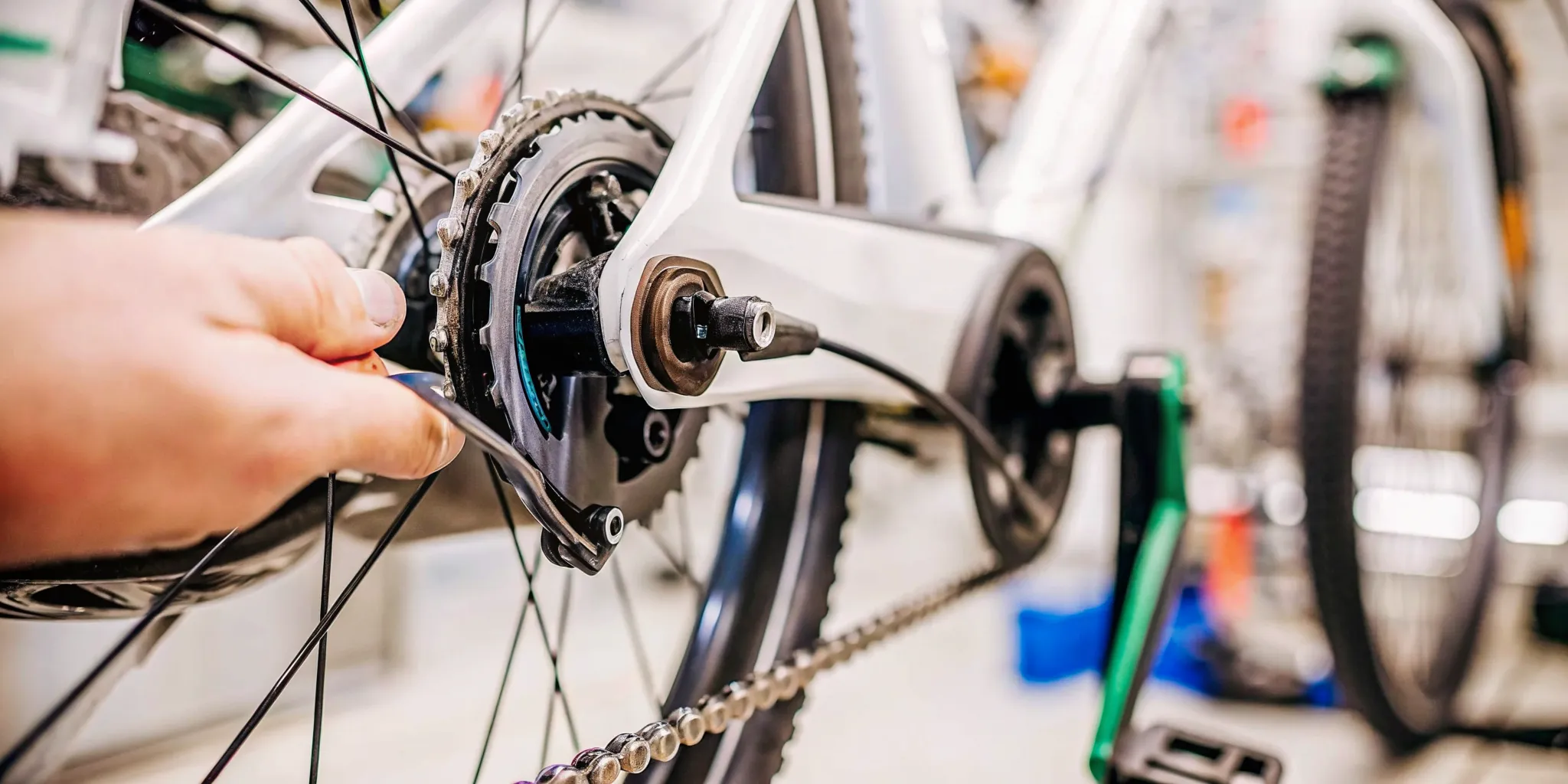
Cadence sensor limits compared to torque sensing
Cadence sensors only look at speed. They do not care how hard you are working. If you spin the pedals fast without any force, a cadence system still sends full power. This can feel unsafe in tight spots or crowds. A torque sensor is much safer because it knows exactly how much work you are doing. The power scales with your effort to keep you safe and in control.
Adaptive control on steep hills and headwind
Adaptive torque systems also make riding on varied terrain much safer and more fun. The motor can change its output based on your weight, the slope of the road, and even the wind you face. This smart help keeps your speed steady on steep climbs without making you sweat. By matching your effort on hills, the bike behaves just how you expect. This is a big reason why many local retirees and commuters in Bend prefer this system for their daily routes.
In Bend, riders face rolling hills and changing winds. A simple motor can bog down when the road gets steep. But smart sensors adjust the power on the fly to help you maintain a steady pace. This means you do not have to fight the bike when you climb a steep hill. You get the right amount of help to stay safe, keep your balance, and enjoy the views.
Does a Torque Sensor Improve Battery Range?
Many riders wonder if their choice of sensor affects how far they can ride on a single charge. The short answer is yes. A torque sensor can help you get more miles out of your battery compared to a basic cadence sensor. When you look at how torque sensors affect battery range, the secret lies in how the motor gives you power.
Energy savings through smart power
A torque sensor measures how hard you push the pedals. If you pedal lightly, the motor only gives a small boost. If you push hard, such as when climbing a hill, the motor gives more help. This means the motor only works hard when it is truly needed.
This smart system stops the motor from wasting energy. On other bikes, the motor often runs at full power as long as the pedals are turning. That wastes a lot of battery. By using efficient power management, these sensors ensure that the motor only helps you when it is truly needed.
Adapting to hills and wind
Riding in Central Oregon means facing hills and wind. A torque sensor adapts to these changes. When you face a headwind or start to climb, you naturally push harder on the pedals. The sensor feels this change in your effort and quickly gives you more help.
This smart response keeps your ride smooth. On a flat road, you do not need as much help. The sensor lowers the motor support right away. This smart change protects the battery from drain. It ensures the motor does not waste energy when the wind dies down or the road flattens out.
More miles from each charge
This careful power use directly leads to a longer battery life on your rides. When you ride a bike with a torque sensor, you are in full control of the pace. The system behaves like a natural extension of your own legs, giving you power only when you do the work.
Because the system avoids sending full power when you do not need it, you can ride much farther. For example, if you are riding on a flat trail in Bend, you might only need a tiny bit of help. A torque sensor knows this and keeps the power low. This is a key part of how torque sensors improve ebike riding. It lets you explore long scenic routes without worrying about a dead battery.
Torque Sensors vs. Cadence Sensors: Key Differences
When you shop for an electric bike, the type of sensor is a major choice. This part controls how the motor gives you power. Learning how these systems work shows how torque sensors improve ebike riding for active retirees and commuters. It also helps you choose the right bike for your daily rides.
How sensors measure rider input
A simple cadence sensor acts like a basic on-off switch. It only tracks if you turn the pedals. Once the crank turns, the motor gives a preset surge of power. The motor does not care how hard you push. This sudden kick can feel abrupt on crowded streets. It can also make it hard to slow down quickly in tight spots. A detailed look at a torque vs. cadence sensor can help you see which system fits your style.
Power feel and hill climbing
In contrast, a torque sensor measures your real pedal effort. A study from the National Institutes of Health shows how torque sensors measure pedal pressure to control motor help. The system gives you more power when you push hard and less when you ease up. This makes the ride feel smooth and natural, much like having super-strong legs. It responds fast to your needs. When you face steep slopes, this instant response is a big help. You can learn more about torque sensor vs cadence sensor hills climbing to see how they handle steep grades.
Battery life and efficiency
Battery range is another area where sensor choice matters a lot. Cadence sensors tend to drain the battery faster because they output high power as long as the pedals turn. On the other hand, torque sensors only draw heavy power when you work hard. This smart power use offers major efficiency and battery range improvements for long rides. This allows you to ride much further on a single charge. It also means you can enjoy longer rides without any fear of a dead battery.
This table compares the two sensor types across key riding factors:
| Feature | Torque Sensor | Cadence Sensor |
|---|---|---|
| Rider Input | Measures how hard you pedal. | Measures if you turn the pedals. |
| Power Delivery | Smooth and natural assist. | On-and-off power assist. |
| Range Efficiency | High, saves battery power. | Low, drains battery fast. |
| Hill Starting | Instant power as you push. | Delayed power until pedals turn. |
| Best For | Active riders and commuters. | Casual cruisers and flat paths. |
Why Bend Riders Choose Segway Torque-Sensing E-Bikes
Riding a bike in Bend, Oregon, means facing a mix of terrains. You might cruise along the flat Deschutes River trail or climb up to local volcanic buttes.
On these varied routes, older cadence-sensing bikes can feel jerky, pushing you forward with a sudden burst of power. This is where Segway e-bikes stand out. These e-bikes use advanced sensors to match your leg power. This gives you a smooth, fun ride through our scenic mountain town.
Smooth power on hills and gravel paths
When you start climbing a steep hill, you need instant power that adapts to your effort. A torque sensor does just this by measuring how hard you push the pedals. The smart motor system can change its power based on rider weight, hill slope, and wind.
This matches peer-reviewed studies on how smart systems maintain best motor torque output on steep grades. You get smooth, instant help without any lag or jumps. This helps you stay in control on loose gravel or dirt roads.
Knowing how torque sensors improve ebike riding is key to choosing the right ride for Central Oregon. The motor responds to your legs rather than just wheel speed.
It acts like a helper that knows how hard you want to go. It can give a small push on a flat path. It can also give a big boost up a steep paved street.
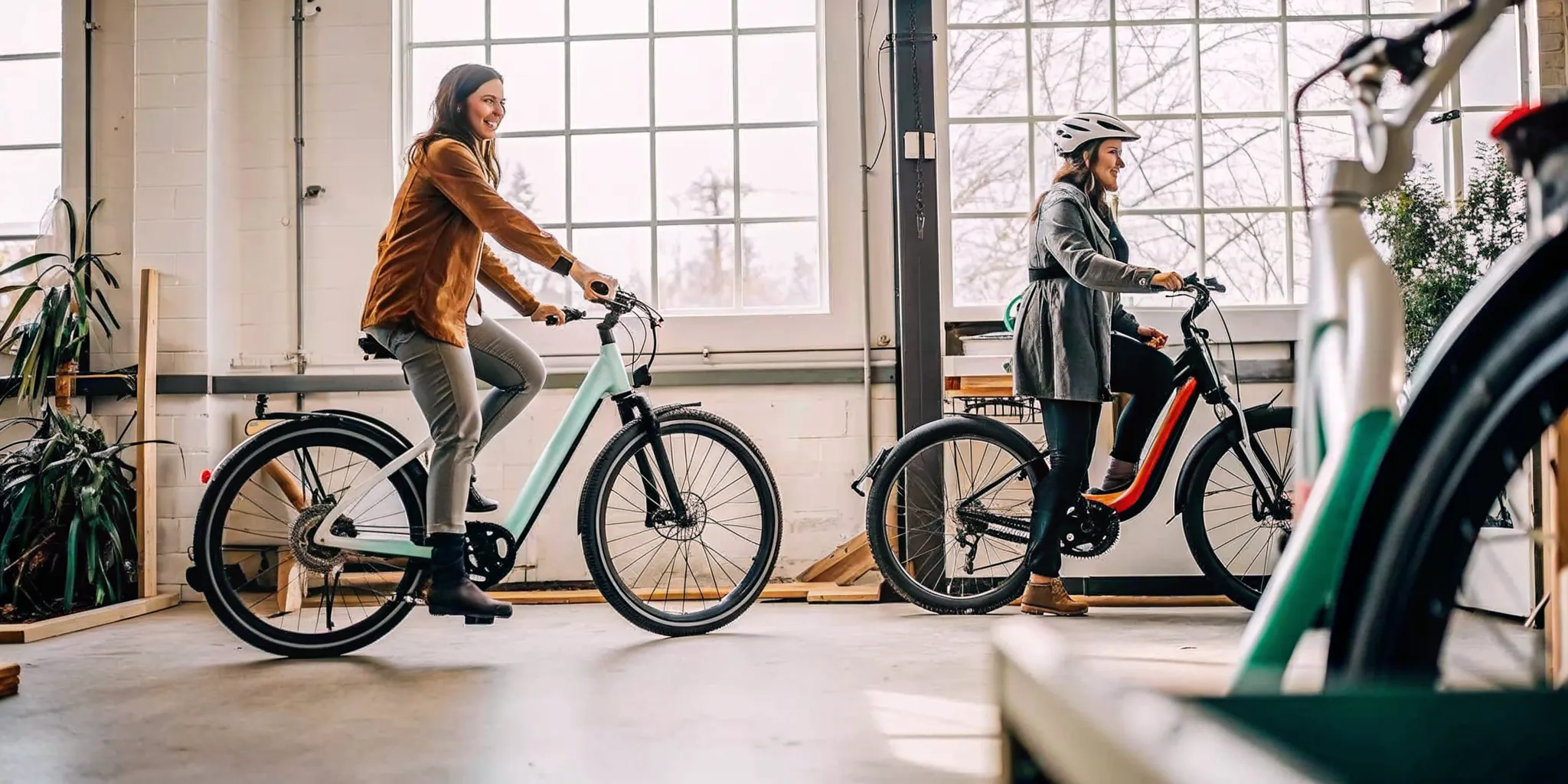
The Segway lineup at Voltaire Cycles
As the premier electric bike shop in Bend, we carry a strong range of high-quality rides. The Segway electric bikes in our showroom are built with this smart tech. When you shop with us, you get to work with local experts who know these systems inside and out.
We help you find the best match for your riding style. You can take hands-on test rides, and we back each sale with our best price guarantee.
Expert support and local service in Bend
Our care for local riders does not end when you buy a bike. We run a full shop to help keep your ride running in top shape for years to come. Our trained mechanics handle all types of local service and repairs for many major brands.
This model gives you peace of mind. Expert help is always nearby when you need a tune-up or a quick fix.
Frequently Asked Questions
How does rider weight or wind affect e-bike torque sensor performance?
A torque sensor measures your exact pedaling effort to decide how much motor help to provide. Based on a study on PubMed Central, smart torque systems adjust power based on other loads like weight, wind, and slope. This ensures you get smooth and steady support whether you are climbing a steep hill or riding on flat ground.
Does an e-bike torque sensor require regular maintenance?
No, the sensor itself is a sealed part that does not need routine care. However, keeping your chain and gears clean and oiled is key to getting the best results. If your pedal help feels rough, we can run a quick tune-up. Our team offers expert electric bike care at our repairs shop in Bend.
Can you add a torque sensor to an existing electric bike?
It is very hard to add a torque sensor to an older e-bike. They need a special frame, a custom bottom bracket, and a matching motor controller to read your effort. For most riders, buying a new e-bike is a much better choice. You can browse our full stock of electric bikes online.
Why do some electric bikes use both torque and cadence sensors?
Using both sensors gives you the best of both worlds. The torque sensor gives you instant power when you push on the pedals, which is great for starting from a stop. At the same time, the cadence sensor helps keep your speed smooth and steady once you are moving. This dual setup improves both comfort and your total battery range.
Ready to Try a Segway Torque-Sensing E-Bike in Bend, OR?
If you wait to try a new electric bike, you will miss out on the best rides of the season and waste gorgeous summer days. Putting off your search means you will spend more time stuck in your car instead of enjoying the scenic bike paths of Central Oregon. Booking a showroom test ride today is the smartest way to feel how a torque-sensing motor gives you smooth, natural pedal help on local hills.
Ready to ride? Book a Segway torque-sensing e-bike test ride at our Bend showroom today. Our helpful local showroom team is here to answer your questions and help you choose the perfect model for your daily needs.