

Torc Sensing Ebike Smooth Pedal Assist: A Natural Ride
If you have ridden an e-bike that surges the moment the pedals turn, you know how different a smooth, natural ride can feel. A torque-sensing system measures how hard you push through the crank and tunes motor assistance to that effort, so the bike supports you instead of pushing you around. Put simply, a torc sensing ebike smooth pedal assist system is why starts, climbs, and pace changes feel more controlled and human-like.
The key idea is straightforward. A torque sensor reads the force you apply to the pedals, and the motor controller turns that signal into proportional power. Push harder to climb or accelerate, and the system offers more support. Ease off before a turn or a stop, and assistance tapers with you. That proportional relationship is what separates a refined pedal-assist ride from a basic on/off motor.
Ready to feel how proportional assistance responds to your own effort? Schedule a test ride at our Bend showroom or a free electric-mobility consultation.
This guide explains how torque sensors measure force, why smooth pedal assist feels natural, how the system performs on hills, and what to compare before you buy. First, let us look at what the sensor is actually measuring.
How Does a Torque Sensor on an E-Bike Measure Pedal Force?
A torque sensor sits at or near the bike's crank, the part that connects the pedals to the drivetrain. Its job is to detect how much twisting force you are putting into the pedals as you ride. The sensor does not simply ask whether the cranks are moving. It measures the effort behind that movement.
Many torque-sensing systems use strain gauges. A strain gauge is a small electrical measuring element that responds when the metal or component carrying it flexes under load. The flex is extremely small and may not be visible to the rider, but it changes the gauge's electrical characteristics. The bike's sensor system interprets that change as a measure of pedal force. Research on e-bike sensing describes strain-gauge designs as a way to study the force applied through the pedal and crank area. This technical thesis explains strain-gauge sensing in an e-bike pedal.
That measurement becomes an electrical signal. The motor controller receives the signal, combines it with information such as the selected assist level and the bike's operating conditions, and tells the motor how much help to provide. When you press harder to start, climb, or accelerate, the system can respond with more assistance. When you ease off, the requested assistance can reduce as well. The basic principle is force in, proportional motor support out, rather than a simple on-or-off trigger. An academic overview of e-bike control describes torque sensing as a way to translate rider-applied pedal force into proportional motor assistance. Read the research overview of torque-based e-bike control.
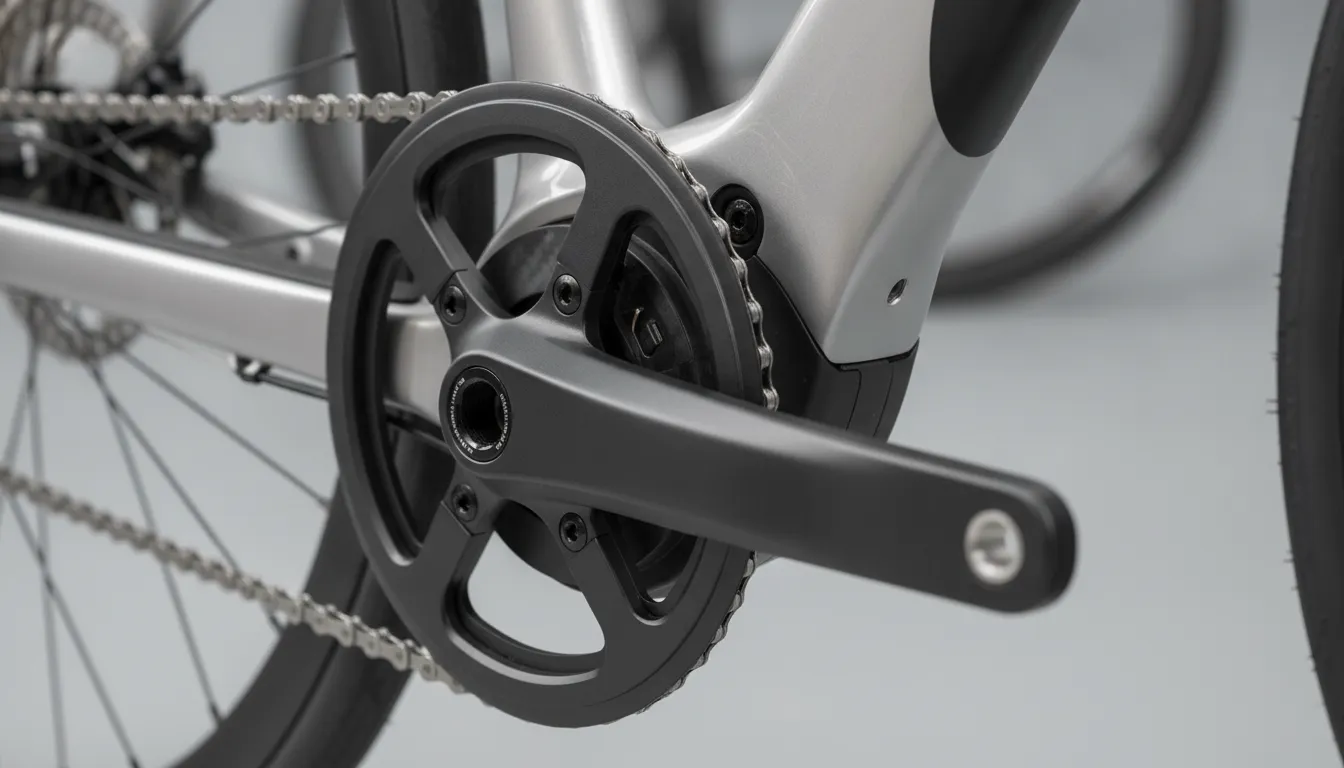
This is different from measuring pedaling speed. A cadence sensor detects how quickly the cranks are turning. If the pedals are rotating, it can signal the motor to assist, even when the rider is applying relatively little pressure. A torque sensor responds to the physical effort itself. That distinction helps explain why a well-tuned torque-sensing e-bike often feels more connected to your own riding intensity.
- Pedal movement: A cadence sensor primarily detects whether and how fast the cranks are turning.
- Pedal effort: A torque sensor estimates how hard you are pushing through the crank.
- Motor response: The controller uses the force signal to adjust assistance in a more proportional way.
For many active adults and retirees, that proportional response creates a natural feel. You still decide how hard to ride, while the motor supports the effort you are already making. The result is not that the bike pedals for you, but that it helps your input go farther with less abrupt power delivery.
What Makes Torque Sensing Different From Cadence Sensing?
The main difference is what each sensor measures before the motor responds. A cadence sensor detects whether, and how quickly, the cranks are turning. A torque sensor detects how much physical effort you are putting into the pedals. That distinction changes the character of the ride, especially when you start, slow down, climb, or ride over changing terrain.
Cadence sensing is often described as an on/off system. Once the pedals rotate, the motor receives a signal to provide the selected level of assistance. Depending on the bike's programming, the response can feel immediate and consistent, but it may also feel less connected to your own effort. The motor can continue providing a similar level of help while you are pedaling lightly or pushing harder. Until the control system detects a change in cadence or assist setting.
Torque sensing responds to the force applied through the crank. Research comparing these systems distinguishes cadence sensors, which measure pedaling speed, from torque sensors, which react to the rider's physical effort through force or strain measurement. This academic comparison of sensor behavior provides useful technical background for shoppers who want to understand the difference.
- Cadence sensing: Measures pedaling speed and generally delivers assistance based on whether the cranks are moving. The result can feel predictable, but sometimes more like a switch.
- Torque sensing: Measures pedal force and adjusts motor assistance in proportion to that effort. A gentle pedal stroke calls for less help, while a stronger push prompts more support.
That proportional response is why torque sensing often feels more natural. You remain part of the power delivery instead of simply triggering the motor. Ease off your effort before a turn, and the bike can feel calmer. Push harder on an incline, and the system can add support without requiring the same abrupt change in controls. Academic research describes torque-based assistance as a way to control motor output in relation to the rider's pedaling torque, helping the motor mimic the rider's changing intensity. The underlying e-bike control research explains that relationship in more detail.
Neither sensor type is automatically right for every rider. Cadence systems can be straightforward and comfortable for people who want steady assistance with minimal effort. Torque systems tend to suit riders who want a responsive, bicycle-like feel, including commuters, active adults, and people who expect to vary their effort throughout a ride. For a closer look at how torque and cadence sensors compare, consider how each response feels during a test ride rather than judging the technology by specifications alone.
How Does an Ebike Deliver Smooth Pedal Assist Proportionally to Your Effort?
With a torque-sensing e-bike, the motor does not simply wait for the cranks to turn and then switch on at a preset level. Instead, the system reads how much force you are applying through the pedals. That signal goes to the motor controller, which uses it to determine how much assistance to provide. More effort generally calls for more support, while lighter pedaling produces a gentler response.
This is the key idea behind proportional assist. The motor works with your input rather than replacing it with a fixed burst of power. Research on e-bike control systems describes torque sensors as a way to translate rider pedal force into motor assistance that can be adjusted to the rider's intensity. The result is a power delivery pattern that tends to feel more like an extension of your own pedaling than a separate machine taking over.
The controller is also able to respond as the riding situation changes. When the road tilts upward, your legs naturally push harder on the pedals. When a headwind increases resistance, you may apply more force to maintain your pace. Because the system is monitoring that physical effort, assistance can adapt to those changing loads in real time. The underlying research specifically identifies slope and wind resistance as conditions that can inform adaptive motor control: read the research on adaptive e-bike motor assistance.
That continuous adjustment creates a smoother power curve. Rather than feeling like an abrupt on-off event, the motor's response can build as your effort builds and ease as your effort eases. This can be especially helpful when starting from a stop, climbing a Bend neighborhood hill, or changing speed on a mixed-use path. You still decide how hard to ride, but the motor reduces the sharpness of the extra work.
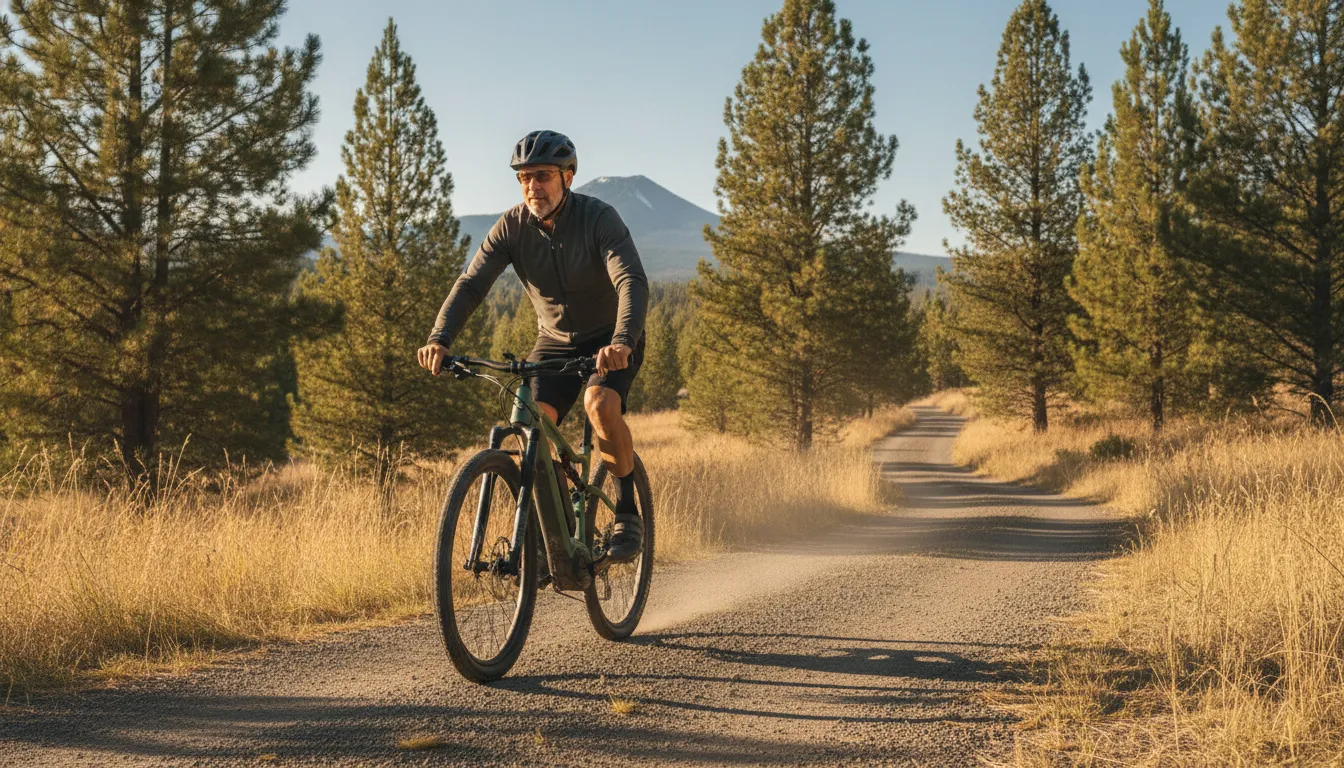
It is useful to think of the relationship as effort in and support out:
- Light pedal pressure produces light assistance, helping you maintain an easy, controlled pace.
- Firm pedal pressure signals that you need more help, so the motor can respond with stronger support.
- Changing terrain or wind changes the effort required, allowing the controller to adjust instead of delivering the same response everywhere.
- Stopping or easing off the pedals reduces the input signal, helping the assistance taper with your effort.
Sensor tuning, motor design, and the bicycle's software still affect how this behavior feels. Two bikes can use torque sensing and respond differently, which is why a test ride matters. For a deeper look at the riding experience, see how torque sensors improve ebike riding.
What Buyers Should Compare in a Torque-Sensing E-Bike
A torque-sensing system is only one part of an e-bike's ride quality. Two bikes can both respond to pedal force yet feel very different because of their motor location, controller programming, battery design, and frame weight. Comparing those details helps you choose a bike that suits your roads, fitness level, and preferred amount of rider effort.
Start by asking where the sensor measures force. Some systems read pressure near the crank or bottom bracket, while others use strain measurement in a pedal or related component. Placement affects how quickly and consistently the system detects your input. Then pay attention to how the motor controller turns that signal into assistance. Good tuning should feel predictable when you start, ease off, climb, and pedal through corners, rather than delivering an abrupt surge.
| What to compare | Why it matters | Questions to ask |
|---|---|---|
| Sensor type and placement | Torque sensors respond to physical pedal effort, while cadence sensors primarily detect whether and how quickly the crank is turning. Placement and calibration influence response time and consistency. | Does assistance react smoothly to light pressure? Is the sensor integrated at the crank, bottom bracket, or another component? |
| Hub-drive or mid-drive motor | A hub motor delivers power at the wheel. A mid-drive motor applies power through the drivetrain, which can make the bike feel more connected to your selected gear and climbing effort. | Will you ride mostly flat streets, steep grades, loose paths, or varied terrain? Does the motor's response match your cadence and gearing? |
| Assist tuning and software | The controller determines how quickly assistance builds, how strongly it responds, and how it tapers when you reduce effort. Software can make the same sensor hardware feel calm or aggressive. | Can assist levels be adjusted? Does the bike start gently, hold a steady output, and stop assisting predictably? |
| Battery range and weight | A larger battery may support longer rides, but battery capacity adds weight. Real-world range also changes with rider weight, hills, wind, temperature, speed, and assist level. | What range should you expect on your usual route, and can you comfortably lift or transport the complete bike? |
| Ride feel and fit | Torque sensing rewards active input and can feel natural for riders who want to participate in the ride. Comfort, saddle position, frame access, tires, and contact points matter just as much. | Does the bike feel stable at low speed? Can you start, stop, turn, and mount comfortably? |
| E-bike class and intended use | E-bike classes are tied to speed and assistance types. Torque-sensing systems are often found in higher-performance models, but the sensor alone does not determine a bike's legal class. | What class is the bike, where can that class be ridden, and does its speed and assistance match your local routes? |
That final point deserves careful attention. North American e-bike regulations categorize models by speed and assistance behavior, and a responsive torque system does not override those limits. Review the manufacturer's specifications and local riding rules before assuming a particular trail or bike path is permitted. The broader regulatory context is summarized in the North American e-bike regulations report.
For a closer look at real options, explore the torque-sensing e-bike models we recommend, then compare those choices with our electric bike collection. If you can visit Bend, a test ride is the most reliable way to judge whether the sensor response, motor delivery, weight, and fit work together for you.
Which Types of E-Bikes Use Torque Sensors?
Torque sensors are most often found on e-bikes designed to make pedaling feel responsive, controlled, and natural. They are a strong fit for higher-performance models, commuter bikes, touring e-bikes. And recreation-focused bikes because these riders often want the motor to respond to how hard they are working, not simply whether the cranks are turning. A torque sensor measures the rider's pedal force and helps the motor provide proportional assistance. Push harder, and the bike can respond with more support. Ease up, and the assistance can taper with you.
That characteristic is especially useful when a ride includes frequent changes in pace or terrain. A commuter may want gentle support while leaving a stop, then stronger assistance on a hill. A touring rider may prefer a steady, predictable contribution over a long route. Someone riding for recreation may want to pedal actively on level ground while having extra help available when the road tilts upward. In each case, the goal is not to replace the rider's effort. It is to make that effort more effective.
Torque sensing also suits riders who care about bike control. Because assistance is tied to physical effort, the power delivery can feel less abrupt than a basic cadence-based system. This can be appealing to active adults, retirees, and newer riders who want support without feeling as though the bike is pulling them forward unexpectedly. It is still important to evaluate the motor tuning, assist settings, bike fit, and riding position, since the sensor is only one part of the complete riding experience.
- Commuter e-bikes: Proportional assistance can make repeated starts, intersections, and rolling hills easier to manage while preserving a familiar pedaling rhythm.
- Touring e-bikes: Smooth support can help riders maintain a comfortable pace as terrain, wind, and fatigue change throughout a longer outing.
- Higher-performance e-bikes: Responsive motor control complements riders who want meaningful input from their legs and a bike that reacts quickly to changes in effort.
- Recreation and trail-oriented e-bikes: Natural-feeling assistance can help on climbs and varied terrain while keeping the rider engaged in the ride.
Remember that e-bike classes are defined by factors such as speed and the type of motor assistance available, not by the presence of a torque sensor alone. A class label can help you understand an e-bike's intended operating limits, but it does not tell you exactly how refined the power delivery will feel. For that, compare the sensor system and controller tuning, then consider a test ride. You can also read more about torque sensing vs throttle power delivery before deciding which type of e-bike matches your daily routes and riding goals.
Why Test Riding a Torque-Sensing E-Bike Matters
Specifications can tell you that an e-bike uses a torque sensor. But they cannot tell you whether its assistance feels right for your body, riding style, or local routes. Two bikes may both respond to pedal pressure while delivering noticeably different power curves. One may feel gentle and predictable when you start from a stop. Another may respond more quickly when you press harder on a hill. That difference is subjective, and a short test ride can reveal it faster than a product comparison chart.
A torque-sensing system is designed to respond to the force you place on the pedals. As your effort increases, the motor can provide more assistance. When you ease up, the support can taper with you. That proportional relationship is the reason many riders describe torque sensing as natural. The bike supports the way they are already riding, instead of feeling like a separate motor that switches on at a preset cadence.
In Bend, a hands-on ride also gives you a chance to evaluate the details that are difficult to judge online. You can notice how smoothly the motor engages, how much pressure is needed to receive support. And whether the bike remains comfortable when the route changes from a flat street to an incline. You can compare seated pedaling with standing effort, try different assist levels, and consider whether the bike's weight and handling suit your balance and daily routine.
- Start-up feel: Does assistance engage calmly when you begin pedaling, or does it feel abrupt?
- Climbing response: Does the motor add useful support when you apply more effort on an incline?
- Control: Can you adjust the assist level easily without losing the comfortable rhythm of your ride?
- Fit and confidence: Do the frame, controls, riding position, and braking response feel manageable for the way you plan to use the bike?
Voltaire Cycles' team can help connect those riding impressions to the technical choices behind them, including motor and sensor systems. That consultation matters for riders who want a relaxed commuter, a capable recreation bike, or support that feels consistent on Central Oregon terrain. It also extends beyond the initial purchase. If you need ongoing care, adjustments, or troubleshooting, Voltaire Cycles provides multi-brand service and repair to help keep your electric bike performing as intended.
If you live near Bend, a test ride is the clearest way to decide whether proportional assistance feels intuitive to you. Customers farther away can still contact the team for guidance on comparing systems and choosing a model that matches their experience, terrain, and goals.
Want to feel the difference for yourself? Schedule a test ride at our Bend showroom or a free consultation and compare torque-sensing comfort on Central Oregon roads.
Frequently Asked Questions
What does a torque sensor mean on an e-bike?
A torque sensor measures how much force you apply to the pedals and uses that signal to help determine motor assistance. Press harder and the system can provide more support; ease off and assistance can decrease. This proportional response is designed to follow your effort rather than operate as a simple on/off switch. An academic review describes torque-based control as a way to reduce the pedaling torque required from the rider while coordinating motor output (academic review of e-bike motor control).
How is torque sensing different from cadence sensing?
A cadence sensor detects that the crank is turning and primarily measures pedaling speed. A torque sensor responds to the physical effort applied to the crank. As a result, cadence systems can feel more like a switch, while torque systems generally deliver assistance that rises and falls with your input. The distinction matters most when starting, climbing, slowing, or navigating changing terrain.
Which types of e-bikes commonly use torque sensors?
Torque sensors are common on e-bikes designed around responsive, natural-feeling performance, including commuter, touring, recreation, and other higher-performance models. The sensor itself does not determine an e-bike's legal class. Class depends on factors such as speed and the type of assistance provided, so compare the complete bike's specifications and intended use before buying.
Are torque-sensing e-bikes a good choice for beginners?
They can be, especially for riders who want assistance to feel predictable and closely connected to their own pedaling. However, the best choice depends on your comfort, terrain, fitness, and preferred riding style. A test ride is useful because motor tuning and sensor calibration affect the experience as much as the presence of a torque sensor.
Ready to Compare Torque-Sensing E-Bikes in Bend?
A hands-on ride is the clearest way to notice how naturally the motor responds to your effort, especially when comparing different sensor systems and assist settings. Visit the Voltaire Cycles of Oregon Bend showroom for a test ride and free electric-mobility consultation, or contact the team to schedule your visit.
Book a test ride or free consultation at our Bend showroom here, and see torque-sensing comfort for yourself.