

Torc Sensing Ebike for Daily Commuting Guide
A reliable commuter e-bike should feel predictable at every stop sign, intersection, hill, and turn. The best setup is not simply the one with the largest battery or highest advertised speed. It is the one that responds naturally to your effort, carries enough charge for the full trip, and remains practical when Bend weather changes.
For many riders, a torc sensing ebike for daily commuting is a strong choice because torque-based assist responds to how hard you pedal. That can make starts and climbs feel smoother, while research has found torque-sensing control well suited to commuting with efficient battery use, especially in stop-and-go traffic. Your real-world range still depends on terrain, rider weight, temperature, and assist level.
Daily reliability also comes from the details around the motor: a realistic round-trip range plan, weather-ready equipment, safe charging habits, and access to knowledgeable service. With those pieces in place, the question becomes whether the smoother ride and efficient assistance fit the way you actually travel.
Browse commuter e-bikes and start planning your daily ride.
Is a Torque-Sensing E-Bike Worth It for Daily Commuting?
For most daily commuters, yes. A torque-sensing e-bike responds to how firmly you pedal, so assistance builds naturally when you start, climb, or accelerate and eases as your effort drops. That can make repeated stops and starts feel controlled instead of abrupt, while helping the motor use power efficiently. The answer is especially compelling when your commute includes traffic lights, hills, changing loads, or a schedule that makes predictable handling more important than maximum speed. Research on electric-bike control systems found that torque-sensitive control was well suited to commuting cyclists because it delivered a smoother ride with minimal battery consumption. Particularly under heavy urban traffic: the academic study behind these findings.
- Smoother starts: The motor follows your pedaling effort, making it easier to pull away from intersections without a sudden surge of power.
- Better stop-and-go efficiency: In dense traffic, the system can limit unnecessary motor output rather than delivering the same assistance every time the cranks turn.
- A more natural ride: You remain engaged with the bike, which is useful when you want assistance without losing the feel of ordinary cycling.
- Useful control on changing terrain: Torque-based assistance can respond as your effort changes on a hill, into a headwind, or while carrying a work bag.
- A practical starting point: Compare commuter-ready options in this guide to torque-sensing e-bikes before choosing a model, battery size, and riding position for your route.
Torque Sensor vs Cadence Sensor for Commuters
Both systems can make a daily commute easier, but they respond to your pedaling differently. That difference matters when traffic, hills, and frequent starts shape your ride.
A torque sensor measures how firmly you press the pedals and adjusts motor assistance to match your effort. A cadence sensor primarily detects that the pedals are turning, then activates assistance at a preset level.
| Feature | Torque Sensor | Cadence Sensor |
|---|---|---|
| Riding feel | Smooth and predictable, with power that follows your effort. | Simple to use, but assistance can feel sudden or surgey. |
| Battery efficiency | Often more efficient because assistance responds to actual pedaling effort. | May use more energy when full assistance activates whenever you pedal. |
| Hills | Builds support as you press harder, helping the bike respond naturally. | Provides a preset boost, regardless of how lightly or firmly you pedal. |
| Traffic | Well suited to stop-and-go riding and changing loads. | Useful for consistent assistance, though starts may feel less gradual. |
Research on cycling-assisted e-bikes found torque-responsive control well suited to commuters, with smooth riding and minimal battery consumption. The same research describes motor output as dependent on human pedaling torque, rather than arriving independently of rider effort. Read the research on torque-responsive e-bike control.
For a commute with repeated intersections or moderate climbs, torque sensing usually feels more intuitive. Cadence sensing can still be practical when you prefer straightforward assistance and a lower purchase price. A test ride is the clearest way to decide which response feels comfortable.
Smooth Pedal Assist Makes Stop-and-Go Traffic Feel Natural
Daily commuting rarely means maintaining one steady pace. You start at an intersection, ease off for a parked car, climb a short grade, and accelerate again. Torque-sensing pedal assist responds to those changes by matching motor support to the effort you are already putting into the pedals.
That response feels more predictable than a sudden motor surge. Because output depends on human pedaling torque, the bike encourages controlled acceleration instead of delivering full assistance before you are ready. A peer-reviewed study found that this cycling-assisted approach supports safer riding behavior than throttle-only control. Read more about torque-sensing e-bikes and how they can fit a daily route.
- More natural starts: Assistance builds as you press the pedals, helping you move away from stop signs with better control.
- Less fatigue: The motor supplies support when traffic, hills, or repeated acceleration increase your workload.
- More efficient support: The study associated torque-sensing control with lower motor torque output and minimal battery consumption.
Those benefits matter most when traffic stays busy. The same research concluded that this control method is well suited to heavy daily urban traffic, where frequent stops and changing loads can quickly become tiring. Smoother assistance can reduce unnecessary output, helping preserve battery energy across the commute. It also lets you arrive with energy for work, errands, or the ride home.
Sizing Battery Range for Your Round-Trip Commute
Start with the distance from home to work, then double it for the daily round trip. Add extra distance for errands, detours, hills, or an occasional longer ride.
Do not choose a battery based on its advertised maximum range alone. Real-world range changes with terrain, rider weight, assist level, tire pressure, wind, and temperature. A route with sustained climbs needs more reserve than a flat, sheltered route.
Torque sensing can help you use available energy efficiently. The system responds to how hard you pedal instead of delivering the same assistance whenever the cranks turn. Research on cycling-assisted e-bikes found that torque-sensing control produced low motor torque output and minimized battery consumption for commuting cyclists. Read the supporting research.
For practical sizing, estimate your round-trip miles and select a battery with comfortable capacity beyond that number. Many commuters aim for enough reserve to complete the route after a cold morning, a windy section, or a higher assist setting. That reserve also reduces the need to charge immediately after every ride.
Compare models in our guide to the best electric commuter e-bike options, then match the battery to your route rather than choosing by capacity alone. The Segway Myon daily commuter is one option to evaluate for regular riding.
At a Bend test ride, pay attention to how much assistance you use on your actual hills. That experience can reveal more than a laboratory range estimate. If your commute is close to the battery limit, consider workplace charging or a larger-capacity configuration.
All-Season Weather Gear for Commuting in Bend
Bend's changing seasons reward a simple, dependable gear setup. Start with full-coverage fenders to keep road spray off your clothes, shoes, and drivetrain.
For rain, pack a breathable waterproof jacket and rain pants. Look for adjustable cuffs, reflective details, and enough room to layer without restricting your movement.
Cold mornings call for a wind-resistant outer layer over breathable insulation. Layering works better than one bulky coat because temperatures can change during a Central Oregon commute.
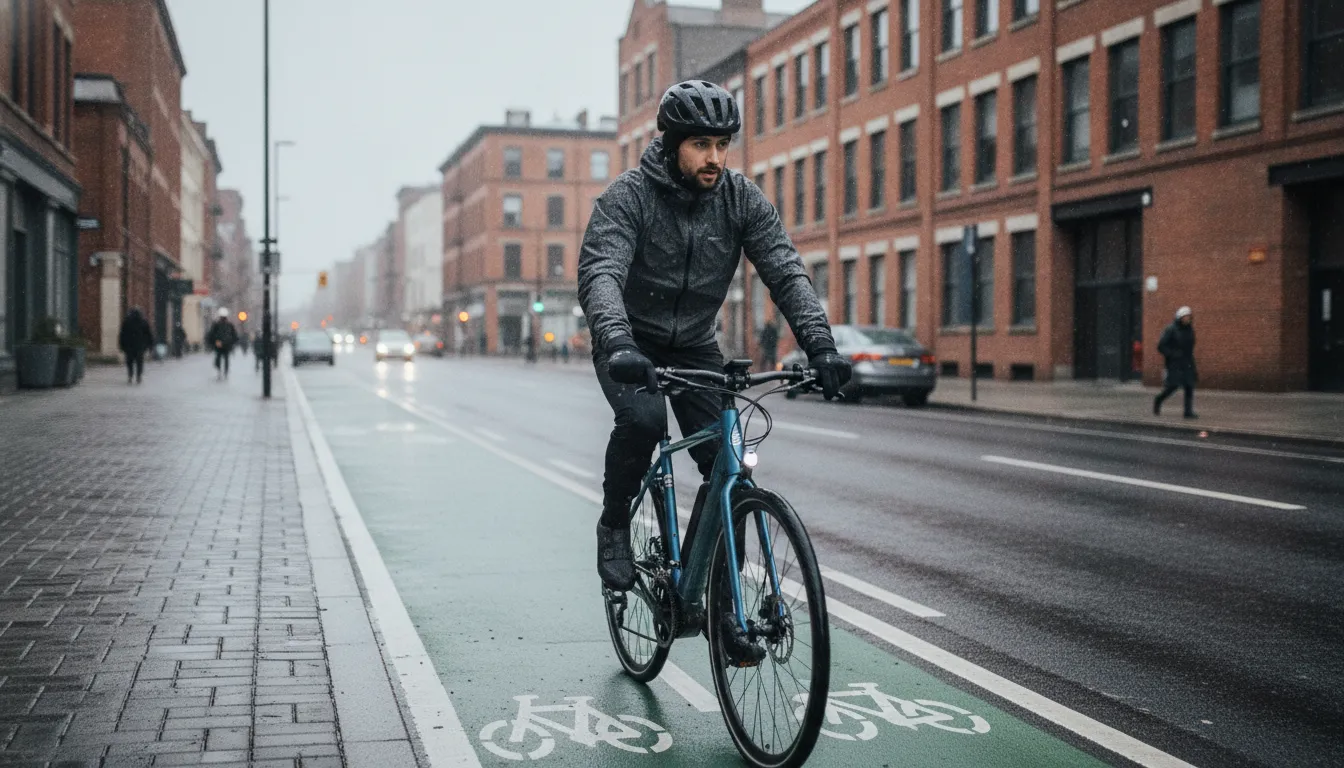
Gloves protect your hands from wind, rain, and chilled brake levers. Choose a pair with enough dexterity to operate controls confidently, plus a warmer option for colder rides.
Bright front and rear lights improve visibility in darkness, rain, and low winter light. Add reflectors or reflective clothing so drivers can recognize your position from multiple angles.
A properly fitted helmet belongs on every ride, regardless of distance or assist level. The CDC recommends a properly fitted bicycle helmet every time you ride.
Keep seasonal details in mind, too. Check tire pressure, wipe down wet components, and bring your bike in for service when grit or moisture becomes routine. For colder conditions, review these winter e-bike riding tips.
Charging Habits That Keep Your Commuter Battery Healthy
For a daily commuter, consistent charging matters more than complicated routines. Use the included charger with a standard household outlet, then place the battery where it can charge dry and undisturbed.
After your commute, recharge the battery when practical. Avoid storing it completely drained, especially if you will not ride for several days. At the same time, do not leave it connected indefinitely after it reaches a full charge. Follow the charger and battery instructions for your specific e-bike.
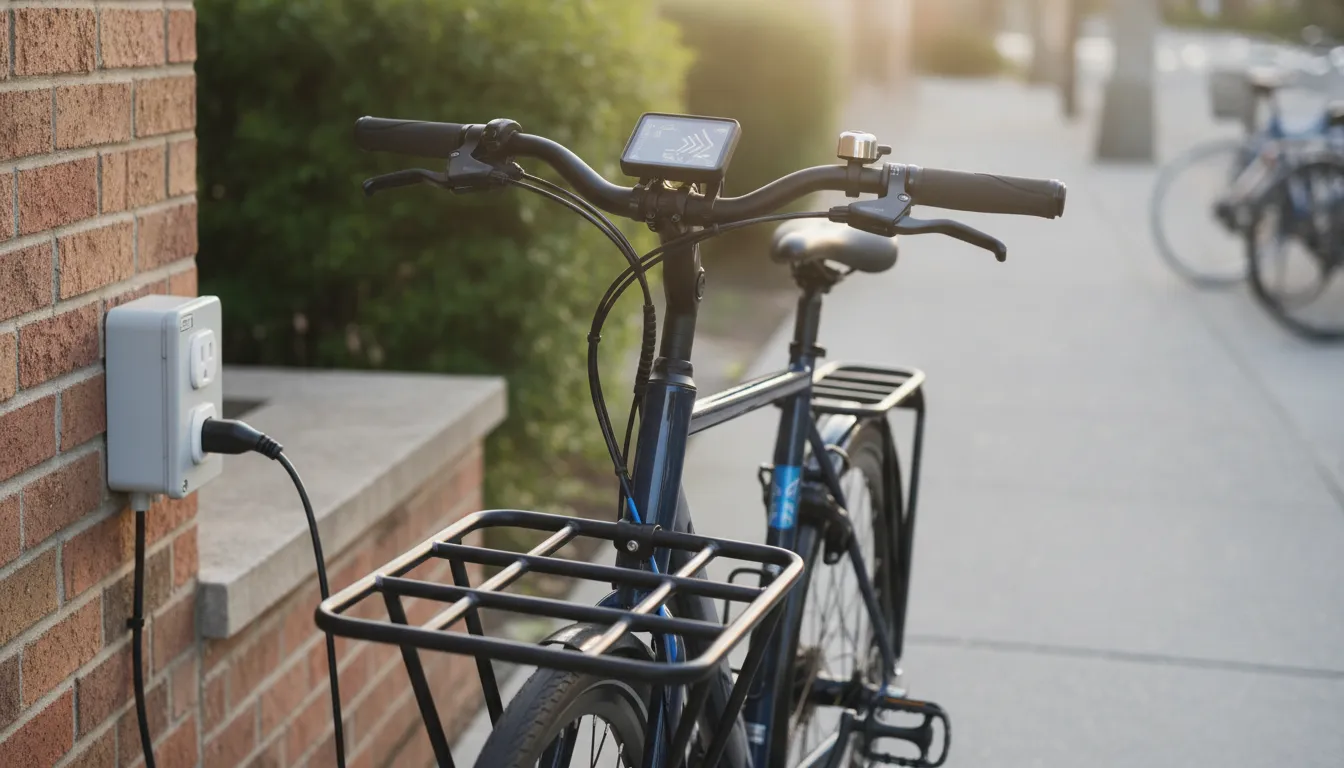
Keep charging equipment away from water, extreme heat, and clutter that could interfere with ventilation. Before charging, check the casing, contacts, and cable for visible damage. Never use a damaged charger or battery.
Mechanical damage deserves particular attention. The CDC and NIOSH warn that lithium-ion batteries can enter thermal runaway after damage from mechanical stress. If a battery has been dropped hard, crushed, punctured, swollen, unusually hot, or involved in a collision, stop using it and ask a qualified technician for guidance. Source: CDC and NIOSH lithium-ion battery safety guidance.
Good charging habits work best alongside routine inspections. Use this e-bike maintenance guide to build a simple checkup routine for tires, brakes, cables, and battery connections.
Test Ride a Torque-Sensing Commuter in Bend
The right commuter e-bike should feel predictable before it becomes part of your daily routine. At Voltaire Cycles of Central Oregon in Bend, you can discuss your route, hills, distance, and riding habits with staff who understand electric mobility.
A hands-on test ride lets you feel how torque-sensing assistance responds when you start from a stop, climb a grade, or accelerate through an intersection. The system should support your effort without feeling abrupt or disconnected. That distinction is difficult to judge from specifications alone, especially if you are new to electric bikes.
Ask to compare commuter models and pay attention to the details that affect everyday comfort. Notice how naturally the motor engages, whether the riding position suits your back and shoulders, and how easy it is to control the bike at low speeds. Bring up your expected cargo, route conditions, and charging routine during the consultation.
Voltaire also offers rentals, giving Bend-area riders a practical way to try an e-bike before committing to a purchase. A rental commute can reveal how the bike handles your actual schedule, not just a short parking-lot loop. That experience may help you choose a model with the right fit, controls, and riding character.
Long-term support matters just as much as the first ride. Voltaire provides multi-brand e-bike service and repairs, including maintenance for daily-use bikes purchased elsewhere. For shoppers ready to compare options, explore Segway commuter e-bikes online or visit the Bend showroom.
Shop commuter e-bikes and find your next daily ride.
Frequently Asked Questions
Which is better, a torque sensor or a cadence sensor?
A torque sensor measures how firmly you pedal and adjusts assistance to match your effort. That usually feels more natural when starting at intersections, climbing, or changing speed in traffic. A cadence sensor responds mainly to crank movement and can provide simpler, more consistent assistance. For commuters who want connected control and smooth stop-and-go riding, torque sensing is often the better fit.
What is the best e-bike for daily commutes?
The best commuter e-bike matches your route, distance, storage needs, riding position, and preferred level of assistance. Look for dependable brakes, practical lighting, comfortable fit, usable range with a reserve, and local service support. A torque-sensing model such as the Segway Myon may suit riders who want pedal assistance that responds naturally during everyday trips. A test ride is the best way to compare fit and control.
How does torque sensing improve daily commuting?
Torque sensing makes assistance respond to your pedaling effort rather than simply detecting that the cranks are turning. The result can feel smoother when you pull away from a stop, manage a hill, or ease off near pedestrians and other traffic. Research on cyclist-generated pedal torque describes this type of control as efficient and well suited to heavy daily urban traffic, including frequent stop-and-go conditions.
Are torque-sensing e-bikes worth it for daily riding?
They can be worth it if you value predictable, natural-feeling assistance and ride often enough to notice the difference. Torque sensing may also help use battery energy efficiently, but actual range still depends on terrain, rider weight, weather, tire pressure, cargo, and assist level. Riders with short, flat trips may be satisfied with a cadence-sensing bike, while hilly or variable commutes often benefit more from torque-responsive assistance.
Ready to Find Your Commuter E-Bike?
A test ride can help you compare pedal-assist feel, fit, and everyday comfort before choosing a commuter setup. Get started with a test ride or a free e-bike consultation at the Voltaire Cycles of Central Oregon showroom in Bend. Explore Segway commuter e-bikes and contact the team to plan your next step.