

Electric Bike Range: Plan Every Ride with Confidence
Electric Bike Range: Plan Every Ride with Confidence
Your electric bike range is not one fixed number. Battery capacity sets the starting point, while hills, wind, assist level, total weight, tire pressure, and riding habits determine how many miles you actually get. Understanding those variables makes it easier to choose the right e-bike and plan Central Oregon rides without range anxiety.
Shop Segway electric mobility options or visit our Bend showroom for practical range guidance and a test ride.
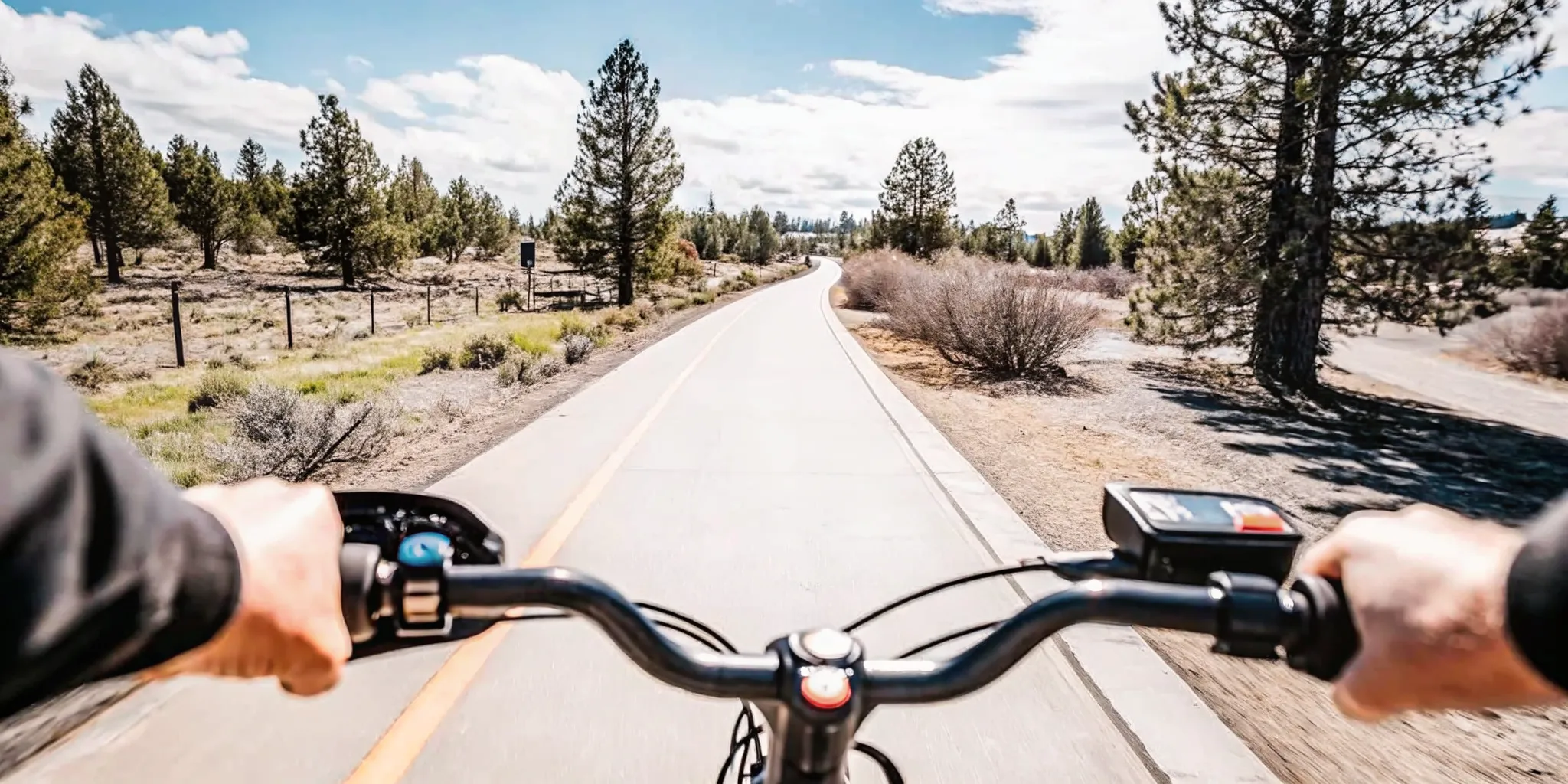
Electric bike range is the distance an e-bike travels on one full charge. Many rides fall within a broad 20-to-60-mile range, but battery capacity, hills, wind, assist level, rider weight, cargo, tire pressure, and temperature can move the real result up or down. Plan around conservative mileage, especially on unfamiliar or hilly routes.
Electric bike range: the practical answer
Most riders want a simple number for their trip planning. While specific models vary, the average electric bike range typically falls between 20 to 60 miles on one charge. This wide span exists because a bike is not like a car with a fixed fuel tank. Instead, your range is a moving target that shifts with every mile you ride. Think of the maker's estimate as a best-case starting point rather than a firm promise for every ride.
To plan well, you should look at your battery size and how you use it. A bigger battery with more Watt-hours will usually carry you further, but your riding style plays a huge role. For example, using high levels of pedal help or a throttle will drain your power much faster than light pedaling. For those who want more detail on power, you can learn about battery capacity to see how it sets your total potential.
Typical range by bike type
The kind of bike you choose often dictates your starting range. Small folding bikes with light batteries might stick to the 20-mile mark. Commuter bikes or road models often hit the 40 to 50-mile sweet spot. Specialized long-range models can even reach 100 miles if they use extra battery packs. Knowing your bike's limits helps you avoid a dead battery before you get home.
Why real-world miles vary
Your actual range depends on factors like your weight, the cargo you carry, and the hills you climb. Steep inclines require more energy from the motor, which can cut your expected range in half compared to flat roads. Studies show that external load conditions, like the grade of the terrain and passenger weight, have a direct impact on how much power your bike consumes. Weather also matters, as cold air can slow down the chemical reaction in your battery and reduce its capacity.
Planning for your rides
To stay safe, it is best to plan your trips around the lower end of your bike's range. If your bike claims 40 miles, assume you have 30 miles for a hilly or windy day. Keeping your tires at the right pressure and using a lower assist level can help you stretch those miles. You should also check on your battery care guide to ensure your bike stays efficient for years to come. By managing these small details, you can ride with confidence and keep your range steady.
How battery size changes your riding range
The size of your battery is the main thing that sets your electric bike range. You can think of it like the gas tank on a car. A big battery lets you ride for a long time without a stop. A small battery is light and easy to carry, but it only works for short trips. Buying a bike with the wrong battery can make your rides less fun. If you want to go far, you must know how to read the labels on your battery pack.
What are Watt hours
A Watt-hour (Wh) measures the total energy in an e-bike pack. Think of it as the size of your fuel tank. Most e-bikes have packs between 300Wh and 750Wh. Recent tests show that tracking these units helps riders plan better trips. To find the Wh, you multiply Volts by Amp-hours. Volts (V) act like the pressure in a pipe that pushes power to the motor. Amp-hours (Ah) act like the tank size. A 48V battery with 14Ah gives you 672Wh. Good tips for caring for your e-bike battery will keep these parts working well for years.
Comparing battery sizes
Choosing the right pack depends on how you plan to ride. A light pack is good for quick trips to the store or city commutes. A heavy pack is best for long days on the trail or hauling gear. If the volts drop too low during a ride, your bike will feel slow and lose its punch. You can see how common sizes compare in the table below. These numbers are estimates, as your own style will change the results.
| Battery Size | Estimated Range | Best Way to Use It |
|---|---|---|
| 500 Watt-hours | 25 to 45 miles | Daily city trips and flat paths |
| 750 Watt-hours | 45 to 65 miles | Long trail rides and hilly areas |
| 1,000+ Watt-hours | 70 to 100 miles | Cargo bikes and multi-day tours |
Factors that change your range
Your range will change based on how you ride. Many people ask if an e-bike can go 100 miles. The answer is yes, but you need a big battery or two packs. Factors like your weight and the wind make a big change. Hills also use the most energy from your pack. If you live in a flat spot, you can get away with a small pack. But if you ride up hills, you will need more Wh to get home. Using mid-drive versus hub-drive systems also helps you save power on steep climbs. Before you go on a long trip, test your bike on a short loop to see how much the battery bar drops. This helps you learn how your bike acts in the real world.
How do terrain and weather affect range?
Your electric bike range is not a set number. It changes based on the world around you. While a motor helps you go far, it has to fight the wind and the pull of the hills. In Central Oregon, our many types of land mean every ride is not the same. Knowing how these things affect your trip helps you keep your battery from going dead far from home.
Steep hills and rough paths
The shape of the land is the biggest thing for your battery. Climbing a hill like Pilot Butte takes a lot of power. The motor must work much harder to move you and the bike up a slope. Studies show that terrain grade and rider weight have a huge effect on power use. If you plan a ride with many steep climbs, expect your range to drop fast.
The type of path also changes how far you can go. Smooth roads have low drag, which is great for long miles. But Central Oregon has many gravel roads and dirt trails. These soft paths make the motor work harder to push forward. If you spend your day on local trails, your bike will use more power than it would on city streets.
Wind speed and air heat
Weather is another force that changes your total miles. A strong headwind is like a hill that you cannot see. It pushes against you and makes the motor use more power to stay at speed. If you often ride in the wind, you might notice your range is shorter on those days. This is common on open roads with few trees to block the breeze.
The heat or cold of the air also matters a lot for your battery. Most e-bike batteries work best in mild weather. Very cold days can make the battery work less well. In the winter, the cold air slows down how the battery works inside. This can cut your range by a large amount. To find a bike built for these shifts, look at our Segway e-bike collection for strong models.
Frequent stops and traffic
How you ride in town affects your battery too. Riding in a city with many stop signs is harder on a bike than a long trail. It takes more power to get a heavy bike moving from a full stop than to keep it at a steady pace. If your daily trip has lots of traffic lights, your battery will drain faster than on a smooth bike path.
You can help your bike by using your gears the right way. Here are some tips to save power in traffic:
- Switch to a low gear before you come to a full stop.
- Start to pedal before you turn on the motor help.
- Keep a steady pace instead of quick bursts of speed.
These small steps make it much easier to start again without using too much power. It also saves wear on your bike. For more help, you can visit our local shop in Bend. Our experts can give you advice on the best bike for your style. By planning for hills and checking the wind, you can get the most out of every charge.
How rider weight and riding style affect range
Your own weight and how you ride are the two biggest factors that change your electric bike range. While battery size gives a baseline, real-world use depends on how much work the motor must do. If you carry more weight or ride with a heavy hand, the battery will drain fast. Knowing how these things work helps you plan better trips.
The impact of total payload
Total weight is the sum of the rider, the bike, and any cargo you carry. Every extra pound means the motor needs more power to keep you moving at a steady speed. Heavier loads put more stress on the battery and the motor. This is why a light rider on a small bike can go much further than a person carrying heavy bags on a cargo bike.
Outer load factors, like how much you weigh and the gear you have, change how much energy the bike uses. Research shows that torque and energy use vary a lot based on rider weight. Hill steepness also plays a role. If you plan to carry extra gear, you should expect to see a shorter total trip.
The weight of the e-bike itself also plays a small role in how much power you need. Heavier frames take more energy to start moving from a full stop. Once you are up to speed, the weight matters less on flat ground, but it still makes a big difference when you climb hills. At our shop, we help you find a bike that fits your weight and your gear needs.
How your riding habits change range
The way you use your pedal help and throttle is a huge factor. Higher levels of help from the motor will draw more power and shorten your range. If you use the throttle alone, you will likely see your battery drop very fast. To get the most distance, you should use the motor to help your legs, not to do all the work for you.
Often stopping and starting in a city setting also cuts down on your total trip. It takes a lot of energy to get a bike moving from zero. You can save power by keeping a steady pace and planning your stops. Modern mid-drive versus hub-drive systems use energy in many ways based on how often you shift gears and use the motor.
Your choice of gear and pedaling speed also matters. If you stay in a high gear while trying to start or climb, the motor must work at its peak limit. This leads to heat and uses more juice. Shifting to a low gear for hills helps the motor stay in a sweet spot. This makes your ride smoother and keeps your battery healthy for a longer time.
Physical factors and drag
Tire pressure is a small but vital detail for your total range. When tires are low, they create more friction with the road and force the motor to work harder. Keeping your tires at the right level cuts this drag and adds miles to your trip. It is one of the simple ways to get more out of your bike.
Wind and speed also play a big part in how far you can go. Riding at top speed adds to air drag and makes the motor use much more power. To save range, you can ride a bit slower and keep your body low. This change in posture can help you go a few miles further on one charge.
- Check your tire pressure before every long ride.
- Use a lower level of motor help on flat roads.
- Shift to lower gears before you start a steep climb.
- Keep your chain clean to reduce drag on the bike.
Talk with Voltaire Cycles of Central Oregon to match battery capacity and bike style to the routes you actually ride.
How to estimate the range you need
Planning your ride starts with knowing how far you can go on a single charge. Most people look at the range on their bike screen and trust it. But that number can change fast when you start your trip. The electric bike range you see is often a best case guess from the maker. To avoid running out of power, you need to find your own real numbers before you leave.
Find your total trip distance
The first thing to find is the total miles for your round trip. Do not just look at the way there. You must count the ride back home too. If you plan to stop at a store or a park, add those extra miles to your list. It is also smart to add a safety gap of about twenty percent. This extra power helps if you take a wrong turn or face a headwind. Having a buffer means you will not have to pedal a heavy bike without any help.
When you map your route, check the ground you will ride on. Smooth roads use less power than dirt or gravel. Studies show that terrain grade and total weight make a big change in how much power your motor needs. If your path is rough, your battery will drain faster than it would on a flat city street.
Account for hills and weight
- Find the total distance. Map out every stop for your whole trip. Use a map app to see the full miles for the ride out and the ride back.
- Look at the hills. Steep roads take much more energy from your bike. If your route has long climbs, plan for your battery to last half as long as usual.
- Check your load. Think about your own weight plus anything you are carrying. Heavy bags or gear make the motor work harder. This drains the battery much faster than a light ride.
- Pick your help level. Decide how much assist you will use. If you stay in a low mode, you will go further. High power modes give you more speed but cut your miles short.
- Plan your stops. If your ride is very long, look for places to plug in. You can use standard household-plug charging at many cafes or parks to get a quick boost.
Plan for your assist settings
How you use your motor is the biggest factor in your total range. If you use the throttle all the time, you will run out of power quickly. Most riders get the best results by using a low pedal assist level for flat areas. Save the high power modes for the steepest hills. This helps you keep your battery fresh for the end of the trip. Good battery health and storage advice will also help your bike hold more charge as it gets older.
Keep in mind that the weather can also change your plans. Cold days can make your battery hold less energy. If the air is very cold, you might lose some of your total range before you even start. Always check the sky and the hills before you set off on a new path.
How can you get more range from every charge?
You want to get the most out of every ride. While battery size is a big part of the story, your own habits also play a large role. By making a few small changes, you can go further on one charge. Here is how you can boost your electric bike range and enjoy longer trips in Central Oregon.
Master your riding style
How you use your motor affects how much power you drain. Start your ride by pedaling first, then add assist slowly. Avoid using the throttle for every start from a stop. Full throttle draws a lot of current and can limit how far you travel. Instead, rely on pedal assist to keep your speed steady.
Keep your speed at a steady level when you can. Riding at very high speeds adds to wind drag. This forces the motor to output more power to keep you moving. By slowing down just a little bit, you can save a lot of power. This is much like how a car gets better gas mileage on the road at a steady speed.
On a mid-drive bike, use your gears just like you would on a normal bike. Shift into a lower gear before you start a climb. This lets the motor spin at a fast and easy rate. It is much better for power use than grinding in a high gear. Choosing the right gear for mid-drive versus hub-drive systems keeps the motor from getting too hot or working too hard.
Proper bike care
A bike that runs well uses less power. Check your tire pressure before every ride. Soft tires have more rolling drag. This means your motor has to work harder to move you forward. Keep your tires at the pressure listed on the side wall to save power and make your ride feel light.
Keep your chain clean and oiled too. A dry or dirty chain creates friction in the drivetrain. This friction wastes power that could have gone toward your range. Lab tests on rider weight and terrain show that outer loads change how much power your bike needs to move. While you cannot always change the hills you climb, you can make sure your bike is ready for them.
Battery storage and health
Where you store your bike matters for your total distance. Cold weather can slow down the power flow inside your battery. This often leads to less range in the winter months. If it is cold outside, bring your battery into your home or a warm shop. Storing it in a dry, indoor spot helps keep its full charge high.
High heat can also be a problem. It can cause the battery to get too warm during use or when you charge it. This may lower your power for a short time. Research into battery power shows that tracking real-time data helps find these issues early. For the best results, stick to a normal schedule for guide to e-bike battery care to keep your ride on the road for many years.
Choosing an e-bike with the right range
Picking a new bike can feel hard when you see so many big claims. Every brand lists a high number for their electric bike range. But how much range do you need for your daily rides? Most people find that their actual miles depend on how and where they ride. It is not just one simple number. You must think about the hills you climb, the wind you face, and even your own weight.
Check real-world range claims
Brands often test bikes in a lab on flat ground with no wind. These tests use a light rider and a slow speed to get the best result. In the real world, your range might be different. Most e-bikes get between 20 to 60 miles on a single charge. If you ride on steep hills, the motor must work much harder. This extra work can cut your likely range in half.
Match battery size to your rides
The size of your battery is the main thing that sets your range. We measure this size in Watt-hours. A bigger battery lets you go further, but it also adds more weight to the bike. Think about your usual path before you buy. Do you ride ten miles to work or fifty miles on the weekend? It is often smart to pick a bike with more range than you think you need. This extra space helps if you hit a strong headwind or carry heavy bags.
How you ride also matters for your total miles. If you use a throttle a lot, the battery will drain fast. Using pedal assist is much better for your battery maintenance guidance. It lets you go more miles with less stress on the motor and the cells. E-bikes with mid-drive motors are often best for range on hills because they use the bike gears.
Use test rides to find your fit
Our team in Bend can help you pick the best model for your needs. We know the local trails and which bikes handle our hills well. We can explain which specs matter most for your own goals. Local help also means you have a place for service and repairs later. This keeps your bike in top shape and ensures you get the best range for many years to come.
Explore Segway options online, then visit the Bend showroom for a test ride and personalized range advice.
Frequently Asked Questions
Does an electric bike battery lose range as it gets older?
Yes. Like the battery in your phone, an e-bike battery wears out over time. Every time you charge and use it, the cells inside age a bit. According to Evelo, the total power the battery can hold will slowly go down after many charges. This means you will not be able to ride as far on one charge after a few years of use.
How do e-bike accessories like panniers affect range?
Adding extra gear can change how your bike moves through the air. Large racks or heavy bags create more drag. This forces the motor to work harder to keep your speed. Experts at Really Good Ebikes note that this extra drag can reduce your total range. This is most true when you ride at high speeds. Keeping your load light and tight to the bike frame is the best way to save power.
Can regenerative braking extend the range of my e-bike?
Some e-bikes can recover a small amount of energy when you slow down. This is called regenerative braking. While it sounds good, it only adds a little bit of power back to your battery. It is most helpful in cities where you stop and start a lot. According to industry data, these systems only stretch your range by a tiny amount. Most riders find that pedaling more is a better way to go far.
Are mid-drive motors more efficient for range than hub motors?
It depends on where you ride. Mid-drive motors are often better for hills because they use the gears of the bike. This lets the motor spin at the best rate to save power. Hub motors are simpler and work well on flat roads. As noted by Ride1Up, choosing the right motor for your paths is key to getting the best range. For hilly areas like Bend, a mid-drive motor is usually the smarter choice for long trips.
Ready to get more miles from your e-bike battery?
Waiting to learn how your battery works can lead to a long walk home with a dead bike when you are far from a plug. Taking time to master these range facts now will help you plan longer trips and keep your e-bike in great shape for many years. You can also check out our guide on battery lifespan and maintenance to save money on costly parts. This small step helps you feel safe and sure of your gear every time you head out for a ride in the fresh air. Knowing your bike is ready for any hill or wind will help you have more fun and get the most from your day.
Ready to find the right ride? Call 541 350 0669 for a free consultation or visit the Bend showroom for a test ride.