

Torc Sensing EBike vs Shimano Steps: Drive Systems
Choosing between a torque-sensing e-bike and Shimano STEPS is less about finding a universal winner and more about matching the drive system to how you ride. Both can deliver smooth pedal assist, but the sensor design, motor placement, frame integration, service support, and your preferred level of effort all shape the experience.
When comparing a torc sensing ebike vs shimano steps, remember that Shimano STEPS is itself a mid-drive system with torque sensing. The more useful question is how each bike responds to your effort, manages power on varied terrain, integrates its components, and can be maintained over time.
For riders around Bend, that distinction matters on changing grades, neighborhood routes, and trails where predictable control feels more useful than simply having maximum output. A hands-on comparison can reveal differences that specifications cannot, starting with how naturally the bike responds to each pedal stroke.
Shop Segway torque-sensing e-bikes or book a free Bend test ride today
What Does a Torque-Sensing E-Bike Actually Feel Like?
A torque-sensing e-bike feels closer to a familiar bicycle than many first-time riders expect. The motor does not simply switch on because the cranks begin turning. Instead, the system responds to how much effort you are putting into the pedals and adjusts assistance to match. Push harder and the bike contributes more. Ease off and the motor output softens with you.
That effort-matched response creates a smooth, intuitive ride. You still choose your cadence, line, and pace, while the motor amplifies the power behind each pedal stroke rather than replacing it. Riders who want a traditional cycling sensation with less strain often prefer this natural feel. For a deeper explanation, see our guide to understanding how torque sensors work.
How does the assist respond when you change effort?
The difference is easiest to notice when the terrain changes. On level pavement, light pressure produces modest support, so the bike can feel composed and efficient. When a hill steepens, you naturally press more firmly, and the system responds with additional power. This gradual relationship between your effort and the motor's output avoids the abrupt sensation some riders associate with basic pedal assistance.
Cadence sensors work differently. They primarily detect whether the pedals are rotating and how quickly, rather than measuring the force applied to them. That can create a more consistent, on/off power delivery. Cadence assistance can be a good fit for relaxed commuting or riders who want help with minimal effort, but it may feel less connected to your pedaling decisions.
Why does torque sensing matter around Bend?
Control becomes especially valuable on Bend's varied terrain. A torque-sensing system can give you measured support as you roll from smooth streets into a climb, change speed on a winding path, or manage uneven trail sections. Because the power responds to your input, you can make smaller adjustments without fighting a sudden surge from the motor. That makes it easier to maintain traction, choose a comfortable line, and conserve energy for a longer ride.
Torque sensing is not automatically the right choice for every rider. The best system depends on whether you want a bike-like connection to your effort or the simplicity of steady assistance. A hands-on comparison at the Voltaire Cycles showroom in Bend lets you feel that distinction directly. The best ride is a real test ride, especially when comparing how each system handles the hills and trails you actually plan to ride.
Inside the Shimano STEPS Drive System
Shimano STEPS takes a familiar bicycle layout and adds a carefully integrated electric drive system. Its motor sits at the crank area rather than in the front or rear wheel, creating a mid-drive design that works through the bike's drivetrain. The system also incorporates a torque sensor, so assistance can respond to how firmly the rider is pressing the pedals. Instead of delivering the same output whenever the cranks turn, it is designed to provide smooth, natural-feeling support that follows the rider's effort.
Why the mid-drive layout matters
Motor placement affects more than appearance. A mid-drive keeps a substantial portion of the bike's weight near the center of the frame, which generally improves balance and handling compared with a rear-hub setup. That centered weight can make the bike feel more predictable when changing direction, climbing, or moving over uneven surfaces. It also helps maintain a more familiar relationship between the rider, the frame, and the wheels.
On trails, centered weight can contribute to better traction and control because the bike is not carrying the motor's mass far behind the rear axle. This matters on varied Central Oregon terrain, where a rider may move from pavement to loose or irregular surfaces in the same outing. The system does not remove the need for good technique, tire choice, or appropriate speed, but its balanced layout can make the bike easier to manage.
Natural assistance through integration
The torque sensor is an important part of the STEPS experience. By reading rider effort, it can help the motor add power in a way that feels connected to the pedal stroke. Riders who already enjoy traditional cycling often appreciate this type of response because the bike still feels like a bicycle first. With assistance that builds from their input rather than arriving as a separate on-off event.
That integration also gives the system a refined feel across changing conditions. More effort on a climb can bring more support, while lighter effort on level ground can feel less forceful. The result is not identical for every rider or every STEPS-equipped bicycle, since settings, gearing, frame design, and riding mode all matter. Still, the mid-drive and torque-sensor combination explains why Shimano STEPS is frequently considered a high-quality standard for electric bicycle drive systems.
Reliability is part of the ownership decision
For riders planning to keep an e-bike for years or travel with it, long-term support deserves as much attention as the initial ride feel. Shimano STEPS is often favored for reliability and manufacturer support, and its drive units are widely supported by service centers across the country. Local service remains valuable, especially for inspection, maintenance, and diagnosis before a small issue affects a larger ride. Voltaire Cycles provides certified service and repairs for riders who want support beyond the sale.
Shimano STEPS vs a Torque-Sensing E-Bike: What Really Differs
The comparison is not quite one system versus another. Shimano STEPS is a branded mid-drive platform that includes torque sensing, while a torque-sensing e-bike may use a different motor position, controller, battery, and service network. In other words, a Shimano STEPS bike is torque-sensing, but not every torque-sensing e-bike is Shimano STEPS. That distinction matters when you are comparing ride feel, frame balance, and support after the sale.
| Aspect | Shimano STEPS | Torque-Sensing E-Bike |
|---|---|---|
| Power delivery | Mid-drive assist responds smoothly to rider effort. | Power varies with pedal force; response depends on the motor and controller. |
| Natural feel | Torque sensing provides seamless, bike-like assistance. | Usually intuitive and responsive, especially when calibrated well. |
| Integration and weight | Centered mid-drive weight supports balance and handling. | Varies by design; mid-drive models center weight, hub motors do not. |
| Reliability | Established system with manufacturer support. | Depends on brand quality, components, and local service access. |
| Maintenance and support | Specialized service may be available through supported centers. | Support varies; confirm technician access and parts availability. |
Power delivery and control
Both options can feel more natural than a basic cadence-only system because the motor reacts to how hard you are pedaling. Torque-sensing systems dynamically match assistance to rider effort, rather than simply delivering power whenever the cranks rotate. That helps the bike feel predictable when starting, climbing, or adjusting speed on changing terrain. You can read more about understanding how torque sensors work before comparing specific models.
Shimano STEPS combines that responsive sensor input with a mid-drive motor. Because the motor weight is positioned near the center of the bicycle, the result can feel balanced and controlled, particularly on hills and trails. A generic torque-sensing e-bike may offer a similarly connected pedal feel. But its handling depends on whether it uses a mid-drive or a hub motor, along with its frame design and tuning.
Integration, reliability, and support
Shimano STEPS is designed as an integrated drive system, and it is often selected by riders who value long-term reliability and manufacturer support. A different torque-sensing e-bike is not automatically less dependable, but the brand's parts supply, diagnostics, warranty process, and technician network deserve equal attention. Ask who can service the motor and sensor before treating a lower purchase price as a lower total cost.
For riders in Bend, local support is part of the comparison. Certified technicians can help maintain the motor assembly and sensor system, troubleshoot performance, and keep the bike useful beyond the initial purchase. The best choice is the one whose power delivery suits your riding and whose support structure you can realistically use. A hands-on comparison at the Voltaire Cycles showroom is often more revealing than a specification sheet.
Reliability and Maintenance: Which System Stays on the Road?
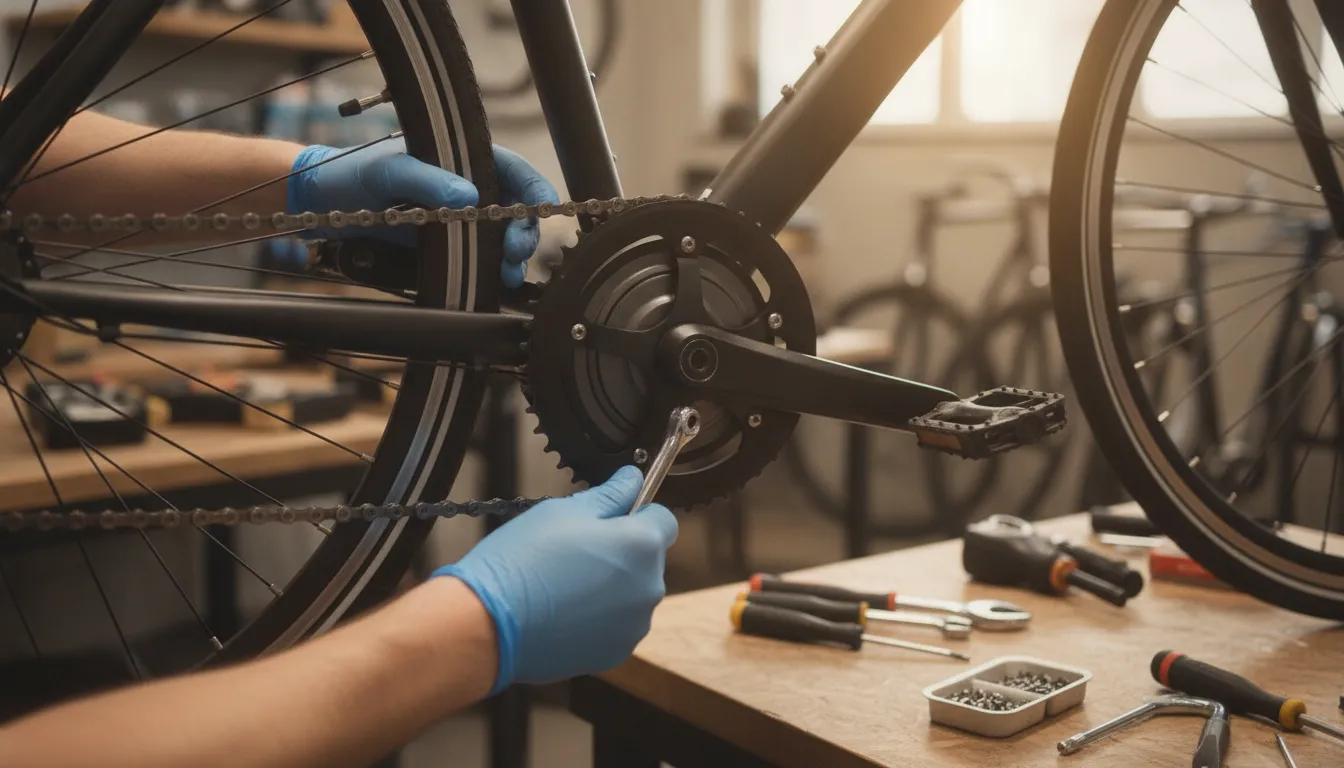
Reliability depends on more than the label on the motor. A torque-sensing e-bike and a Shimano STEPS-equipped bike can both deliver dependable assistance when the drive system is correctly set up. Regularly inspected, and supported with the right parts and diagnostic knowledge. Shimano STEPS is often chosen by riders who value long-term reliability and manufacturer support. Its mid-drive design also keeps motor weight centered, which can contribute to balanced handling on varied roads and trails.
What needs attention over time?
Torque-sensing systems rely on precise communication between the sensor, motor assembly, battery, controls, and drivetrain. The sensor reads the rider's effort and helps determine how much assistance to provide. That means proper maintenance of the torque sensor and motor assembly is important for long-term reliability. A technician may also inspect connections, firmware or system diagnostics where applicable, drivetrain wear, brake performance, and fasteners. Keeping the mechanical parts adjusted matters because a worn chain or poorly shifting drivetrain can affect the ride even when the electronics are operating normally.
Shimano STEPS adds the same need for thoughtful service to a highly integrated mid-drive platform. The system's consistent power delivery and broad service-center support can be valuable for riders who travel. But support is still most useful when a qualified technician can evaluate the complete bicycle rather than treating the motor as an isolated component. Regular checks can identify small issues before they become an expensive interruption.
Why local service changes the ownership experience
Online specifications cannot tell you how a particular system is behaving under load, on a hill, or after months of use. Voltaire Cycles provides local consultation, hands-on evaluation, and service support for high-performance electric drive systems. Our certified technicians help keep your investment supported long after the sale, whether you ride a torque-sensing model or a Shimano STEPS bike. Visit the certified service and repairs team in Bend for qualified help with inspection, troubleshooting, and ongoing maintenance.
For either system, the practical reliability question is simple: can you access knowledgeable support when you need it? A well-maintained motor and torque sensor, combined with a service resource you can visit, helps keep your e-bike ready for everyday rides and Central Oregon adventures.
Which Torque-Sensing E-Bike Should You Choose in Bend?
The right choice depends less on a label and more on how you expect the bike to respond beneath you. A torque-sensing system can feel especially natural because it matches motor assistance to your pedaling effort. That response is useful when a route changes from a flat neighborhood street to a climb, a rougher trail, or a stop-and-start section of town.
- Assess your riding style. Decide whether you want a bike-like feeling that rewards active pedaling or a more relaxed ride with consistent assistance. Torque sensing is generally the better fit for riders who want the motor to respond to their effort. While cadence-based assistance can suit riders who prefer simple, steady power with less emphasis on how hard they pedal. Think about your typical distance, pace, comfort level, and whether you want the ride to feel like cycling with a boost or transportation with minimal exertion.
- Consider Bend's varied terrain. Central Oregon riding can include paved streets, rolling routes, hills, and trail approaches. Responsive power delivery gives you more control when your effort changes. And torque-sensing systems can be helpful on varied or technical terrain because assistance follows your input more closely. If you regularly ride hills or want to maintain a composed feel on changing surfaces. Pay attention to how smoothly the motor responds when you increase pressure on the pedals.
- Narrow the field to torque-sensing models. Once you know that natural control and active pedaling matter to you, review the available Segway torque-sensing e-bikes alongside the broader electric bike collection. Compare frame fit, intended use, motor placement, battery needs, and the kind of support available after purchase. A model with a strong drive system is only a good choice if it also suits your body, routes, and riding goals.
- Test-ride before deciding. A showroom ride lets you feel the difference between gradual, effort-matched assistance and more consistent motor engagement. Try starting from a stop, climbing at a comfortable pace, easing off the pedals, and making a few turns. Voltaire Cycles in Bend can help you compare systems hands-on and answer practical questions without steering you toward a preset answer. The best ride is a real test ride, so visit the showroom and choose the response that feels confident and natural.
Browse the Segway collection and schedule your Bend test ride today
Frequently Asked Questions
What is the difference between a torque sensor and a cadence sensor?
A torque sensor responds to how firmly you are pushing the pedals, so motor assistance rises and falls with your effort. That creates a more natural, bike-like feel and more precise control. A cadence sensor primarily detects pedal rotation and can deliver steadier assistance with less attention to how hard you are pedaling.
Is Shimano STEPS a torque-sensing system?
Yes. Shimano STEPS drive units are mid-drive systems that use torque sensing to provide smooth, natural-feeling assistance. Their centered motor position can also support balanced handling, especially compared with a rear-hub arrangement. The specific ride depends on the bicycle, assist settings, gearing, and how the system is maintained.
Are torque-sensing e-bikes better than cadence-sensing e-bikes?
Neither is automatically better for every rider. Torque sensing suits people who want an engaged cycling feel, responsive power on hills, and control on varied terrain. Cadence sensing can be a practical choice for relaxed commuting or riders who want consistent assistance without much pedaling effort. Your preferred effort level matters as much as the sensor type.
Is a torque sensor worth it for a first e-bike?
It can be, particularly if you already enjoy traditional cycling or expect to ride Bend's hills and mixed terrain. The most useful comparison is hands-on: try different assist systems and notice how quickly each responds when you start, climb, slow, and accelerate. Voltaire Cycles' Bend showroom lets first-time buyers evaluate that feel before choosing.
What maintenance does a torque-sensing e-bike need?
The sensor, motor assembly, drivetrain, brakes, tires, and electrical connections all deserve regular inspection. Follow the manufacturer's service guidance and address changes in power delivery or unusual noises early. Professional technicians can help protect long-term reliability, particularly when the drive system requires brand-specific diagnostics or support.
Ready to compare the ride in person?
A test ride can make the differences in power delivery, control, and natural pedal feel easier to judge than specifications alone. Visit the Bend showroom for a free consultation, or shop Segway torque-sensing e-bikes online. The Voltaire Cycles team can help you narrow the options around your riding goals and answer questions about ongoing support.