
Fastest High Power Electric Bike: A Practical Comparison
Fastest High Power Electric Bike: A Practical Comparison
"Fastest" can describe more than a speedometer reading. For a high-output electric bike, acceleration, peak power, torque, power-to-weight, suspension, braking, and the terrain you plan to ride all shape the experience. That matters when comparing a pedal-equipped off-road bike with an electric dirt bike such as the Segway Xaber 300.
The fastest high power electric bike for you is the one whose published performance, control equipment, intended use, and legal classification match your riding. It is not necessarily the one with the biggest headline number.
Compare high-powered electric bikes and off-road options at Voltaire Cycles
We will compare those factors alongside documented Segway performance figures, then separate manufacturer claims from Oregon class rules and liability questions. Start by defining what "fastest" should mean for your route, terrain, and expectations.
What Does the Fastest High Power Electric Bike Actually Mean?
The fastest high power electric bike is not defined by one number. It may be the model with the highest top speed, quickest acceleration, greatest peak motor output, strongest torque, or best power-to-weight ratio for a specific trail. Battery capacity, controller limits, tires, suspension, brakes, rider weight, and terrain all shape the result. The right comparison starts by identifying which kind of performance you actually need.
Top speed is the easiest metric to understand, but it is only one part of the picture. Acceleration describes how quickly the vehicle builds speed from a stop or responds when climbing. Peak power describes a short-duration maximum under particular conditions, while torque helps explain low-speed pull and hill-climbing response. Neither figure automatically predicts continuous performance in real riding.
Power-to-weight ratio can be especially useful when comparing high-output machines. A lighter vehicle with strong motor output may feel more immediate than a heavier vehicle with a larger peak-wattage claim. Still, the complete system matters. The motor, controller, battery, frame, fork, suspension, tires, brakes, and rider position must work together for predictable handling.
Terrain also changes the meaning of fastest. A vehicle that performs strongly on a wide, open off-road route may not be the best fit for tight singletrack, pavement, steep loose climbs, or everyday commuting. Riders should compare the manufacturer's published peak or maximum specifications with the intended environment, rather than treating a headline number as a universal road-performance promise.
Category boundaries matter, too. A pedal-equipped electric bike, an e-moto, and an electric dirt bike can look similar while serving different purposes and carrying different classification questions. An e-bike comparison should not quietly treat every high-output vehicle as an ordinary classed bicycle.
For a broader starting point, browse high-powered off-road electric bikes and the Segway electric bikes and vehicles collection. Then verify the current product specifications and intended use before choosing.
Which High-Output Electric Bikes Deserve a Serious Comparison?
Short answer: A meaningful comparison separates published peak output from usable performance and separates an off-road electric bike from a classed commuter e-bike. The Segway Xyber has a documented performance specification set that can be compared directly. The Segway Xaber 300 belongs in the discussion as an electric dirt bike, but its unverified figures should not be filled in by guesswork.
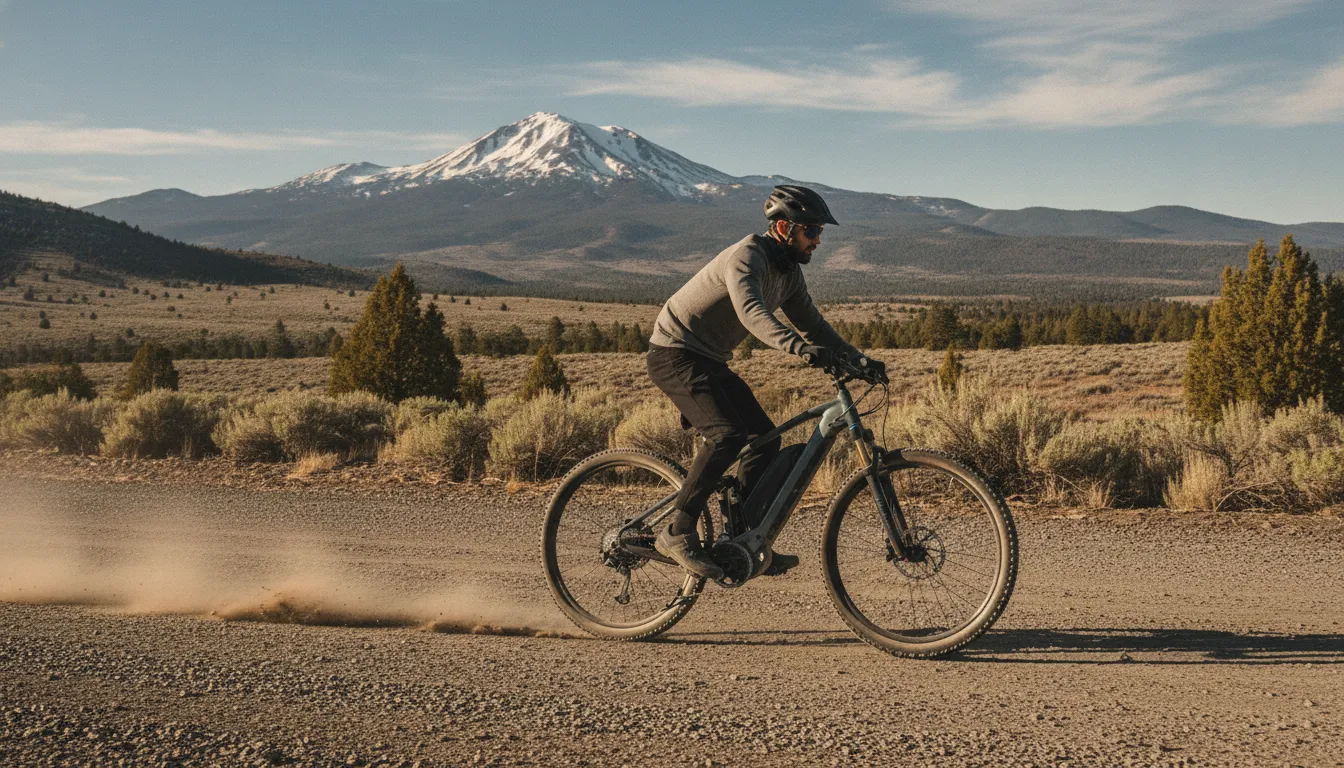
Start with the Segway Xyber electric bike when you want a documented high-output reference point. Its product information lists 6,000W peak power, 175 Nm of peak torque, and 0-20 mph acceleration in 2.7 seconds. With dual batteries, the published maximum range is up to 112 miles. Those are peak or maximum product-page figures, not a promise of continuous output or real-world range on every route.
| Model and category | Published output or performance | Best comparison use | Important caveat |
|---|---|---|---|
| Segway Xyber, off-road/adventure e-bike | 6,000W peak; 175 Nm peak torque; 0-20 mph in 2.7 seconds; up to 112 miles with dual batteries | Acceleration, torque, range, and trail-oriented capability | Peak and maximum published figures. Confirm current setup and intended access. |
| Segway Xaber 300, electric dirt bike | Documented as having a best-in-class power-to-weight ratio | Off-road handling and dirt-bike format | Do not assume speed, watts, torque, class, legality, price, or availability |
The broader Segway electric bikes and vehicles collection is useful for checking how these models sit alongside other formats. You can also compare Segway electric bike models for a wider look at product intent. But keep the comparison honest: a dirt bike and an e-bike may share electric propulsion without sharing the same classification, equipment expectations, or riding environment.
That distinction matters more than a single "fastest" label. If your priority is rapid acceleration and high torque for off-road adventure, the Xyber provides the clearest documented benchmark here. If your priority is a dirt-bike platform and power-to-weight, the Xaber 300 deserves evaluation without unsupported numbers. Before purchase, confirm the current product page, ask where the vehicle may be ridden, and match the platform to your terrain and experience.
How Do Speed, Power, and Acceleration Differ on the Fastest High Power Electric Bike?
Direct answer: Speed is the maximum pace a vehicle can reach, while acceleration describes how quickly it gets there. Power and torque influence that response, but the battery, controller, gearing, rider weight, tires, terrain, and temperature also matter. That is why the fastest high power electric bike cannot be chosen by wattage alone.
Peak power is a short-duration output figure, usually produced under favorable battery and controller conditions. Nominal power is closer to a sustained rating, although manufacturers do not always measure or publish these figures in the same way. Treat a large peak-watt number as an indicator of potential, not a promise of continuous speed on a road or trail.
Torque is the twisting force that helps a bike launch, climb, and respond when the surface or load changes. A rider may feel strong torque as immediate pull from a stop. Acceleration also depends on how that torque is delivered through the controller, motor, gearing, battery voltage, and current limits. A heavier rider, soft tire, steep grade, loose gravel, or cold battery can all reduce real-world response.
Controls change the experience as well. A throttle can deliver motor assistance without pedaling, while pedal assist responds to rider input through a cadence or torque sensor. Torque sensing generally feels more proportional because the motor reacts to how hard you push. Compare the differences in torque sensing versus throttle and torque-sensing pedal assist before deciding which response suits your riding.
Published figures can still be useful when labeled correctly. For example, the Segway Xyber is documented with 6,000W peak power, 175 Nm peak torque, and 0-20 mph acceleration in 2.7 seconds. Those are product-page peak or maximum claims, not a guarantee of the same result for every rider, route, or temperature. Compare the complete system and intended terrain, then test the vehicle in conditions that resemble how you plan to use it.
What Equipment Keeps a High-Power Electric Bike Controllable?
Direct answer: Control comes from a complete system, not motor output alone. Strong brakes, correctly sized rotors and fresh pads, predictable tires, capable suspension, a stiff frame and fork. Managed battery heat, and visible lighting all help a rider slow, steer, and respond. Regular inspection matters as performance and vehicle weight increase.
Braking deserves the first close look. Hydraulic or well-adjusted mechanical brakes should match the bike's loaded weight and intended terrain. Rotors provide the braking surface, while pads create friction, so worn pads, contaminated rotors, or heat buildup can reduce consistency. Stopping distance also changes with tire grip, loose gravel, wet pavement, slope, rider technique, and cargo. The CPSC identifies brakes, wheels, tires, and drive systems among bicycle components addressed by performance requirements, including stopping-distance topics. That general safety context is not a substitute for checking a specific model.
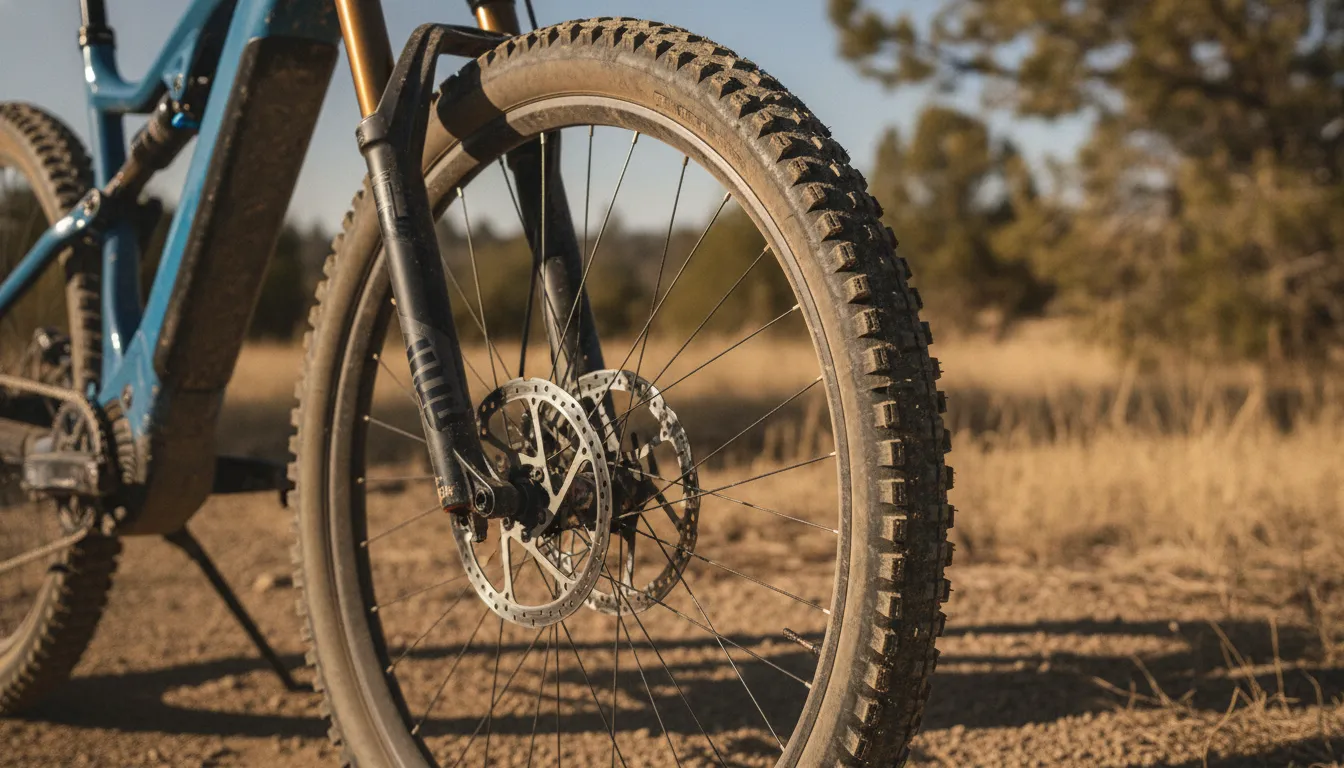
Tires are the contact point with the ground. Choose a tread and casing suited to the surface, then maintain pressure according to the manufacturer's guidance. Suspension helps keep the tires tracking across rough terrain, but it cannot compensate for an underbuilt frame, fork, wheel, or axle. Frame and fork strength matter because acceleration, braking, rider weight, and rough landings place loads through the entire chassis. The CPSC report separately identifies front-fork and frame strength testing as safety topics.
Battery and controller heat also deserve attention during repeated high-load riding. Let the system cool as directed, inspect connectors and wiring, and stop if you notice unusual heat, damage, or performance changes. Visibility is part of control too: lamps and reflectors help other trail and road users see you, especially in changing Central Oregon conditions.
A documented inspection routine is a practical advantage. Before riding, check brake lever feel, pad and rotor condition, tire pressure, fasteners, suspension response, battery seating, and lights. For setup, diagnostics, or electric bike repair in Bend, use a qualified service team rather than treating high output as permission to skip maintenance.
What Are the Oregon Class, Road, and Liability Considerations?
In Oregon, Class 1 pedal assist stops at 20 mph, and Class 2 motor propulsion without pedaling stops at 20 mph. Class 3 pedal assist stops at 28 mph and requires a speedometer. Operators must be at least 16, electric-assisted bicycles may not use sidewalks, and approved lighting is required in limited visibility. A dirt-bike-style vehicle may require separate classification review.
These definitions matter because the fastest high power electric bike is not automatically a Class 1, 2, or 3 electric-assisted bicycle. Motor output, throttle operation, pedals, top assisted speed, equipment, and the vehicle's intended design all affect the review. The Oregon DMV's current definitions and operating notes are available in its electric-assisted bicycle guide.
- Identify the vehicle category. Start with the manufacturer's documentation. Confirm whether the model is presented as a conventional electric-assisted bicycle, an off-road vehicle, an electric motorcycle, or an electric dirt bike. Do not assume that pedals alone determine the legal category.
- Compare the controls and speed limits with Oregon's classes. Class 1 provides assistance only while pedaling and ceases at 20 mph. Class 2 can propel the vehicle without pedaling and ceases at 20 mph. Class 3 provides pedal assistance to 28 mph and must have a speedometer. These are classification descriptions, not a promise that a particular high-output model qualifies.
- Check the rider and route rules. Oregon's guide says operators must be at least 16 and that electric-assisted bicycles may not operate on sidewalks. Road, bike-lane, trail, and local access rules can differ, so check the rules for the exact route and land manager before riding.
- Confirm visibility equipment. Approved lighting must be used when operating under limited visibility. Review the vehicle's lamps, reflectors, and other required equipment before an early, late, shaded, or otherwise low-visibility ride.
- Review responsibility before purchase or modification. Ask what classification, registration or insurance questions, equipment requirements, and local restrictions apply to the specific vehicle. A model such as the Segway Xaber 300 should not be labeled street legal or assigned an Oregon e-bike class without authoritative documentation. For a careful fit assessment, consult a qualified local retailer or the relevant Oregon agency rather than relying on a marketing label.
This is general information, not legal advice. Classification can change with configuration, modifications, jurisdiction, and use. Keep the official Oregon source and current local rules in your decision file, especially when comparing a classed e-bike with a dirt-bike-style vehicle intended primarily for private property or off-road riding.
How Should Bend Riders Test and Choose a High-Power Model?
Choose by matching the vehicle to your terrain, riding position, experience, and support needs rather than chasing a headline number. A Bend test ride can reveal whether the acceleration, braking, suspension, controls, and fit feel manageable on the surfaces you actually ride. Confirm the model's current specifications and intended use before buying.
Start with the ride itself. Tell the staff whether you expect pavement, gravel, forest roads, steep grades, trails, hunting access, or mixed Central Oregon terrain. Bring the riding posture and footwear you normally use, then check reach to the controls, visibility, starting behavior, turning response, and how confidently you can slow down. A high-power model that feels impressive in a straight line may be tiring or difficult to control on loose ground.
Ask what the published figures mean and which are peak or maximum values. Review battery placement, charging, tire choice, suspension adjustment, brake feel, rider-weight limits, and the difference between an electric bicycle and a dirt-bike-style vehicle. The goal is a setup that fits your actual use, not simply the fastest high power electric bike listed on a product page.
Voltaire Cycles combines a Bend showroom and online shopping with technical consultation, setup, inspection, and certified service across more than 15 manufacturers. That support matters after the sale: technicians can help with diagnostics, battery and motor work, controller programming, mechanical service, software updates, and test-ride verification. For ongoing maintenance, see electric bike repair in Bend. You can also compare Segway electric bike models before narrowing your choice.
Book an electric bike consultation with Voltaire Cycles
Frequently Asked Questions
Is 28 mph fast for an electric bike?
Yes. Twenty-eight mph is a high assisted speed, especially on open pavement. The practical benefit depends on stopping distance, tire grip, visibility, rider control, and the riding surface. Higher speed also makes component condition and riding technique more important.
Can an e-bike reach 28 mph using the throttle alone?
A motorized two-wheeler can reach 28 mph by throttle alone, but that does not make it a Class 3 electric-assisted bicycle. In Oregon, Class 2 motor propulsion ends at 20 mph, while Class 3 is pedal assist that ends at 28 mph and requires a speedometer. Check classification and access rules before riding on public roads or paths. Oregon DMV guidance
Do fast electric bikes need hydraulic disc brakes?
Hydraulic disc brakes are not universally required, but they can provide strong braking with less hand effort and more precise control. Stopping performance also depends on rotor size, pad condition, tire traction, surface, total loaded weight, and rider technique. Evaluate the complete braking system rather than the brake type alone.
Should I choose a fast fat-tire e-bike or a city e-bike?
Choose a city e-bike for efficient pavement riding and a fat-tire model for a more planted feel on gravel, dirt, grass, sand, or broken pavement. A larger motor does not automatically make a bike faster. Match the tires, suspension, comfort, and handling to your actual terrain and typical trip length.
Ready to Compare High-Power Electric Bikes?
The right model depends on how you plan to ride, where you can use it, and which performance details matter most to you. Compare high-power options online or get practical guidance before choosing a Segway or another electric mobility vehicle. To get started, request a Voltaire electric bike consultation and bring your questions about fit, performance, and intended use.