

Fastest Electric Scooter: A Safer Performance Guide
Shopping for a fast electric scooter is not simply a search for the highest number on a specification sheet. A useful choice must also accelerate predictably, remain stable over the surfaces you ride, stop with confidence, and fit your experience, route, and local rules.
The fastest electric scooter for you is the one whose speed you can control safely in real conditions, with adequate braking, tires, suspension, visibility, and range for your ride. Manufacturer top-speed figures are reference points, not universal street recommendations, and performance changes with rider weight, terrain, wind, temperature, battery charge, and surface.
That makes responsible comparison more useful than chasing a headline speed. Before choosing a model or booking a test ride, it helps to separate claimed speed from the broader performance factors that determine whether that speed is practical.
Compare electric scooter options for your route
What does fastest electric scooter really mean?
The fastest electric scooter is not simply the one with the highest advertised top speed. A useful comparison considers how quickly the scooter accelerates, how confidently it brakes, how stable it feels, and where it can legally be ridden. Manufacturer figures are reference points, not guarantees of everyday street performance.
A claimed top speed is usually measured under particular conditions. Rider weight, battery charge, temperature, wind, terrain, tire pressure, and riding mode can all affect the result. A scooter may reach its published maximum on smooth, level ground with a full battery, yet feel very different on a hill, rough pavement, or a windy route. Treat the number as one specification to investigate, not as a promise about every ride.
Acceleration and control matter as much as speed
Acceleration determines how the scooter responds when leaving a stop, climbing a grade, or joining moving traffic where permitted. Strong acceleration can be useful, but it also demands deliberate throttle control. A ride that feels exciting in a brief demonstration may be tiring or difficult to manage during repeated starts, tight turns, or low-traction conditions.
Braking is equally important. Higher speed increases the distance and time needed to slow down, and traction can change with pavement, moisture, tires, and rider input. The U.S. Consumer Product Safety Commission advises riders to learn how long their scooter takes to stop because stopping distance varies significantly by scooter. Review the CPSC's scooter safety guidance before treating performance claims as practical riding advice.
Stability and rider skill also shape usable performance. A predictable steering response, secure handlebar position, appropriate tires, effective lights, and controls that are easy to operate can matter more than a few additional miles per hour. Small scooter tires can react abruptly to uneven surfaces, so speed should match the pavement and the rider's experience. Keeping both hands on the handlebars and avoiding abrupt, unpredictable movements supports better control.
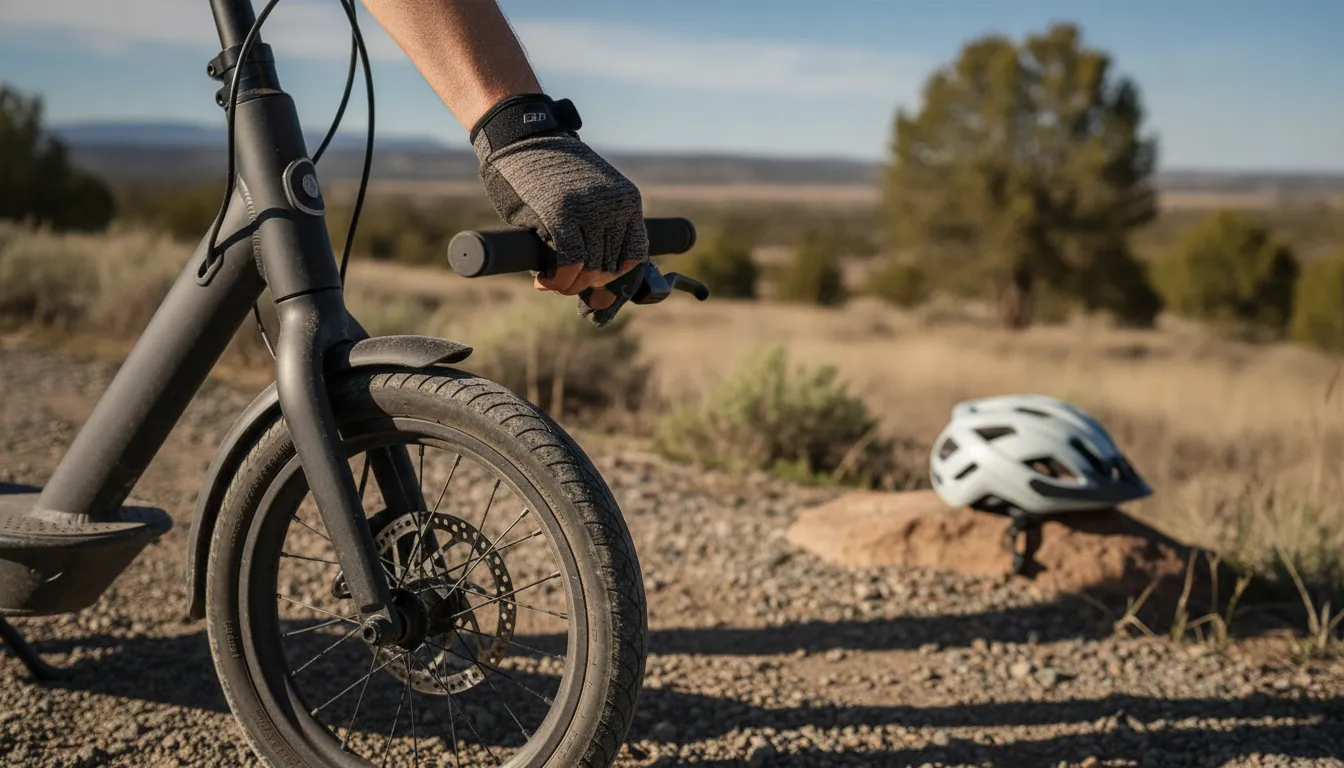
Public-road rules are separate from product capability
A scooter's ability to move quickly does not automatically make that speed legal on a public road, path, or bike lane. Oregon rules and local requirements can change, and the appropriate riding area may depend on the scooter's classification, equipment, location, and current law. Check current Oregon DMV guidance and applicable local rules before riding. Follow posted speed limits, traffic signals, and designated riding-area requirements rather than assuming the product's maximum setting is an allowed speed.
For shoppers in Bend or elsewhere in Central Oregon, a hands-on evaluation can reveal whether a scooter's acceleration, braking, stance, and controls fit the intended route. The right question is not only, "How fast can it go?" It is also. "Can I control it comfortably, stop predictably, and use it responsibly where I plan to ride?"
Explore Segway electric mobility options
Which performance specifications matter beyond top speed?
Beyond top speed, look for predictable braking, tires that suit your surfaces, controlled suspension, stable steering. Useful lighting, intuitive controls, and a frame that fits both the rider and the intended load. These details determine whether a scooter feels manageable when conditions change, not merely how quickly it travels in ideal conditions.
| Specification | What to inspect | Why it matters |
|---|---|---|
| Brakes | Lever feel, modulation, adjustment, and stopping behavior | Predictable braking gives you more control when speed, traffic, or surface conditions change. |
| Tires | Type, condition, pressure requirements, and contact with the road | Tires influence grip, vibration, and how the scooter responds to uneven surfaces. |
| Suspension | Travel, damping, and how the scooter settles after a bump | Well-matched suspension can improve comfort and control, but it does not make unsafe speed or surfaces safe. |
| Steering and frame | Handlebar stability, deck space, rider position, and load limits | A confident riding position reduces unwanted movement and helps the scooter fit the person using it. |
| Lights and controls | Headlamp, rear visibility, display readability, throttle response, and warning devices | Clear controls support smooth inputs, while lighting and visibility accessories help others notice you. |
Braking should feel controllable, not merely powerful
A test ride should include gentle braking, progressive braking, and a controlled emergency-stop exercise in an appropriate open area. Pay attention to whether the levers require excessive force, whether braking arrives abruptly, and whether the scooter stays composed as weight shifts forward. The U.S. Consumer Product Safety Commission advises riders to learn how long their scooter takes to stop because stopping distance can vary significantly by scooter. It also recommends checking the brakes, handlebars, throttle, lights, tires, cables, and frame for damage before riding. Review the CPSC micromobility safety guidance before relying on any performance claim.
Tires, suspension, and steering work as a system
Pneumatic tires can provide compliance and grip, but they require pressure checks and can puncture. Solid tires reduce puncture risk, yet may transmit more vibration. Neither design is automatically best for every route. Suspension can help the scooter manage bumps, but it does not replace suitable tires, controlled speed, or attention to the riding surface. Small scooter tires can also stop suddenly when they meet an object or uneven pavement. So slow down before rough sections rather than expecting suspension to absorb every hazard.
Steering stability deserves equal attention. Look for a firm handlebar, predictable turning, and a deck that lets you place your feet securely without crowding. Confirm the manufacturer's age and weight limits, and consider the rider's clothing, carried items, and normal cargo. Keep both hands on the handlebars, avoid hanging items from them, and choose a frame and riding position that allow relaxed control.
Lighting and controls affect usable performance
A fast scooter needs controls that respond smoothly enough for low-speed maneuvering, starts, turns, and stops. The display should be readable without distracting you from the route. Headlamps, rear lights, reflectors, and a bell or horn can improve visibility, especially because small, quiet devices may be difficult for drivers and pedestrians to notice. Treat these features as part of performance, not decoration. The most useful specification is the one that helps you remain predictable, visible, and in control when the ride is less than perfect.
How do speed, range, and terrain affect real rides?
Speed, range, and terrain interact rather than operating as separate specifications. A fast ride, steep route, headwind, heavy load, cold temperature, low tire pressure, or aggressive riding mode can all increase energy use. Treat a manufacturer's range as a controlled-condition reference, then plan conservatively for your actual route, rider, weather, and battery state.
Speed and riding mode change energy use
Riding faster generally asks more from the motor and battery, especially when the route includes repeated starts, hills, or strong wind. An economy mode may smooth acceleration and extend a ride. While a higher-performance mode can make hills and traffic starts feel more responsive at the cost of greater consumption. The most useful setting depends on the route, not on a label such as fastest electric scooter.
Battery state matters throughout the ride. Acceleration may feel different as charge falls, and a route that looks comfortable on a full battery deserves more planning when the starting charge is lower. Leave a practical reserve instead of treating the displayed remaining range as a promise. If your trip includes a return leg, elevation changes, or limited charging options, plan around the demanding portion first.
Terrain, weather, and setup affect range
Hills require more energy than level pavement, and loose, rough, or uneven surfaces can reduce efficiency while demanding more rider control. Wind has a similar effect: a modest headwind can make a route feel substantially harder than the same distance with a tailwind. Cold temperatures can also change battery performance. Rider weight, clothing, cargo, and a second person, where permitted, add load and can alter both handling and consumption.
Tire pressure deserves a quick check before longer rides. Underinflated pneumatic tires can increase rolling resistance and may make steering feel less predictable. Overinflation can reduce comfort and grip. Follow the scooter manufacturer's pressure guidance rather than guessing. Tire design also involves tradeoffs: pneumatic tires can provide compliance but need inspection, while solid tires reduce puncture concerns but may transmit more vibration.
Suspension can help manage bumps, but it does not make every surface appropriate or remove the need to slow down. Small scooter tires can catch on uneven pavement, so approach rough sections with controlled speed and both hands on the handlebars. Compare Segway electric mobility options by intended route, rider fit, and support needs, not by top-speed figure alone. For a demanding Central Oregon route, a hands-on evaluation can reveal whether the controls, tires, and stance feel manageable before you commit to a long ride.
What are the Oregon rules for a fast electric scooter?
In Oregon, a scooter's advertised capability is not the same as its legal public-road use. The current Oregon DMV guide describes a motor-assisted scooter with specific power and speed characteristics, and states that it may not exceed 15 mph. Before riding, confirm the latest state requirements, route restrictions, and local rules for the city, trail, bike lane, or roadway you plan to use.
A high-performance scooter may be able to accelerate faster or travel beyond the limits that apply to a legally defined motor-assisted scooter. That does not automatically make those capabilities lawful on Oregon streets, sidewalks, paths, or bike lanes. Treat the specification sheet as information for product selection, not as permission to use every riding mode wherever you choose.
Start with the current Oregon classification
The Oregon DMV motor-assisted scooter guide describes a vehicle classification that includes a power source capable of no more than 24 mph on level ground and. For an electric scooter, a maximum output of 1,000 watts. The same guide states that the operator must be at least 16 years old, that the scooter may not exceed 15 mph. And that protective headgear is required subject to the stated religious-belief exception, and that passengers are not allowed.
Those details matter when comparing a model marketed as the fastest electric scooter with the vehicle category Oregon describes. A manufacturer may publish a top-speed figure under particular conditions, while Oregon's rules address how a vehicle is classified and operated. If a scooter's power, speed capability, equipment, or intended use does not fit the applicable definition, do not assume it can be treated like an ordinary motor-assisted scooter. Ask a qualified retailer or review the current DMV materials before purchasing for public-road use.
Check the route, not just the scooter
State law is only part of the decision. The Oregon Revised Statutes Chapter 814 contains provisions covering pedestrians, bicycles, scooters, and other vehicles with fewer than four wheels. Oregon guidance and local agencies can change, and a rule that applies on a roadway may not answer whether a particular sidewalk. Multiuse path, trail, or bike lane permits your scooter.
Before each new route, check posted signs and the current rules for the local jurisdiction. Follow applicable speed limits, traffic signals, roadway requirements, and designated riding-area restrictions. In Bend and elsewhere in Central Oregon, terrain, trail design, traffic, and weather can also change the practical risk even when a route appears suitable on paper.
If the legal answer is unclear, pause rather than relying on a product listing, an old forum post, or an unverified speed claim. A local electric-mobility retailer can help you compare a scooter's specifications with your intended riding environment, but current state and local authorities remain the source for legal requirements.
What safety gear and habits should fast scooter riders use?
Fast scooter riders should combine a properly fitted helmet with gloves, eye protection, visible clothing, and disciplined control habits. Before each ride, inspect the scooter, practice braking at a low speed, choose a predictable surface, and follow the manufacturer's charging instructions. Gear reduces exposure to injury, but it cannot replace judgment, maintenance, or appropriate speed.
- Fit your protective gear before you power on. Choose a helmet that fits snugly, sits level, and stays secure when you move your head. CPSC advises wearing a bicycle helmet while riding a micromobility device. Gloves can protect your hands during a slide and improve grip, while clear or tinted eye protection helps with wind, dust, and insects. For higher-speed riding, consider additional protection appropriate to the route and conditions, such as abrasion-resistant clothing or joint protection. Requirements can vary by location, so do not assume one gear setup is legally required everywhere.
- Make yourself easy to see. Use the scooter's lights and check that they work before leaving. Reflectors, a headlamp, a bell or horn, and other visibility accessories can help alert people around you. Wear visible clothing when lighting or traffic conditions make you harder to spot. Expect drivers and pedestrians not to see you, especially in parking lots, garages, and other enclosed spaces. Slow down, scan for movement, and avoid abrupt, unpredictable changes in direction. See the CPSC electric-powered scooter safety guidance for broader riding recommendations.
- Practice braking before riding quickly. Find a clear, level area and learn how both brake controls respond. Apply them progressively, keep both hands on the handlebars, and leave room for a controlled stop. Stopping distance varies significantly by scooter, so do not discover the limit for the first time near traffic, a blind corner, or a downhill section. Reduce speed before turns, intersections, driveways, and surface changes. When approaching a bump, slow down and maintain a stable stance rather than trying to outpace the hazard.
- Complete a pre-ride inspection. Check the handlebars, brakes, throttle, bell, lights, tires, cables, and frame for damage or unusual looseness. Confirm that the tires have appropriate pressure and that controls return normally. Do not ride a scooter with a damaged component simply because it still powers on. Follow the manufacturer's safety information, including any age, weight, rider, and maintenance limits. Keep one rider on the scooter, keep items off the handlebars, and never ride under the influence of alcohol or drugs.
- Choose a surface that matches your control level. Small scooter tires can catch on objects or uneven surfaces and stop suddenly. Avoid debris, wet leaves, loose gravel, standing water, and pavement you cannot read clearly at your chosen speed. Ride predictably, obey posted rules, and allow extra margin when visibility, traction, or traffic changes. A suspension system can improve comfort over some bumps, but it does not make an unsuitable surface safe.
- Charge and store the battery responsibly. Use only the charger supplied with or recommended by the manufacturer. Follow the model's charging instructions, stay present while charging, and unplug the device when charging is complete. Never charge while sleeping or away from home. Do not charge a damaged battery pack or continue using a scooter that develops unusual heat, odor, swelling, or other abnormal behavior. Move the scooter away from combustible materials when practical, and ask a qualified service professional for guidance before charging a questionable battery.
These habits are especially important when comparing the fastest electric scooter options, because extra capability can leave less room for an avoidable mistake. Start at a manageable speed, build familiarity gradually, and treat every test ride as a control and fit assessment rather than a top-speed demonstration.
How should you choose and test an electric scooter in Bend?
The right test ride starts with your route, body position, experience, and comfort level, then checks whether the scooter's controls and stopping response suit those needs. Bring the questions you would ask about hills, surface quality, storage, charging, and service. A knowledgeable local retailer can help you compare those needs with verified product details without turning the ride into a top-speed contest.
Describe the ride before comparing models
Think through where you will ride, how far you normally travel, and what conditions are common. Note hills, rough pavement, traffic exposure, wind, winter weather, and whether the scooter must be carried or stored in a tight space. Your height, stance, experience, and typical cargo also matter. A scooter that feels manageable for one rider may feel too abrupt, heavy, or demanding for another.
Ask which controls can be adjusted, what the manufacturer says about rider limits, how tires should be maintained, and what service support is available. Do not assume a listing's top-speed number answers questions about braking, range, parts, or legal use. If you are comparing Segway options, a Segway Ninebot scooter guide can provide additional ownership context, subject to current page availability.
Use the test ride to check control, not just acceleration
Start slowly in an open, appropriate area. Check the standing position, throttle response, steering, display visibility, and how naturally you can keep both hands on the bars. Practice smooth starts, gentle turns, progressive braking, and a controlled stop. If the scooter feels twitchy, crowded, too tall, or difficult to slow, treat that as useful information rather than a skill challenge.
Then consider the route. A brief smooth-pavement demonstration cannot show how the scooter will feel on the hills, cracks, wind, or mixed surfaces you actually use. Ask whether the tires, suspension, lights, and controls match those conditions. Keep expectations grounded in the model's current documentation, and do not rely on an unsupported ranking or promise of availability.
Know when service support is part of the decision
Performance equipment needs ongoing inspection. Voltaire Cycles of Central Oregon is based in Bend, and its Service Center is staffed by certified technicians. The documented service menu includes electrical-system diagnostics and battery testing and replacement. If a scooter develops unusual behavior, damage, or a battery concern, professional assessment can help distinguish a battery issue from a charger, wiring, controller, or other electrical fault.
For local riders, the Bend repair and service team is a relevant next step for questions about assessment and support. Ask what can be checked for your specific make and model before assuming a part is compatible or a repair is appropriate. That same careful approach makes the test ride more valuable: the goal is a scooter you can control, maintain, and use responsibly over time.
Frequently Asked Questions
What should I check before buying a high-performance scooter?
Look beyond advertised top speed. Compare braking feel, tire type and condition, suspension, steering stability, lighting, controls, rider weight limits, and the riding surfaces you expect to use. A hands-on test ride can reveal whether the scooter feels controllable and comfortable for your size, experience, and route.
How much range can I expect from a fast electric scooter?
There is no universal real-world range figure. Speed, rider and cargo weight, hills, wind, temperature, battery condition, riding mode, and tire pressure all affect consumption. Treat the manufacturer's range as a reference point, then plan conservatively around your actual route and charging access.
Are the fastest electric scooters legal to ride on public roads in Oregon?
Not necessarily. Oregon's motor-assisted scooter guidance includes classification, equipment, age, and operating requirements, and local rules may also apply. The Oregon DMV guide states that a motor-assisted scooter may not exceed 15 mph and requires protective headgear, but rules can change. Check current state guidance and local requirements before riding.
What safety gear should I wear on a fast scooter?
Always wear a properly fitted helmet, and consider gloves, eye protection, and additional coverage appropriate to your speed, route, and conditions. Check the brakes, throttle, tires, lights, cables, frame, and handlebars before every ride. Keep both hands on the bars, slow for uneven surfaces, and never ride under the influence.
How should I charge a scooter battery safely?
Use only the charger supplied with or recommended by the manufacturer, follow the model's charging instructions, and stay present while charging. Do not charge while sleeping or away from home. If the battery or charger is damaged or becomes unusually hot, stop using it and seek qualified service.
Ready to Compare Electric Mobility Options?
The right performance scooter depends on your route, comfort, experience, and ability to control it confidently, not just its advertised top speed. Compare Segway electric mobility options online, then contact Voltaire Cycles of Central Oregon to discuss a practical fit or arrange a test ride in Bend. A hands-on conversation can help you evaluate control, braking, and rider comfort before choosing.