

Electric Trikes for Adults: Stability, Comfort & Choosing
For many adults, cycling is not about chasing speed. It is about staying active, carrying what you need, and getting outside with more confidence. A three-wheel electric bike can make neighborhood rides, paved paths, and practical errands feel more approachable, especially when balance, flexibility, or leg strength has changed.
Electric trikes for adults combine a stable three-wheel platform with pedal assist, giving riders a comfortable way to travel. Carry cargo, and keep their independence without managing the balance demands of a traditional bicycle.
The right choice still depends on more than wheel count. Frame access, steering layout, battery range, motor support, seating position, and cargo capacity all affect how a trike feels in everyday use. In Bend, a hands-on test ride at Voltaire Cycles can help you compare those details on the ground, with local guidance and service available after the purchase.
Call 541-350-0669 to schedule a test ride in Bend.
Why Electric Trikes for Adults Offer Peace of Mind
For many riders, the appeal of a trike is simple: it feels more settled at the moments when a traditional bicycle can feel demanding. Starting from a stop, easing through a tight turn, or waiting at a crossing requires less concern about keeping two wheels balanced. The three-wheel layout provides enhanced lateral stability, which can reduce the risk of tipping during slow-speed maneuvers and stops. Van Raam explains how riding a tricycle can benefit adults who feel less confident on two wheels.
That does not mean every trike handles the same way. Riders still need to learn cornering technique and manage the extra width. A test ride is valuable because stability is a physical experience, not just a specification on a product page.
Who benefits most from three-wheel stability?
Three-wheel stability can be especially helpful for retirees who want to keep riding without relying on the balance demands of a two-wheeled bike. It can also suit adults with balance concerns, reduced confidence, or mobility limitations that make mounting and stopping more difficult. As sixthreezero notes, static stability allows a tricycle to remain upright while stopped, rather than requiring the rider to make constant steering corrections to stay balanced.
Accessibility seekers should pay close attention to the frame, not only the wheel count. A low-step design lets a rider board by stepping through the frame instead of lifting a leg over a high top tube. That can make mounting and dismounting more comfortable for people with limited flexibility, strength, or balance. A low-entry frame is designed to make those transitions easier.
What Are the Health Benefits of an E-Trike for Older Adults?
For many older adults, the most meaningful benefit of an e-trike is not speed. It is the ability to make regular movement part of everyday life. Electric assistance can help riders manage hills, headwinds, and longer distances while still contributing their own pedaling effort. The result is a practical way to stay active without turning every outing into a test of endurance. Regular outings can also add a social dimension to retirement, whether that means meeting friends on a trail or joining a neighborhood group ride.
Low-impact exercise without joint strain
Cycling is a low-impact activity because the saddle supports much of the rider's weight while the pedals guide a smooth, circular motion. That can make riding more comfortable for people who find walking, jogging, or other weight-bearing exercise difficult. Regular activity can support muscle strength, flexibility, and cardiovascular health, although the right intensity depends on each person's health and medical guidance. This overview of e-tricycle health benefits provides additional context for low-impact riding and healthy aging.
Assistance also makes it easier to adjust the workout from one outing to the next. A rider can use more motor support when feeling tired, then contribute more effort on a flat route or during a stronger part of the ride. That flexibility can help older adults build consistency instead of abandoning an activity after one difficult trip.
Research on older adults offers encouraging evidence for electric-assisted cycling. In a study indexed by the U.S. National Library of Medicine, e-bike users had 183% higher odds of reporting recreational biking than non-users, and those who cycled for transportation reported 35% more cycling minutes. These findings apply to e-bikes rather than to every e-trike model, but they suggest electric assistance can help people ride more often. Read the PubMed study for the methods and full results.
When evaluating electric trikes for adults, consider whether the riding position, pedal assistance, step-through access, and controls feel comfortable for your body. A local test ride can help you assess starting, stopping, turning, and how much effort you want to contribute.
Delta vs Tadpole: Which Three-Wheel Layout Fits You?
Three-wheel layouts are not interchangeable. In a delta design, one wheel sits in front and two wheels sit behind the rider. A tadpole design reverses that arrangement, with two front wheels and one rear wheel. That basic difference changes how each trike handles starts, turns, loading, and low-speed riding. Configuration guidance from Eskute recommends weighing balance, steering preference, and cargo needs before choosing.
| Consideration | Delta | Tadpole |
|---|---|---|
| Balance and stability | Two rear wheels create a broad platform behind the rider and support a steady feel at rest. | Two front wheels widen the front contact area and can feel planted through turns. |
| Cargo capacity | Often a natural fit for a rear basket or rack positioned behind the seat. | Can carry cargo, but the layout and available storage should be checked closely. |
| Step-over height | Varies by frame. Look for a low-step design if lifting a leg over the frame is difficult. | Varies by model and seat design. A test ride confirms whether boarding feels comfortable. |
| Steering | Single front wheel steering can feel familiar to riders coming from a bicycle. | Front-end steering can feel different, especially when initiating a turn or maneuvering slowly. |
| Who it may suit | Riders prioritizing a rear cargo platform, upright riding, and straightforward handling. | Riders who prefer a wider front stance and want to evaluate cornering feel carefully. |

Match the layout to your daily route
For errands, groceries, or recreational rides where you need to bring equipment, a stable cargo platform can be a meaningful advantage. The additional stability of an electric trike can help carry heavier loads without compromising balance, according to the cited cargo and stability review.
If balance at stops is your primary concern, any three-wheel design provides lateral stability. If steering confidence, turning space, or step-over height matters most, compare those details in person. Riders shopping for electric trikes for adults can browse the Voltaire collection and use a Bend test ride to compare configurations before committing.
How to Choose an Electric Trike: Range, Motor, and Fit
The right trike should make everyday riding feel manageable, useful, and enjoyable. Start with how you expect to use it, then compare the specifications that affect comfort, confidence, and independence. A thoughtful match matters more than choosing the longest stated range or the largest motor.
-
Estimate your real range and battery needs
Think in miles, not only in battery capacity. List your usual errands, routes, and the distance between charging opportunities, then add a buffer for hills, wind, rider weight, cargo, and frequent starts. Compare the battery's voltage and amp-hour rating, but treat the advertised range as a guideline rather than a guarantee. Ask whether a spare battery or faster charger would make sense for your pattern of use.
-
Match motor assistance to your routes
Motor power is only part of the riding experience. Consider how much help you want on inclines, loose surfaces, or longer rides, and compare assist levels, throttle operation, and hill performance. Confirm the trike's legal class and intended environment before assuming it belongs on a particular road or trail.
-
Check frame fit and step-over height
You should be able to mount, dismount, reach the controls, and place both feet securely without twisting or stretching. A low-step frame can make boarding easier for riders with limited mobility. During a test ride, practice stopping, starting, turning slowly, and backing into a space.
-
Plan for cargo and daily use
Decide what the trike needs to carry: groceries, a work bag, recreation gear, or a small delivery. Review the rated cargo capacity, basket or rack design, and how the load sits relative to the wheels. Make sure the trike fits through your garage, storage area, gates, and vehicle transport setup.
-
Set a complete ownership budget
Look beyond the purchase price. Include a lock, helmet, lights, weather protection, service, replacement tires, and any cargo accessories you will use. Local support can matter when you need an adjustment or help understanding the controls. Electric trikes support older adults in staying active, as described by Zycle's overview of senior mobility. Compare options in the electric trikes collection.
Test Ride First: Why a Local Showroom Matters in Bend
An e-trike can look ideal on a product page and still feel different when you sit on it. A test ride lets you evaluate details that are difficult to judge from specifications alone. You can check how easily you mount and dismount, whether the seat and handlebars fit your posture. How the steering responds at low speed, and how confidently you can stop.
Bend gives you a useful setting for that evaluation. Central Oregon's trail system supports low-impact recreation on electric trikes, including paved paths, neighborhood cruising, and selected gravel routes. At a local showroom, you can discuss how your intended rides match the tires, seating position, frame dimensions, and assist settings of different models.
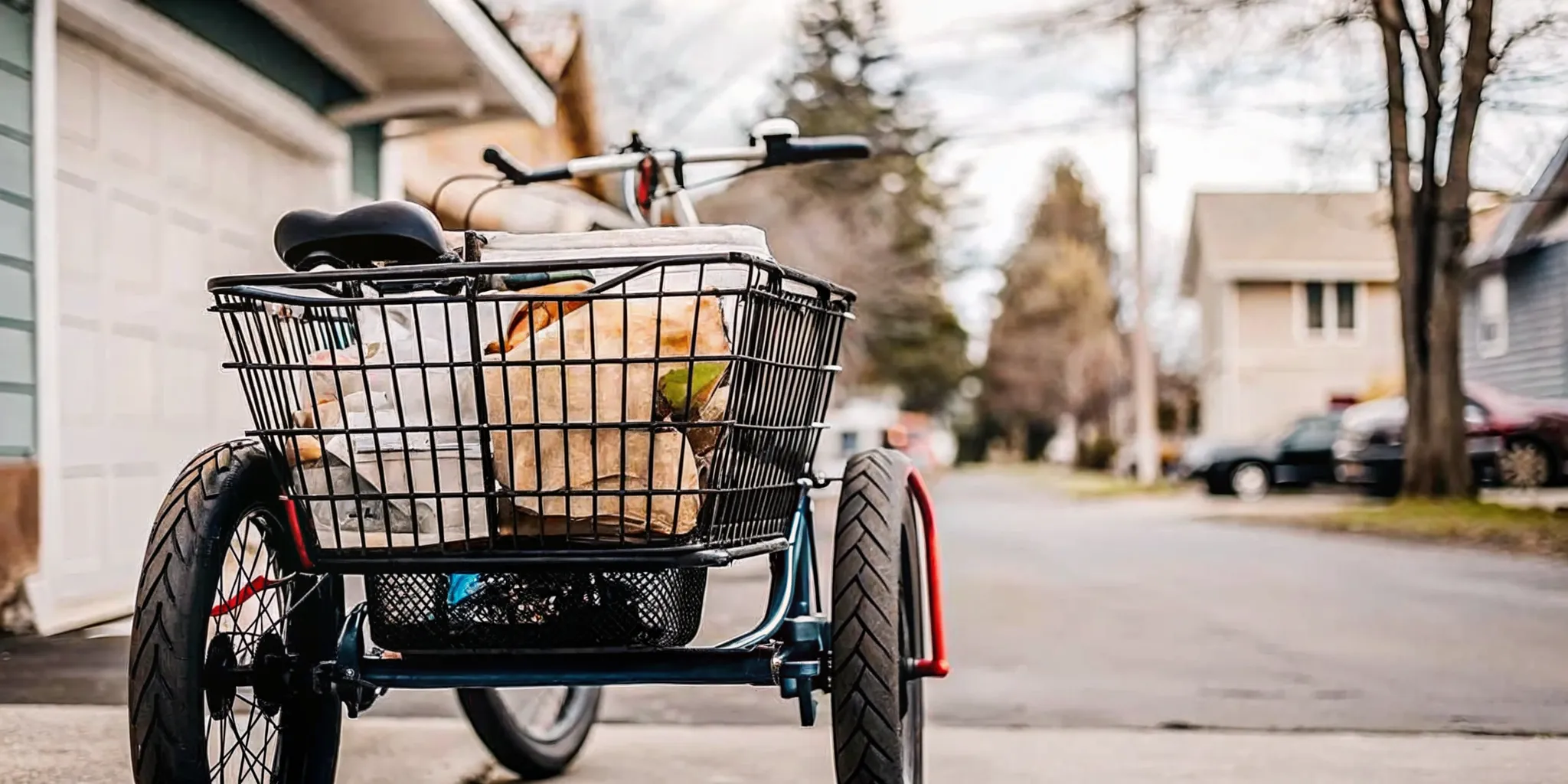
Voltaire Cycles of Central Oregon offers hands-on test rides and expert consultation for shoppers comparing electric trikes for adults. The goal is not to push you toward a particular model. It is to help you identify the configuration that feels stable, comfortable, and manageable for your routes.
Service and support after the sale
Local support continues to matter after you leave the showroom. Adjustments, tire or brake concerns, electrical troubleshooting, and routine maintenance are easier to address when you have a nearby team that understands electric mobility. Voltaire provides multi-brand service and maintenance support, including for e-bikes and trikes purchased elsewhere.
Call 541-350-0669 or visit the Bend showroom to test ride an electric trike.
Frequently Asked Questions
What is the best electric trike for the money?
The best value depends on how you will ride, your preferred frame layout, the range you need, and the support available after purchase. Compare the total fit rather than focusing only on the lowest price. A test ride can reveal whether the steering, seat position, controls, step-through access, and cargo setup work comfortably for you.
What are the disadvantages of an electric tricycle?
An electric trike is wider and typically heavier than a two-wheel bicycle, so storage, transport, and tight paths require more planning. Some designs also handle corners differently than a bicycle, especially at higher speeds. Ask about turning technique, overall width, rack compatibility, battery access, and service before choosing a model.
Are electric trikes street legal in Bend, Oregon?
Street and path rules can depend on the trike's equipment, classification, and where you plan to ride. Before using one on public roads or trails, confirm the current requirements with the relevant Oregon and local authorities. A local showroom can also help you understand how a model is intended to be used and equipped.
Will Medicare pay for an electric tricycle?
Do not assume that Medicare will cover an electric tricycle. Coverage, if any, depends on the specific plan and eligibility requirements, so contact your insurer directly before budgeting around reimbursement. You can also ask a healthcare professional whether an e-trike fits your mobility goals.
Ready to Find Your Electric Trike?
A test ride can help you compare stability, comfort, and fit before choosing an e-trike for everyday riding. Call 541-350-0669 or visit the Bend showroom to schedule a test ride with a local electric mobility expert. If you are still comparing options, browse the electric trikes collection online and contact Voltaire Cycles with questions about finding the right setup.