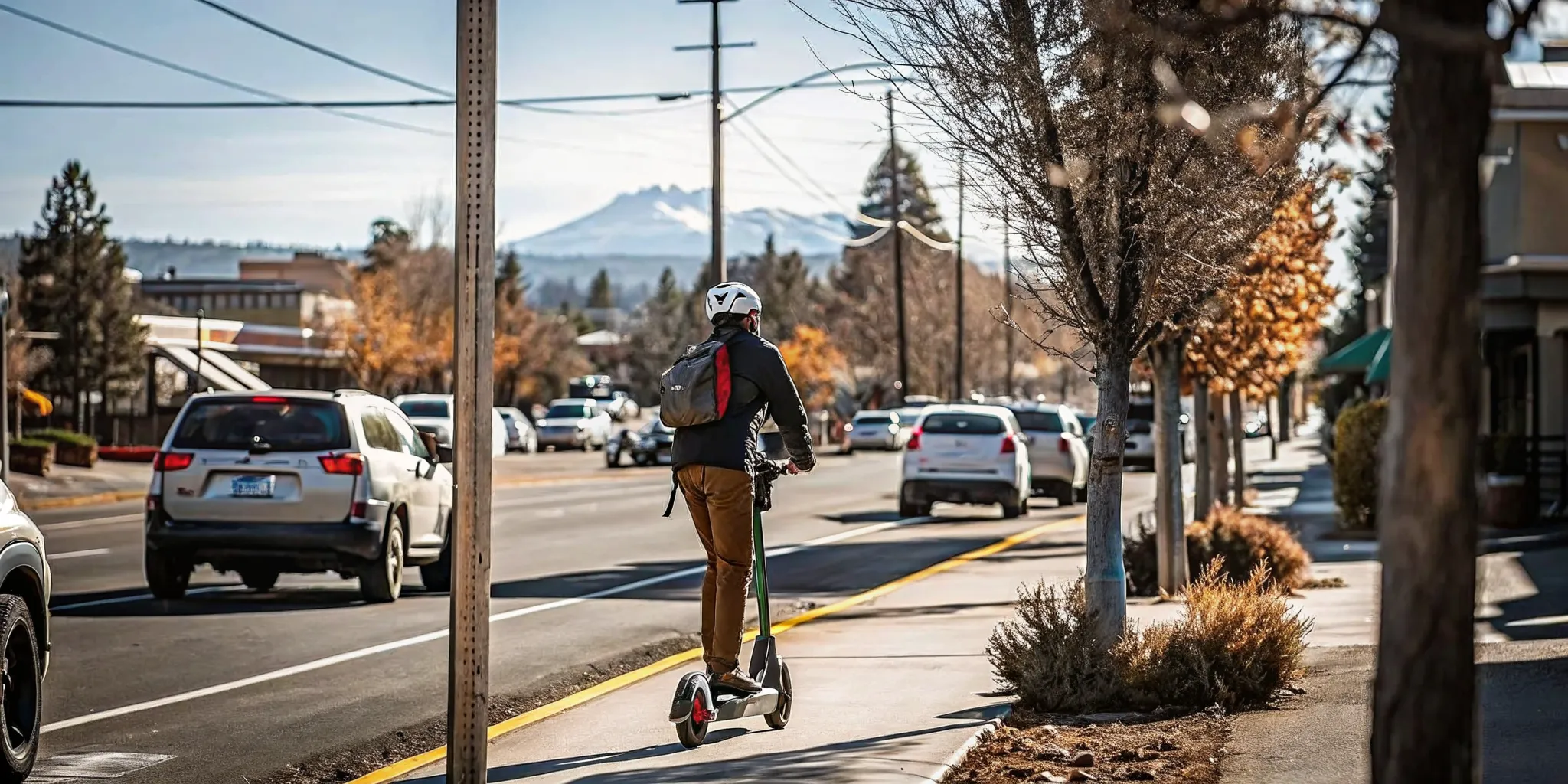
Electric Skateboard vs Electric Scooter: Best Commuter for Bend
Choosing the right personal electric vehicle can make or break your daily trip to work. A direct comparison of an electric skateboard vs electric scooter reveals distinct differences in safety, carry weight, and ride comfort. Your choice will shape how you navigate traffic, climb hills, and store your ride at the office. Call Voltaire Cycles of Central Oregon at (844) 394-3809 or visit our Bend showroom to test ride both options and find the perfect commuter for your route.
The choice between an electric skateboard vs electric scooter depends on your commute length, experience level, and need for portability. An electric skateboard is highly portable, with models like the Stoke X weighing just 23 pounds for easy carrying. However, electric scooters are much easier for beginners to ride because they have a lower learning curve. Handlebars and larger air-filled tires provide superior stability on rough pavement. If you need a compact ride that tucks under a desk, a board is ideal. For a more stable, comfortable commute over mixed city roads, a scooter is the safer option.
If you are trying to decide which option fits your daily route in Bend, it helps to look closely at the details. We will compare how each vehicle performs on hills, rough roads, and wet weather, then guide you toward the best choice for your lifestyle.
Electric Skateboards: Pros and Cons for Commuting
Electric skateboards offer a unique blend of portability and performance that appeals to many Bend commuters. If you need a vehicle that can be tucked under a desk or carried onto a bus, a board is hard to beat. However, balance and practice are required before you can ride safely in traffic.
Pros of Electric Skateboards
Ultra-portable: A light model like the Stoke X weighs just 23 lbs and is only 33.5 inches long, making it easy to carry into any building or onto public transit.
High performance: High-end boards can reach top speeds of 20 to 40 mph and offer a range of 10 to 31 miles per charge, according to commuter board specifications.
Hill climbing power: Dual-motor setups with 3000W motors can tackle a 35% hill climb, helping you ascend Central Oregon's steep streets without losing speed.
Easy storage: A board slides under a desk or into a locker, whereas a scooter requires floor space.
Cons of Electric Skateboards
Steep learning curve: Riding a board requires good balance and active body control. Beginners need practice on quiet paths before riding in city traffic.
Higher injury risk: Academic research on motorized board injuries found a higher risk of bone fractures compared to standard skateboards. Wrist injuries made up 20.2% of cases.
Limited rough-terrain capability: Small, solid wheels struggle on cracked pavement, gravel, and debris. Smooth bike paths are ideal for boards.
Electric Scooters: Pros and Cons for Commuting
Electric scooters are built for comfort and safety, making them the go-to choice for riders who value stability over maximum portability. Most riders feel confident after just a few minutes of practice thanks to intuitive controls and stable handling.
Pros of Electric Scooters
Easy to ride: Most riders can hop on and feel safe in minutes. Handlebars provide a solid point of contact, and the low deck keeps you stable at stops.
Superior stability: Larger wheels and air-filled tires handle cracked pavement, gravel, and debris much better than the small solid wheels on boards.
Intuitive braking: Hand-operated brakes work like bicycle brakes, giving you precise stopping power on Bend's downhill streets.
Cargo capacity: Hang a bag on the stem or wear a backpack without losing balance, unlike on a board where both hands are needed.
Cons of Electric Scooters
Heavier and bulkier: Even when folded, scooters weigh 30 to 50 pounds. Carrying them upstairs or onto a bus is harder than a lightweight board.
Both hands occupied: You need both hands on the handlebars to steer and brake. You cannot make quick hand signals easily while moving.
Larger storage footprint: A folded scooter still takes up floor space in an office or entryway.
If you want to explore premium scooter choices, read our guide on the best electric scooters for adults available at Voltaire Cycles.
Electric Skateboard vs Electric Scooter: How Do They Compare?
In a head-to-head comparison, electric skateboards win on portability and top speed, while electric scooters win on stability and ease of use. A side-by-side look at the specs reveals where each vehicle excels for Bend commuters.
Feature
Electric Skateboard
Electric Scooter
Average Weight
Lighter (about 23 lbs)
Heavier (30 to 50 lbs)
Top Speed Range
20 to 40 mph
15 to 20 mph
Typical Range
10 to 31 miles
15 to 25 miles
Hill Climbing
Up to 35% slope
Moderate slopes
Learning Curve
High (requires good balance)
Low (easy for beginners)
Rough Pavement
Poor (small solid wheels)
Good (larger air tires)
Portability
Excellent (tucks under arm)
Moderate (folds but heavy)
Price Range
$400 to $2,000+
$300 to $1,500+
Electric scooters offer superior stability on Bend's varied road surfaces, making them a popular choice for daily commuters.
Safety and Riding Comfort
Safety is a key factor when choosing how to ride on local streets. Research published on pubmed.ncbi.nlm.nih.gov indicates that motorized boards have a higher risk of bone breaks and hospital stays than standard boards. The study found that 13.9% of fractures from motorized board activities required hospital care. To stay safe on either vehicle, always wear a helmet, wrist guards, and pads. If you want to compare other options, read our guide on electric bikes and electric scooters to see how they perform.
How Does Bend's Terrain and Weather Affect Your Choice?
Bend's unique landscape and climate play a major role in which vehicle fits your daily route. The right choice depends heavily on whether you travel through the Old Mill District, climb the Westside hills, or cruise the downtown flats.
Electric skateboards excel on smooth paved paths and offer unmatched portability for carrying into buildings.
Tackling Hills in Westside and Awbrey Butte
If your route takes you up Awbrey Butte or through the Westside, motor power is vital. Strong electric boards like the Evolve Stoke X feature dual 3000-watt motors built to handle up to 35% hill grades, as noted by Evolve manufacturer data. Budget electric scooters often lack the power for steep climbs, though premium commuter scooters manage moderate hills with ease.
Handling Pavement and Rough Surfaces
Bend's street surfaces vary from smooth bike paths to cracked asphalt. This is where scooters have a clear edge. Standard electric skateboards use smaller, solid wheels that struggle on rough pavement, pine cones, and gravel. Electric scooters with larger wheels and air-filled tires absorb bumps and roll safely over cracks, giving you much better stability on uneven road conditions.
Navigating Wet Weather and Cold Temperatures
Central Oregon is famously dry, but seasonal rain, frost, and snow do arrive. Wet streets make skateboard riding risky because narrow wheels lose traction on slick asphalt. Scooters offer better wet-weather safety with wider tires, hand brakes, and an upright stance. Cold winter temperatures also impact battery performance for both options. A ride that covers 20 miles in July might only go 15 miles in January. We suggest testing both rides at our Bend showroom to find what works for your specific route.
Where to Test Ride Electric Skateboards and Scooters in Bend?
The best way to decide between an electric skateboard vs electric scooter is to experience both firsthand. At Voltaire Cycles of Central Oregon, you can test ride premium models from Segway and other top brands. Our team will help you compare portability, comfort, and hill performance on a real route near our showroom. Stop by, bring your questions, and let us find your ideal commuter.
Frequently Asked Questions About Electric Skateboards vs Electric Scooters
Is it easier to ride a skateboard or a scooter?
A scooter is much easier for most people. Scooters have handlebars for stability, a low deck, and hand brakes that work like bicycle brakes. You can ride one confidently in a few minutes. An electric skateboard requires good balance and active body control, which takes practice.
Which is safer for commuting: electric skateboard or scooter?
Electric scooters are generally safer for commuting. They offer better road stability, intuitive braking, and larger wheels that handle cracks and debris effectively. Research on motorized board injuries shows a higher fracture risk for boards. Wearing a helmet, wrist guards, and pads is essential for either option.
How do electric skateboards and scooters compare in portability?
Electric skateboards are lighter and easier to carry. A board like the Evolve Stoke X weighs around 23 pounds and tucks under your arm. Scooters fold but are heavier, often 30 to 50 pounds, making them harder to carry up stairs or onto transit.
Can electric skateboards handle rough terrain?
Most standard electric skateboards struggle on rough surfaces due to small, solid wheels. They perform best on smooth pavement and bike paths. Electric scooters with larger wheels and air-filled tires handle bumps, cracks, and gravel much better, making them more versatile for Bend's varied road conditions.
Which is better for commuting in Bend, Oregon?
The best choice depends on your specific commute. For a short, flat trip with maximum portability, an electric skateboard is excellent. For hills, rough pavement, or new riders, an electric scooter offers more comfort and stability. Test ride both at Voltaire Cycles' Bend showroom to see which feels right for your route.
Ready to Find Your Perfect Commute in Bend?
Choosing between an electric skateboard vs electric scooter comes down to your daily route, comfort level, and needs. At Voltaire Cycles of Central Oregon in Bend, we stock both options from premium brands including Segway. Our team can help you find the right fit and get you rolling with confidence. Stop by our showroom to test ride electric skateboards and electric scooters and feel the difference for yourself. Our service technicians can maintain and repair whichever vehicle you choose.