
Electric Bikes for Sale in Bend, Oregon
Buying an electric bike is easier when you can sit on the bike, ask practical questions, and test how it handles before making a decision. In Bend, that local experience matters because the right choice depends on more than motor output or battery size. Your riding goals, comfort, terrain, and plans for service should all shape the conversation.
For shoppers looking for electric bikes for sale, Voltaire Cycles of Central Oregon offers a Bend showroom where you can compare electric bikes. Get expert guidance, and arrange a test ride, with online shopping available when you already know what fits your needs.
The showroom at 2755 NW Crossing Suite 113 brings product selection and local support together. Before choosing a commuter, cargo bike, electric mountain bike, or another style. It helps to understand what the local buying experience includes and how it can support you after the sale.
Schedule your Bend test ride and browse electric bikes for sale.
Where to Find Electric Bikes for Sale in Bend, Oregon
If you are comparing electric bikes for sale in Bend, start with a visit to Voltaire Cycles of Central Oregon. The showroom at 2755 NW Crossing Suite 113 gives Central Oregon riders a place to see electric bikes in person. Ask practical questions, and talk through how a bike will fit their daily routines. That matters because the right choice depends on more than a product name or a list of specifications.
Voltaire Cycles is Bend and Central Oregon's premier electric-mobility retailer, with a selection that includes electric bikes. Electric scooters, electric skateboards, trikes, rentals, service, repairs, custom builds, and electric conversions. The team takes an advisory approach: the goal is to understand how you plan to ride before recommending a direction. A commuter may need a different setup than an active retiree, a weekend trail rider, or someone looking for additional mobility and confidence on local roads.
Browse the electric bike collection online before your visit to get familiar with the available categories and models. Then bring your questions to the showroom. You can discuss fit, riding position, expected use, battery needs, and the difference between a comfortable neighborhood bike and a more capable electric mountain bike. Seeing the proportions and controls in person can also make technical information easier to understand.
Whenever possible, take advantage of a hands-on test ride. A short ride can reveal details that are difficult to judge from photos. Including how the frame feels, how easily you can mount and dismount, and how the motor assistance responds. It also gives you a chance to explain what feels right or wrong so the consultation becomes more useful. Voltaire Cycles supports a hybrid experience, combining local showroom guidance with online purchasing for customers outside Central Oregon.
Local support is part of the value, too. Electric mobility ownership can bring questions about setup, accessories, service, and future maintenance. Connecting with a local retailer gives you an ongoing resource instead of treating the purchase as a one-time online transaction. To learn more about the team and its Bend location, visit Voltaire Cycles of Central Oregon. If you are ready to compare options, browse online first or visit the showroom for a conversation and test ride.
Why Buying Locally Beats Buying an E-Bike Online
Buying an electric bike is not only a product decision. It is a fit, comfort, and support decision. A photo and specification sheet can help you narrow the field, but they cannot show how a bike feels when you mount it. Turn the handlebars, reach the controls, or manage its weight at a stop. In a Bend showroom, you can ask practical questions and compare several electric bike styles before choosing one.
That does not mean online purchasing is always wrong. Online shopping can be convenient, especially when you already know the model that fits your needs. The advantage of a local retailer is the opportunity to combine that convenience with hands-on guidance and continuing support. Voltaire Cycles takes an advisory approach, helping you find the right bike rather than pushing you toward any particular bike.
| Buying locally | Buying online |
|---|---|
| Test rides before you decide. You can evaluate fit, riding position, handling, motor engagement, and comfort on a real bike. | Convenient product research. You can compare specifications and place an order from home, but the bike remains untested until it arrives. |
| Expert consultation. A local specialist can discuss your intended use, including commuting, recreation, accessibility, or trail riding, and explain differences between models. | Self-guided selection. Reviews and product pages can be useful, but you must interpret motor, battery, sizing, and equipment details on your own. |
| After-sale service and repairs. Local support gives you a place to ask maintenance questions and seek service as your electric bike accumulates miles. | Service is your responsibility. You may need to assemble the bike, find a qualified service provider, and arrange transportation if an issue develops. |
| Compare multiple models in person. Seeing several options together makes differences in frame design, controls, and riding feel easier to understand. | Broad online selection. A large catalog can make discovery easy, but similar-looking models may feel very different in practice. |
Voltaire Cycles supports a hybrid experience: visit the Bend showroom for consultation and test rides, then use online shopping when that is the most practical next step. You can also browse the Segway collection before your visit and arrive with a shortlist of models to discuss. Local buying is ultimately about reducing uncertainty and building a support relationship around the ride you want to enjoy.
How to Choose the Right Electric Bike for Your Ride
The best match depends on where you ride, how you want assistance to feel, and how much control you want over the bike's handling. Use these checkpoints to narrow the field before comparing individual models.
Match the e-bike to your terrain
- Start with your real riding routes. A commuter covering paved streets may value efficient handling, comfortable geometry, and practical range. A rider exploring Central Oregon trails may need wider tires, stronger suspension, and a frame designed for uneven ground. E-bikes are also used as mountain bikes on recreational trails, but access rules can vary by location, so check the requirements for each trail before riding. The Bureau of Land Management's e-bike guidance is a useful starting point.
- Choose the class that fits your riding plans. The Federal Highway Administration describes three recognized e-bike classes. Class 1 provides motor assistance only while you pedal. Class 2 includes a throttle that can engage the motor without pedaling. Class 3 is pedal-assist, typically intended for higher assisted speeds than Class 1. Local laws, bike-path policies, and trail rules may affect where each class is permitted, so confirm the rules in the communities where you plan to ride.
- Decide between pedal-assist and throttle control. With pedal-assist, the motor engages as you pedal, creating a cycling-forward feel that many commuters and recreational riders prefer. A throttle-assisted bike can provide motor engagement from a handlebar control, which may be useful when starting, managing a difficult incline, or reducing effort temporarily. The FHWA explanation of pedal-assist and throttle-assisted e-bikes can help clarify the distinction.
- Compare hub-drive and mid-drive motors. A hub-drive motor sits in a wheel and can deliver straightforward, predictable assistance. A mid-drive motor is positioned near the crank, which can create a more balanced ride and work naturally with the bike's gears. Neither is automatically best. Consider hills, cargo, trail use, service preferences, and how you want the bike to feel under acceleration.
- Choose the sensor response you prefer. Torque sensing responds to how firmly you pedal, so assistance can feel more immediate and proportional to your effort. Cadence sensing responds to whether the pedals are turning, offering a simpler on-or-off assistance pattern. A test ride is often the clearest way to decide which response feels intuitive.
- Compare complete bikes, not just motor specifications. Look at fit, brakes, tires, battery placement, controls, and the availability of service alongside motor output. Voltaire Cycles can help you compare options in the Segway collection, and this e-bike buying guide offers another way to organize your priorities before a showroom consultation.
Pick the right motor system
What to Look For in a Safe, Certified E-Bike
Safety starts before the first ride. When comparing electric bikes, look beyond motor output and range. Ask how the battery and electrical system were designed, tested, and certified, and make sure the bike's fit and controls suit the person who will ride it.
Check the battery and electrical certifications
The U.S. Consumer Product Safety Commission advises consumers to use micromobility devices and batteries that are designed, manufactured, and certified to applicable voluntary safety standards. That guidance is especially important when comparing unfamiliar brands or replacement batteries. You can read the CPSC's micromobility safety guidance for more detail.
Ask the retailer or manufacturer which certifications apply to the specific model, battery, and charger. UL 2849 is commonly associated with the electrical systems of e-bikes, while UL 2271 applies to batteries used in light electric vehicles. Treat those designations as questions to verify, not as a substitute for reading the product's documentation. A knowledgeable shop should be able to explain what the certification covers and help you avoid mixing incompatible chargers or batteries.
Make a short pre-ride inspection
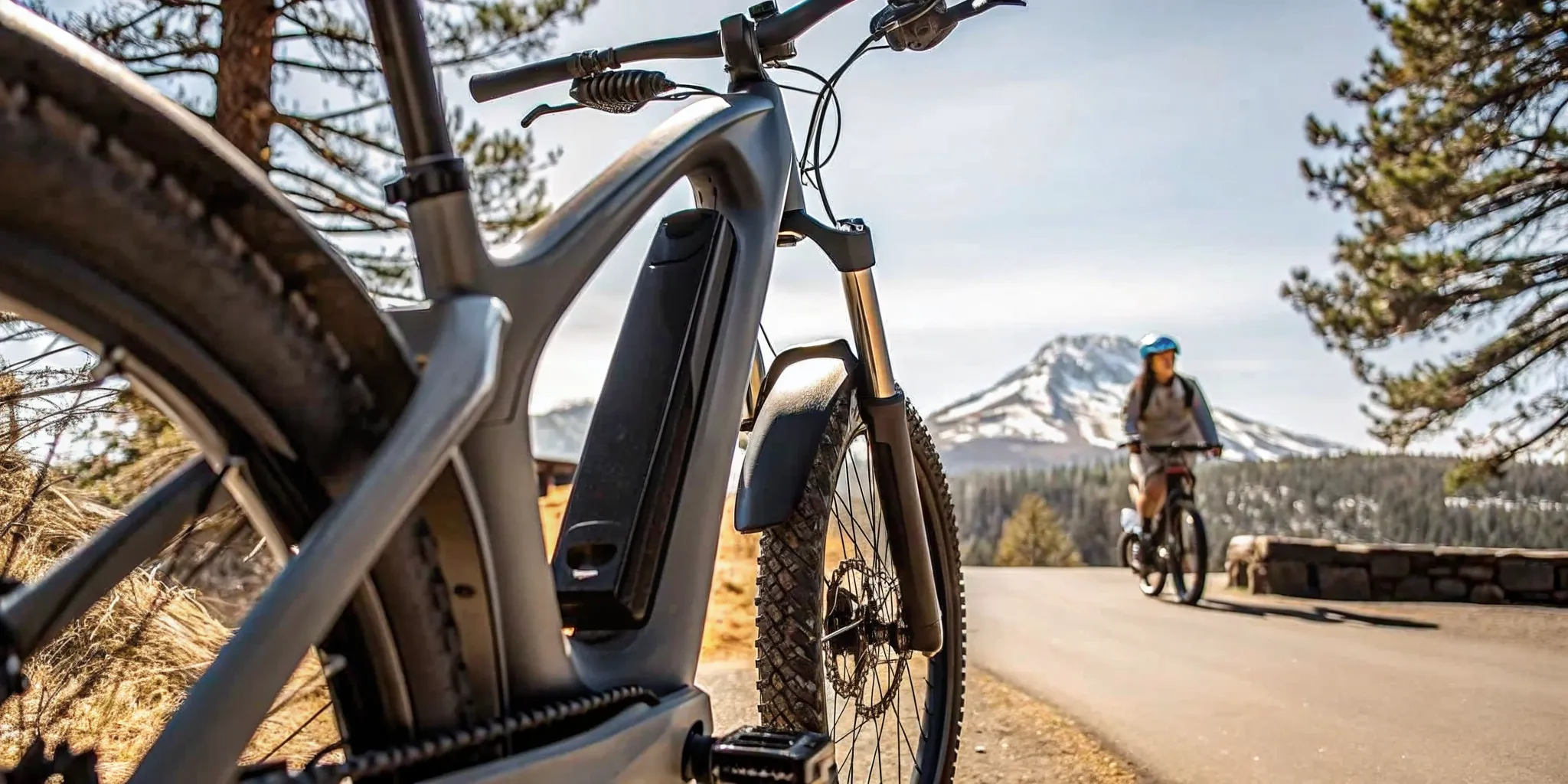
Before every ride, use the CPSC's practical checklist. Look for damage or looseness around the handlebars, brakes, throttle, bell, lights, tires, cables, and frame. Squeeze both brake levers, check that the tires are properly inflated, confirm the lights work, and make sure the handlebar and saddle are secure. If anything feels different from the previous ride, pause and have it inspected before heading out.
Wear a helmet and know the local rules
The CPSC recommends always wearing a bicycle helmet to protect your head. Visibility matters too, particularly around traffic. Helmet requirements, permitted riding locations, and roadway rules can vary by community, so check current local requirements before riding in Bend or traveling with your bike. At Voltaire Cycles, a showroom consultation can help you select a well-matched bike and the safety equipment needed for your routes. Browse the electric bikes for sale collection to compare available options.
E-Bike Service and Maintenance in Bend
Choosing an electric bike is the beginning of ownership, not the end of the buying process. Regular checks, thoughtful battery habits, and access to knowledgeable technicians can help you keep a commuter, cargo e-bike, or electric mountain bike ready for the way you ride. In Bend, local support also means you can discuss an issue in person instead of trying to diagnose every unfamiliar sound or warning light online.
Battery care and lifespan
Most electric bikes charge with standard household power, so you generally do not need a specialized home charging installation. The important detail is to use the charger and charging routine specified by the manufacturer for your particular battery. The Federal Highway Administration notes that e-bikes are generally charged using standard household power, while also emphasizing the role of the bike's battery and motor in the system. Read the manufacturer's instructions, use the correct charger, and pay attention to any unusual heat, damage, or charging behavior. If you are uncertain about battery care or expected lifespan, bring the bike in for an informed conversation rather than guessing.
A simple ownership routine goes a long way: inspect the bike before rides, keep connections and controls in good condition, and address problems early. Battery performance, range, and charging needs can vary by model and use, so broad promises about lifespan are less useful than model-specific guidance.
Why factory-trained local service matters
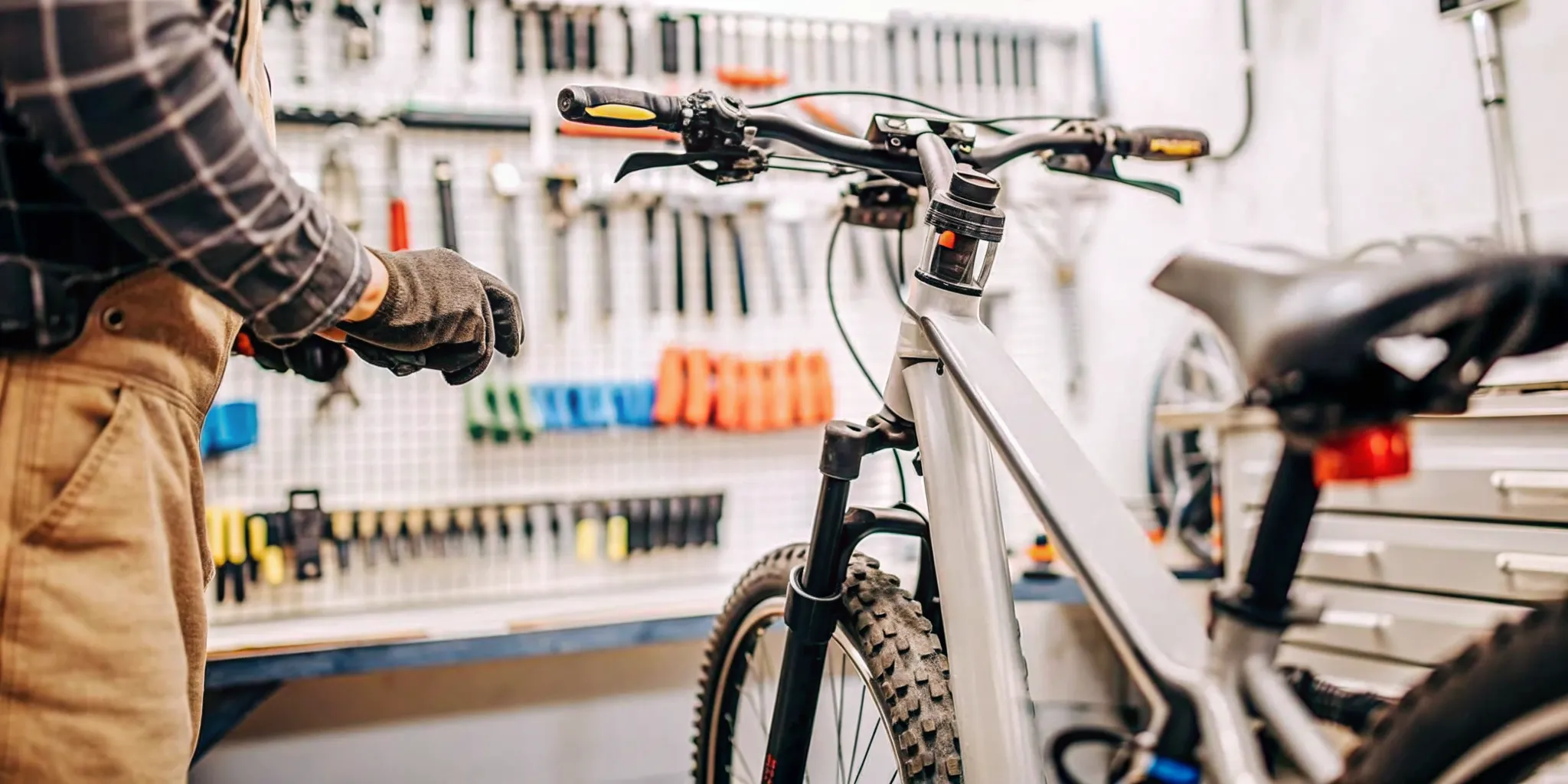
Electric bikes combine familiar bicycle components with electronic controls, a motor, and a battery system. A service conversation should account for the whole bike, including how you ride, where you store it, and what you notice during operation. Voltaire Cycles provides multi-brand service capabilities for a wide variety of electric bikes, along with maintenance, repairs, conversions, and custom electric mobility work. That broad experience is useful when you own a brand purchased elsewhere or are comparing electric bikes for sale with long-term support in mind.
At the Bend showroom, the goal is practical advice, not a high-pressure sales pitch. The team can help you understand maintenance needs before you choose a model and support your electric journey after the purchase. Learn more about the local team and service approach on the Voltaire Cycles of Central Oregon page.
Try Before You Buy: Test Rides and Rentals
Specifications can help narrow your choices, but they cannot tell you how an electric bike feels beneath you. A test ride gives you a practical sense of the fit, riding position, steering, braking, motor response, and overall confidence that a product page cannot provide. At Voltaire Cycles in Bend, the showroom experience is designed to help you compare those details with guidance from people who understand electric mobility.
Start by describing how you expect to ride. A comfortable commuter, a powerful electric mountain bike, and a cargo e-bike can all serve different needs. Staff can help you consider the terrain, distance, storage, carrying requirements, and level of assistance that make sense for your routine. You can then browse options such as the Segway electric bike collection with a clearer idea of what to feel for during a ride.
Fit is easier to judge in motion
On a test ride, pay attention to whether your reach feels natural, your feet can reach the ground comfortably. And the controls are easy to use without taking your attention off the road. Notice how the bike starts, turns, stops, and handles changes in surface. Motor assistance should feel predictable rather than surprising. These observations are especially useful for riders comparing step-through, upright, performance, or utility-focused designs.
Rent different types of electric bikes
Rentals provide more time to understand a product beyond a short showroom loop. A rental can help you experience the difference between a practical commuter and a more rugged off-road model. Or see whether a cargo design works with your errands and storage needs. It also gives active riders a chance to evaluate comfort over a longer outing, including the riding positions and assistance levels that feel sustainable for them.
For trail-oriented riding, review the electric mountain bike and off-road collection and ask which models suit your intended routes. The goal is not to push you toward the most powerful option. It is to let real use reveal which combination of fit, handling, capability, and comfort matches your plans.
Voltaire's Bend showroom offers test rides and rentals to support that try-before-you-buy process. Bring the questions that matter to your daily riding, take your time, and use the experience to make a decision you will feel good about after the purchase.
Visit Voltaire Cycles in Bend for local guidance and a test ride.
Frequently Asked Questions
Are electric bikes worth it for commuting in Bend?
They can be a practical fit for commuting, errands, and recreation when the bike matches your route, riding position, range needs, and storage plan. A test ride helps you evaluate hill performance, handling, comfort, and the difference between pedal-assist and throttle-assisted motor engagement. FHWA explains that pedal-assist models require pedaling to engage the motor, while throttle-assisted models can engage the motor from a handlebar control: FHWA e-bike guidance.
How much do electric bikes for sale usually cost?
There is no useful single price for every electric bike. Cost varies with the motor system, battery capacity, frame design, components, intended terrain, and included equipment. Instead of choosing by price alone, compare the bike's fit and specifications with your actual rides. A Bend showroom consultation can help narrow the options, and current product pages provide the most accurate pricing and availability.
What should I check before buying an electric bike?
Start with fit and intended use, then ask about weight, range, battery size, charging, motor placement, sensing, service, and replacement parts. Confirm which class the model is and where you plan to ride, because Class 1, Class 2, and Class 3 are recognized e-bike categories in many jurisdictions. The CPSC also recommends choosing devices and batteries certified to applicable voluntary safety standards: CPSC micromobility safety information.
Can I charge an electric bike at home?
Most electric bikes can be charged using standard household power, so special home charging infrastructure is generally not required. Follow the manufacturer's instructions for the specific battery and charger, and ask the dealer about charging habits, storage, and battery care. FHWA notes that e-bikes are generally charged using standard household power: FHWA charging guidance.
Ready to Find the Right Electric Bike?
A test ride can make it easier to compare comfort, handling, power, and fit before you choose an electric bike for Bend roads or Central Oregon adventures. Visit the Voltaire Cycles showroom for local guidance, or browse the electric bike collection and get started from home. Explore the available options, then connect with the team when you are ready to take the next step.