

Why Is My Electric Bike Battery Not Charging?
Why Is My Electric Bike Battery Not Charging?
When an electric bike battery is not charging, the cause may be a simple outlet, connection, temperature, or charger issue rather than a failed battery. This practical guide walks through the safest checks first, explains what charger lights and display behavior can tell you, and shows when a battery needs professional diagnosis.
Schedule an electric bike consultation with Voltaire Cycles in Bend
Why is my electric bike battery not charging?
An electric bike battery may not charge because the wall outlet has no power, the charger is not connected correctly, the charging port or contacts are dirty, the battery is outside its safe temperature range, or the battery management system has detected a fault. Use the manufacturer-approved charger and stop immediately if you notice heat, swelling, smoke, odor, sparks, or visible damage.
Do not assume the battery itself has failed until you have separated the charging system into its basic parts: outlet, charger, connector, battery, and bike display. Checking those parts in that order prevents an unnecessary replacement and keeps the diagnosis controlled.
What should you check first when your electric bike battery is not charging?
Start with the checks that do not require tools or opening any component. Confirm the outlet works, inspect the charger and cable, let a hot or cold battery return to a moderate indoor temperature, and reseat the battery exactly as the owner's manual describes. If anything looks damaged, stop testing and arrange qualified service.
- Move the charger to a known working wall outlet.
- Check whether the charger indicator light turns on when it is connected to the outlet but not the bike.
- Inspect the cable, plug, connector, and charging port for cuts, bent pins, dirt, moisture, or looseness.
- Confirm the battery is fully seated and locked if it is removable.
- Let the battery cool or warm naturally if it was just ridden hard or stored in cold conditions.
- Look for an error code on the display and record it before restarting the system.
These steps apply to many electric bikes, including Segway models, but the indicator colors, battery removal process, and reset instructions vary. Your model manual takes priority over a general checklist.
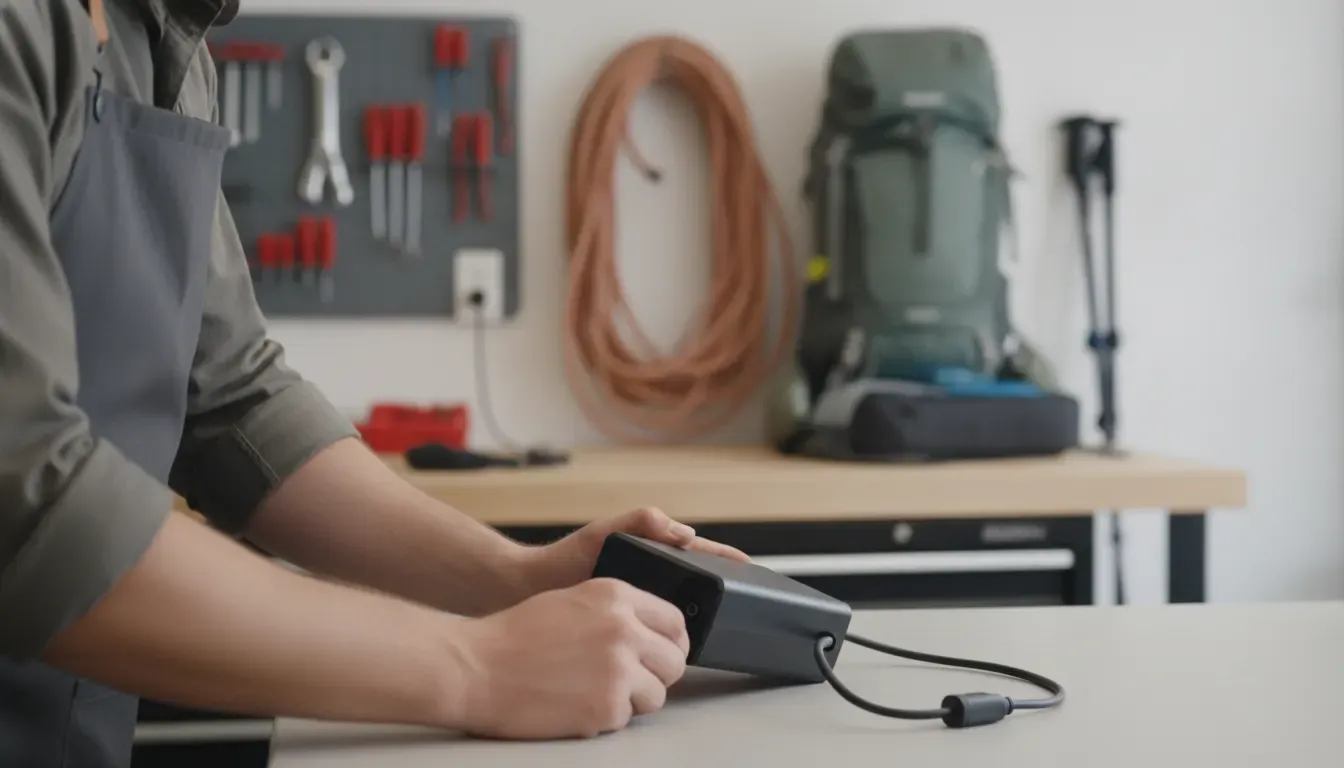
Is the wall outlet or charger causing the charging problem?
A wall outlet or charger is a likely starting point when the charger has no light, the light remains completely inactive, or the battery percentage never changes. Test the outlet with another ordinary device, then connect the e-bike charger to the outlet by itself. If the charger still shows no sign of power, do not open it. Replace it only with the exact manufacturer-approved charger or have it evaluated.
Test the outlet before testing the bike
Plug a lamp or another known-working device into the same outlet. If it does not operate, reset the circuit only if you can do so safely and the outlet is dry and undamaged. Avoid outdoor or damp outlets for charging. A working outlet does not prove the charger is good, but it removes one common source of confusion.
Use the correct charger for the battery
Electric bike chargers are not universal just because the plugs look similar. Voltage, current, connector style, polarity, and communication features can differ. A charger that fits physically may still be unsafe or incompatible. Use the charger supplied with the bike or a replacement identified by the manufacturer, such as the correct charger specified for your Segway electric bike.
Never borrow a random charger from another electric bike, scooter, or conversion kit. Do not splice cables, bypass a fuse, or use an adapter to force a connection. Those shortcuts can damage the battery management system and make a later professional diagnosis harder.
If you have access to another approved charger for the same battery system, a technician can use it as a controlled comparison. Do not treat a different brand's charger as a test substitute. Record whether the original charger works at the outlet, whether its light changes when connected, and whether the battery display responds. Those observations are more useful than repeatedly trying incompatible equipment.
What do charger indicator lights mean?
Indicator colors differ by manufacturer, so a green, red, flashing, or dark light is not a universal diagnosis. In many systems, a light changes when the charger detects the battery, but the exact pattern is model-specific. Compare the behavior with the owner's manual. If the charger becomes unusually hot, smells burnt, buzzes, or shows physical damage, unplug it and stop using it.
Could the charging port or battery contacts be the issue?
Yes. A loose connector, dirty contact, bent pin, moisture, or battery that is not fully seated can prevent an electric bike battery from charging. With the charger disconnected from the wall and bike, inspect the accessible port and connector under good light. Do not scrape contacts with metal tools or spray liquid into the port.
Remove only light, dry surface debris using the method approved in your owner's manual. If you see corrosion, a bent terminal, cracked housing, a loose socket, or moisture inside the port, stop. Repeatedly plugging and unplugging a damaged connector can turn a small repair into a wiring or controller problem.
For a removable battery, reinstall it gently and confirm the lock or latch is fully engaged. Do not force a battery that does not slide into place. On some bikes, the display will remain blank when the battery is not seated correctly, while other systems may show a connection or communication error.
Can temperature stop an electric bike battery from charging?
Temperature protection can prevent charging even when the outlet and charger work. A battery that is very cold after winter storage or hot after a demanding ride may temporarily refuse a charge. Move it to a dry indoor area and let it return naturally to the temperature range specified by the manufacturer. Do not heat it with a space heater or cool it with ice.
Bosch eBike Systems documents separate charging errors for a battery that is too cold and one that is too hot. Those examples reinforce a broader rule: the battery management system may interrupt charging to protect the cells. If the warning remains after the battery has returned to a normal temperature, follow the bike maker's procedure and contact a qualified dealer.
- Bosch guidance for a battery temperature that is too low
- Bosch guidance for a battery temperature that is too high
Central Oregon riders should pay particular attention after a cold overnight storage period or a long, high-load ride. Temperature is only one possible cause, so do not keep cycling through resets if the battery remains unresponsive.
What if the battery lights or e-bike display stay blank?
A blank battery indicator or display can point to a depleted pack, a poor connection, a charger problem, a fuse or protection state, or an electrical fault elsewhere in the bike. First confirm the battery is seated, the power switch procedure is correct, and the charger has been connected according to the manual. If the system remains blank, professional testing is safer than guessing.
| What you notice | Possible area to check | Safe next step |
|---|---|---|
| Charger light stays dark | Outlet or charger power | Test the outlet, then stop using a damaged or unresponsive charger. |
| Charger light stays in standby | Battery connection or compatibility | Confirm the connector and battery seating, then check the manual. |
| Battery is cold or hot | Temperature protection | Let it return naturally to the maker's recommended range. |
| Battery light turns on but percentage does not rise | Charger output, battery cells, or BMS | Do not open the pack; arrange a qualified diagnostic. |
| Display shows a repeated error | System communication or component fault | Record the code and give it to the manufacturer or service technician. |
| Battery, cable, or port is swollen, cracked, wet, or hot | Safety-critical damage | Unplug it if safe, move away from flammable materials, and stop using it. |
Shop Segway electric bikes and ask about the right charger or battery setup
When should you stop troubleshooting and seek electric bike service?
Stop home troubleshooting when the battery or charger is hot, swollen, cracked, wet, smoking, sparking, leaking, or producing an unusual odor. Stop as well when a cable is frayed, a connector is bent, an error repeats after the approved reset, or the battery remains unresponsive after basic checks. Do not open a lithium-ion battery pack or attempt cell-level repairs at home.
Professional diagnosis can separate a charger fault from a battery, port, wiring, controller, or communication issue. Voltaire Cycles of Central Oregon provides multi-brand bicycle repair and electrical-system service in Bend, including battery testing and complex e-bike diagnostics. Bring the bike, battery, charger, and any error-code details when possible. That gives the technician more context without requiring unsafe experiments.
- Do not bypass the battery management system or a protective fuse.
- Do not measure an unfamiliar battery pack with improvised probes.
- Do not charge a swollen, damaged, wet, or unusually hot battery.
- Do not leave a charging system unattended when a fault is suspected.
- Do not discard a lithium-ion battery in household trash; ask a qualified recycling or service provider about the correct route.
How can you prevent an electric bike battery from refusing to charge?
Most charging problems are easier to prevent than to diagnose. Use the supplied charger, keep the port protected and dry, inspect the cable periodically, and store the battery according to the owner's manual. Avoid extreme heat and cold, and do not leave a damaged charger or battery in service because the bike still turns on.
For broader battery ownership guidance, review Voltaire Cycles' e-bike battery guide for range, charging, lifespan, and replacement considerations. The related standard wall-outlet charging guide explains why the correct charger matters and how to create a safer charging area.
- Charge in a dry, ventilated place away from flammable materials.
- Keep the correct charger with the correct bike and battery.
- Give a hot battery time to cool before charging.
- Keep a cold battery indoors until it reaches the maker's recommended charging temperature.
- Store the battery at the charge level and temperature recommended by its manufacturer.
- Inspect the connector and cable before each charging session if the bike is used heavily.
Get electric bike battery and charger troubleshooting help from Voltaire Cycles service in Bend
Electric Bike Battery Troubleshooting FAQs
Can I charge an electric bike battery with any charger that fits?
No. Use the original charger or an exact manufacturer-approved replacement. A connector that fits does not guarantee compatible voltage, current, polarity, or communication. Ask the manufacturer or a qualified service shop to confirm compatibility before using a replacement charger.
Why does my e-bike charger stay green instead of turning red?
A green or standby light may mean the charger is powered but is not detecting the battery, although indicator behavior varies by model. Check the outlet, connector, battery seating, and manual. If the battery is damaged, hot, wet, or still undetected, stop and seek service.
Can cold weather make an electric bike battery stop charging?
Yes. Battery protection can interrupt charging when the pack is too cold. Move it indoors and let it warm naturally to the range specified by the manufacturer. Do not use direct heat. If the warning or charging failure continues, contact the bike maker or a qualified technician.
Should I leave my electric bike battery plugged in overnight?
Follow the owner's manual and the charger manufacturer's instructions. For a suspected fault, do not leave the battery unattended or connected overnight. A normal system should be charged in a dry, suitable location with the correct charger, then stored according to the battery maker's guidance.
Can a bike shop test an electric bike battery that is not charging?
A qualified electric bike service team can evaluate the charger, battery connections, charging port, electrical system, and available error information. Bring the bike, battery, and charger together when possible. Voltaire Cycles in Bend works on many electric bike systems and can help determine the next safe step.