

Where to Buy Electric Bike Parts: A Central Oregon Guide
Where to Buy Electric Bike Parts: A Central Oregon Guide
Replacing an e-bike part is rarely as simple as matching a photo online. A battery, charger, motor, tire, brake pad, or controller has to fit the bike's specifications, riding demands, and safety requirements. The right source can also help you avoid buying a part that looks universal but creates compatibility or warranty problems.
If you're wondering where to buy electric bike parts, start with a supplier that can verify compatibility and support the installation. Voltaire Cycles in Bend helps Central Oregon riders source components and get hands-on guidance for batteries, chargers, motors, tires, brakes, and electronic components. Online options are available for shoppers beyond the region.
That local support matters whether you're maintaining a daily commuter, preparing an adventure bike for Central Oregon trails, or replacing a worn component on an older model. Before comparing prices, it helps to understand why genuine, correctly matched parts are worth the effort.
Ready to find the right part? Browse our electric bike collection or call the Bend showroom at 844-394-3809 to talk through your bike before you order.
Why the Source of Your Electric Bike Parts Matters
Where you buy electric bike parts decides whether they fit, perform safely, and keep your warranty intact. A battery, charger, motor, brake, or controller must match your bike's exact specifications to work as one system. Genuine, correctly matched components from a source that verifies compatibility are always the safer choice.
Replacing a worn part is not just a matter of finding something that looks similar and fits in the box. An electric bike combines mechanical components with a motor, battery, charger, sensors, and control electronics. The right replacement needs to work with that complete system. Genuine parts from reputable manufacturers are designed for the bike's specifications, which supports compatibility, dependable performance, and rider safety.
This matters most with parts that carry electrical current or help you stop. A charger may use a connector that appears to fit while still having the wrong voltage or charging characteristics. A universal electronic component may not communicate correctly with the controller. Brake components also need to match the system and the demands of an electric bike. As a general rule, do not choose a part based on appearance or price alone. Confirm the manufacturer, model, part number, voltage, dimensions, and intended use before ordering.
Cheap universal parts can create expensive problems
Low-cost universal parts are tempting when an online listing promises a quick fix. The problem is that non-specified parts may not meet the manufacturer's performance and safety requirements. A poor match can cause unreliable operation, accelerated wear, or a failure in a component that you depend on every ride. That risk is not worth taking with batteries, chargers, motors, controllers, brake parts, or other safety-critical equipment.
| Buying factor | Genuine or approved part | Cheap universal part |
|---|---|---|
| Fit and compatibility | Designed for the bike's exact specs | May look similar but not communicate correctly |
| Safety | Meets manufacturer performance requirements | May fail under load or heat |
| Warranty | Keeps the manufacturer warranty valid | Could void or complicate a warranty claim |
| Long-term value | Reliable, correct replacement | Risk of accelerated wear or repeat failure |
Approved parts also protect more than the bike itself. Using the parts specified or approved by the manufacturer is generally required to keep the manufacturer's warranty valid. Before buying a replacement, check the bike's documentation and ask whether the part is approved for your exact model. If the answer is unclear, a technician can help identify the correct component rather than leaving you to interpret incomplete marketplace descriptions.
A service record helps you buy with confidence
Keep a simple maintenance log with the date, mileage when available, part replaced, part number, and any related service. This record makes it easier to track brake pad and tire replacement, recognize recurring issues, and communicate clearly with a mechanic. It can also help you avoid ordering the same wrong part twice.
For riders in Bend and Central Oregon, our parts and repair service can help verify compatibility before installation. If you're planning a project, use our guide to source parts for your custom electric bike build with the whole system in mind.
What Electric Bike Parts Do You Most Commonly Need to Replace?
The most common e-bike replacement parts are batteries, chargers, chains, tires, and brake pads. Controllers and displays follow less frequently as bikes age. Electric bikes stress these components harder than standard bicycles, so they wear sooner. Each part must match the bike's exact system and riding demands.
Electric bikes put more demands on several components than traditional bicycles. Higher speeds and greater overall weight mean that chains, tires, and brake pads can experience more stress. So regular inspection matters before a small wear issue affects safety or reliability.
Batteries
The battery is one of the most significant replacement decisions. Lithium-ion batteries have a limited service life, and proper storage and temperature management can help preserve capacity. Published research on large lithium-ion battery packs shows how careful condition management, including balanced charging and temperature control, extends usable life and reduces the risk of premature failure. A battery with declining range may need testing before replacement, since the battery management system and other electrical components can also affect performance.
A charger is easy to overlook, but it is not a universal accessory. The voltage and connector must match the battery and the manufacturer's specifications. A charger from another brand may fit the port and still damage the battery. Use the correct charger, follow its instructions, and replace damaged equipment rather than improvising with a generic substitute.
Tires
Tires are common wear items, especially for riders carrying heavier loads or riding on rough Central Oregon roads and trails. E-bike-specific or reinforced tires can be better suited to the additional torque and weight of an electric motor. Check tread, sidewalls, and inflation regularly. Correct pressure helps reduce pinch flats and rolling resistance, which supports efficient riding.
Brake pads
Brake pads deserve a more frequent inspection schedule than many riders expect. A practical starting point is checking them every few hundred miles, then adjusting based on terrain, rider weight, weather, and braking habits. E-bike-specific pads use compounds designed to manage the heat generated by faster, heavier bikes. If a pad is thin, contaminated, unevenly worn, or paired with a noisy or weak brake, have the system inspected before riding further.
Motors
Motor problems are less routine than tire or pad replacement, but they can be more involved. Mid-drive motors often require specialized maintenance and may offer fewer do-it-yourself replacement options than hub-drive systems. Some motor work requires manufacturer-specific tools or technician training. Unusual noise, intermittent assist, or repeated error codes mean you should stop guessing and seek a diagnosis.
Electronic components
Controllers, displays, sensors, wiring, and connectors can also wear or develop faults. Moisture exposure may corrode electrical contacts, while a firmware or controller update can sometimes resolve intermittent issues. Compatibility is especially important because proprietary components may look similar without communicating correctly with the rest of the bike. For riders researching where to buy electric bike parts, Voltaire Cycles offers reliable electric bike parts and components, as well as brand-specific e-bike replacement parts. When you are unsure whether a part matches your bike, bring the model information to the Bend showroom or ask the service team before ordering.
Where to Buy Electric Bike Parts Locally in Central Oregon
For riders near Bend, the best answer to where to buy electric bike parts is a local shop such as Voltaire Cycles. The team can verify compatibility, source genuine parts, and install or service what you need. Local guidance matters because a part that looks identical may still have the wrong voltage, connector, or dimensions for your bike.
If you're searching for where to buy electric bike parts in Central Oregon, a local shop can provide more than a replacement component in a box. At Voltaire Cycles in Bend, riders can bring questions about a charger, battery, brake pad, tire, motor, or electronic connection. The team understands how the parts work together. That matters because a part that appears to fit may still have the wrong voltage, connector, dimensions, or manufacturer specification.
Local shops can also source genuine replacement parts that are difficult to identify or find online. Genuine parts improve the odds of proper compatibility and help preserve the performance and safety characteristics of the original system. Approved components may also be important for keeping a manufacturer's warranty valid. Rather than guessing from a marketplace listing, bring the bike, the existing part, or a clear photo of the model and serial information to the Bend showroom. The right details make it easier to identify the correct replacement before you spend money.
Get compatibility advice before you order
Compatibility is especially important for electric bike batteries, chargers, motors, displays, controllers, and proprietary connectors. A local expert can look beyond a product name and compare the component with your bike's system. They can also help determine whether the issue is actually a worn part, a connection problem, or a larger service need. Professional mechanics may spot subtle wear, such as a stretched chain or misaligned derailleur, that is easy to overlook during a quick driveway inspection.
That hands-on assessment is useful even if you prefer to shop online. Voltaire Cycles combines a Bend showroom and service support with online shopping, so Central Oregon riders can get local guidance while customers farther away can explore products remotely. You can browse our electric bike collection and still contact the team when you need help narrowing down a component or deciding whether a repair is appropriate.
For installation, diagnostics, or a second opinion, our parts and repair service provides a practical next step. A local service relationship helps you replace the right part, understand why it failed, and keep your electric bike ready for commuting, recreation, and Central Oregon riding.
Where to Buy Electric Bike Parts Online: What to Watch For
When you shop online for electric bike parts, buy from direct-from-brand stores first and verify the exact part number, voltage, and compatibility before you place the order. Direct sources are safest for batteries, chargers, displays, and controllers, while reputable sellers work well for routine wear items.
Online marketplaces can make it easy to compare prices and find parts for older or less common electric bikes. Direct-from-brand stores are often the safest starting point, especially for batteries, chargers, displays, controllers, and other electronic components. Aftermarket sellers can also be useful for common wear items, but a familiar-looking part is not necessarily a compatible one.
Start by matching the part to the exact bike and system, not just the connector or a product photograph. Record the manufacturer, model, model year if available, battery voltage, motor system, connector type, and the original part number. Chargers are often brand-specific. Even when a cross-brand plug fits, the wrong charger can permanently damage the battery. Confirm the required voltage and connector specifications before you place an order.
Be especially cautious with listings that describe a charger, controller, or display as a universal replacement. Cheap universal parts may not meet the safety and performance specifications required by an e-bike. Warning signs include missing voltage information, vague compatibility lists, stock photos without clear labeling, no manufacturer documentation, and sellers who cannot answer basic questions about the part. Counterfeit components are another reason to avoid unknown sources for safety-critical items such as batteries and chargers.
Warranty language deserves the same attention as the price. Approved parts are generally required to keep the manufacturer's warranty valid, while an unapproved third-party component may complicate a future warranty claim. Read the return policy before ordering, and check whether the seller accepts electrical parts that have been installed. A low-cost part is not a bargain if it cannot be returned after discovering that the firmware, wiring, or mounting pattern is incompatible.
Some replacements also require more than basic bicycle tools. Motors and proprietary electronics may need specialized equipment and manufacturer-specific training. Before replacing a controller, check whether a firmware or controller update could resolve an intermittent electronic issue. If the diagnosis is uncertain, a qualified technician can test the system before you spend money on the wrong component. You can browse our electric bike collection and learn more about Voltaire Cycles to see the local expertise available to Bend and Central Oregon riders.
Battery, Tire, and Brake Safety for E-Bike Riders
Safety starts with correct charging, regular tire checks, and brake pad inspections. Use the charger specified for your battery, charge in a dry ventilated area, and unplug when full. Never alter a damaged battery casing, and stop riding if braking feels unreliable or a tire looks damaged.
Parts care is also safety care. Start with the battery and charger. Use the charger specified for your battery, follow its instructions, and charge in a dry, well-ventilated area away from combustible materials. Incorrect charging can cause battery damage or create a fire hazard.
A battery management system, or BMS, monitors cell health and helps protect against abnormal conditions such as overcharging, but it is not a reason to ignore charging guidance. These systems continuously check cell voltage and temperature so they can correct abnormal conditions before they escalate. Unplug the charger when the battery reaches full charge rather than leaving the system connected unnecessarily. Store the battery at the temperature and conditions the manufacturer recommends.
Cold weather can reduce lithium-ion battery capacity and riding range, so plan Central Oregon rides accordingly. If the casing is cracked, crushed, swollen, or otherwise damaged, stop using it. Do not open or repair the casing or internal cells yourself. The National Highway Traffic Safety Administration explicitly advises against modifying or repairing damaged battery casings, so follow that safety guidance and replace a damaged unit instead.
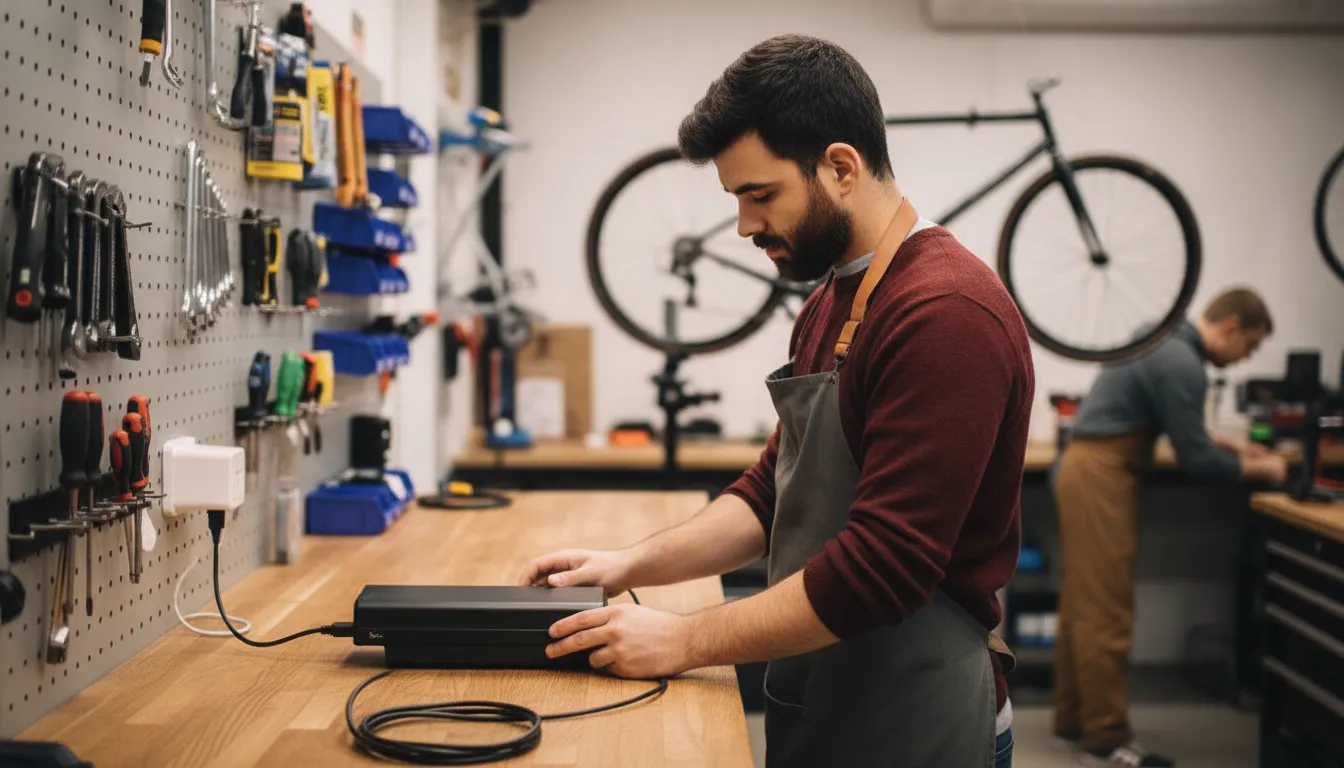
Check tires before every regular ride
Correct tire pressure supports control, reduces rolling resistance, and helps maximize range. It also lowers the risk of pinch flats. Check pressure with a gauge and use the range printed on the tire or specified by the bike manufacturer, rather than relying on appearance alone. Look for cuts, exposed casing, uneven wear, and objects lodged in the tread. E-bike tires carry more weight and experience more torque than many traditional bicycle tires, so a tire that appears usable may still need attention.
Give the braking system regular attention
Inspect brake pads every few hundred miles, and check them sooner if you ride steep terrain. Carry extra weight, or notice noise, vibration, reduced power, or a change in lever feel. E-bike-specific pads are designed to manage the heat of heavier, faster bikes. Hydraulic brake systems require the exact manufacturer-approved fluid. Using the wrong fluid can damage seals and compromise braking performance, so bleeding or servicing hydraulic brakes is best handled with the correct specification and tools.
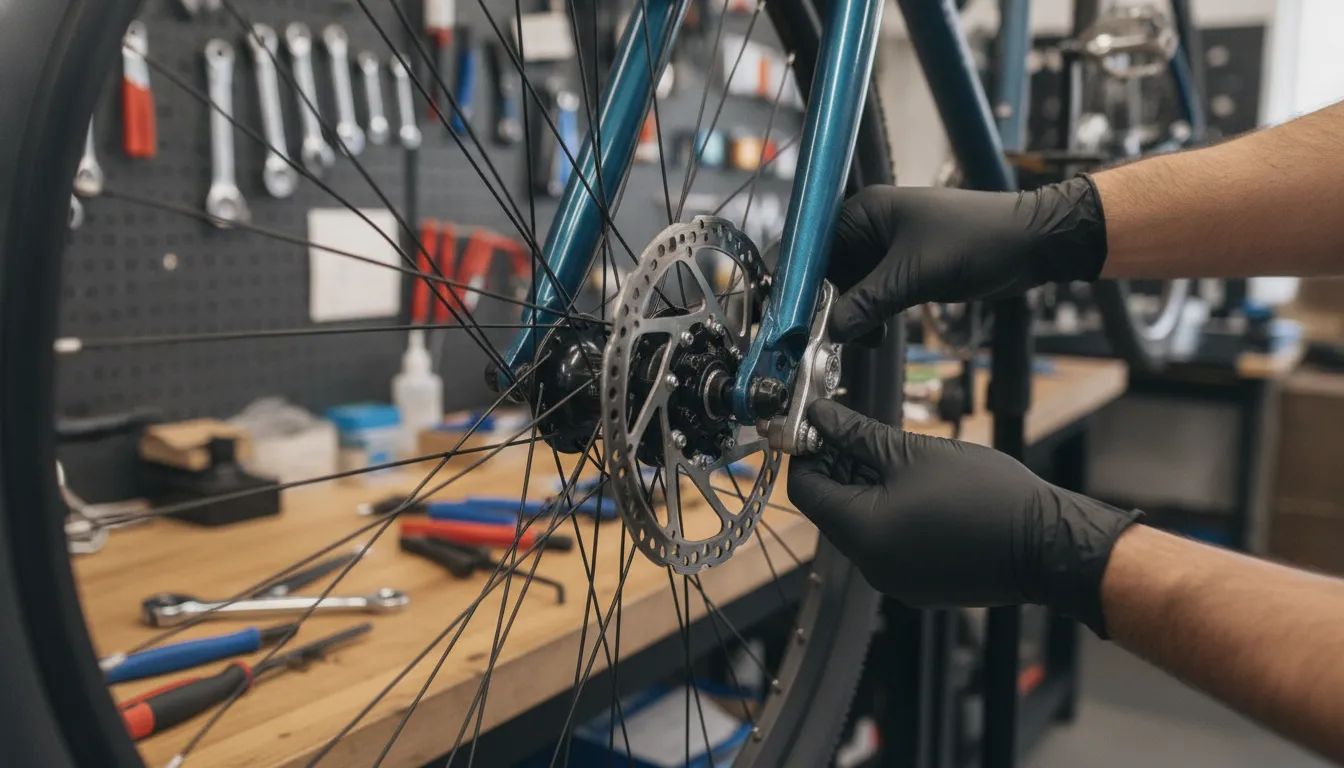
Every safety check you do before a ride builds a habit that protects you and your bike. Add these simple routines to your regular schedule and keep a written record of each service date:
- Keep a simple record of battery, tire, and brake service dates and part numbers.
- Check tire pressure with a gauge and look for cuts, cracks, or worn tread before every ride.
- Inspect brake pads every few hundred miles and sooner on steep or weighted riding.
- Stop riding if braking feels unreliable, if the battery shows physical damage, or if a tire looks damaged.
- Use the exact charger and connector specified for your battery model.
- Store the battery at the recommended temperature and unplug the charger when full.
- When a diagnosis is unclear, use our parts and repair service for qualified guidance before ordering a replacement.
Need help sourcing the right electric bike part before the weekend ride? Bring your bike to our repair service or call the Bend showroom at 844-394-3809 for compatibility advice and quick turnaround.
Frequently Asked Questions
Where can I find reliable electric bike parts?
Start with the bike manufacturer, an authorized dealer, or a local e-bike shop that can confirm fitment and source genuine components. In Central Oregon, Voltaire Cycles can help identify the correct battery, charger, tire, brake pad, motor, or electronic part. We can also arrange service when installation is not a good DIY project. Online retailers can work well for routine items, but verify the seller, return policy, and exact part number before ordering.
Is it safe to buy e-bike parts from online marketplaces?
It depends on the part and the seller. Counterfeit or poorly specified chargers and batteries create more risk than a basic accessory, so avoid listings with unclear specifications, missing manufacturer information, or unusually low prices. A charger must match the battery's required voltage and connector type, even when the plug appears to fit. Charge only as instructed, in a dry, ventilated area away from flammable materials. For damaged battery casings or cells, do not attempt an internal repair. NHTSA guidance advises against modifying or repairing damaged battery casings.
How do I know which e-bike parts are compatible with my bike?
Record the bike's brand, model, battery voltage, connector style, motor type, wheel size, and brake design. Add the part number of the component you are replacing. Compare those details with the manufacturer's specifications, not just a photo or a generic product description. Motors and proprietary electronics may require special tools, firmware, or technician support. When you are uncertain, bring the bike or clear photos of the labels and connectors to a qualified shop before purchasing.
How often should e-bike brake pads and tires be replaced?
There is no single replacement interval because terrain, rider weight, speed, weather, and riding style all affect wear. Inspect brake pads regularly and check tires for low pressure, cuts, cracks, worn tread, or exposed casing. E-bike tires and brake pads experience more stress than standard bicycle components, so replace them when wear reaches the manufacturer's limit or braking and handling change. Proper inflation also helps reduce pinch flats and rolling resistance. A service record makes it easier to track inspections and replacements.
Ready to Get the Right E-Bike Parts?
Finding a compatible battery, charger, tire, brake pad, or electronic component is easier when you can discuss your bike with a local service team. Voltaire Cycles can help Central Oregon riders choose the right part and plan the next service step without relying on guesswork. Contact us through our parts and repair service to get started with advice or book an appointment at the Bend showroom.