
What Is the Fastest Electric Dirt Bike?
What is the fastest electric dirt bike? There is no single answer that applies to every model, rider, and test. A bike described as fastest might hold a measured record, reach a claimed top speed under ideal conditions, or simply feel quicker on the terrain where you ride. The useful answer is to compare verified specifications and real-world fit, not rely on a headline alone.
Call the shop to discuss electric dirt bikes
What is the fastest electric dirt bike for your kind of riding?
Short answer: The fastest choice depends on what you count as fast and whether the bike can deliver that pace on your terrain. Look for a clearly stated, manufacturer-confirmed top speed for the exact model and configuration, then check how the bike accelerates, handles, and manages heat and battery use in conditions like yours. Without comparable, verified tests, naming one universal winner would be misleading.
Top speed is only one measure of performance. Two bikes can have similar published maximums but feel very different when starting uphill, turning through loose ground, or riding for a long session. A high top-speed figure says little on its own about traction, braking, suspension, rider fit, or how consistently a bike performs as the battery charge changes.
There is also a difference between a record-setting machine and an ordinary retail model. A one-off build, a modified bike, or a vehicle tested under special conditions may not represent a model you can buy in standard trim. If a seller or article names a winner, check that it identifies the exact production model, the configuration tested, the test conditions, and who measured the speed.
How should you compare electric dirt bike speed claims?
Start with the manufacturer’s specification for the exact model year and trim. A retailer listing, video, or forum post may be useful as a lead, but it is not a substitute for a clear specification. Confirm whether the figure is a stated maximum, a test result, or a rider estimate. If the source does not explain that distinction, treat the number as unverified.
Use this checklist when comparing claims:
- Exact model: Confirm the model name, year, and version. Similar names can refer to different configurations.
- Stock or modified: Ask whether the bike had standard components or changes that affect performance.
- Test conditions: Note rider weight, terrain, slope, wind, surface, battery state, and whether speed came from a calibrated instrument.
- Speed measurement: Check whether the number is a brief peak, a sustained speed, or a dashboard reading. Those are not interchangeable.
- Use limits: Confirm whether the bike is intended for off-road use and what restrictions apply where you plan to ride.
When two claims use different methods, do not compare the numbers as if they came from a controlled head-to-head test. A downhill run and a level-ground run are not equivalent. Nor is a modified bike a fair comparison to a stock model. If the manufacturer does not publish a verified top speed, record the number as unknown instead of filling the gap with a guess.
Which performance factors matter beyond top speed?
A useful comparison considers how a bike reaches and manages speed, not just its highest number. Acceleration can matter when you need to climb or move out of a slow section. Torque delivery and throttle response affect how controllable that power feels. Tire choice, suspension setup, braking, and the rider’s position influence confidence on uneven ground.
Battery and motor details also need context. A battery capacity figure alone does not tell you how long a bike will provide strong performance. Terrain, riding style, rider and gear weight, temperature, and repeated hard acceleration can all affect energy use. Ask whether the maker provides practical guidance for your use case, and whether the displayed range or speed assumes ideal conditions.
Fit is part of performance. If a bike feels too tall, heavy, or abrupt for the rider, a high maximum speed will not make it a good match. Make sure the rider can reach the controls, support the bike when stopped, and operate the brakes smoothly. For a technical trail, predictable control may be more valuable than the largest advertised number.
| What to compare | What to verify | Why it matters |
|---|---|---|
| Top speed | Exact model, source, test method, and whether stock | Separates a comparable specification from a loose claim |
| Acceleration and response | How power is delivered and whether the rider can control it | Influences starts, climbs, and confidence in changing terrain |
| Battery and sustained use | Manufacturer guidance for the intended riding conditions | A brief peak does not describe a full ride |
| Fit and handling | Rider reach, stance, braking, tires, and suspension setup | Control and comfort affect usable performance |
| Where it can be ridden | Vehicle classification and local land or road rules | A bike’s speed does not establish where it is permitted |
It can help to separate “fastest” into three questions. First, what is the highest speed the maker actually specifies for a standard model? Second, how does the bike behave at the speeds you will really use? Third, can you ride it in the places you have in mind? The first question is about evidence, the second is about suitability, and the third is about access. A model can score well on one and still be the wrong purchase overall.
Be cautious with specifications that lack a test context. A speed shown on a display may not be a calibrated measurement, and a brief downhill peak does not show what the bike sustains on level terrain. Ask whether the maker’s figure describes a production bike in its standard setup. If a retailer does not know, ask them to check manufacturer documentation rather than repeat an estimate as fact.
Also compare the complete riding system, not the motor label alone. Tire grip, braking condition, suspension, rider skill, and surface can limit safe usable speed. A powerful motor cannot compensate for poor control or a bike that does not fit. The right comparison is a complete vehicle under conditions close to your own, with a rider who can handle it.
What type of electric dirt bike should you choose?
Choose around your riding rather than a leaderboard. A rider focused on open, appropriate terrain may prioritize speed and sustained power. Someone learning or riding tighter trails may put more weight on manageable response, predictable brakes, and a fit that supports control at lower speeds. For hunting or backcountry travel, practical range, quiet operation, carrying needs, and the route’s access rules may matter more than maximum speed.
Before shopping, write down where you expect to ride, how long a typical outing lasts, who will ride, and what surfaces you encounter. Bring those answers to a product discussion. They help narrow down the class and configuration worth considering, and make it easier to ask useful questions about published performance.
Not every electric off-road vehicle is an electric dirt bike. Some electric bikes are designed for trails and utility riding but have different frames, tires, intended uses, or performance characteristics. For example, compare the purpose and details of the Stealth Electric XTRM-Bike or the QuietKat Apex XD as separate electric-bike options, not as proof of which dirt bike is fastest. A product category or rugged appearance does not establish a vehicle’s intended use or legal status.
How can a test ride answer speed questions?
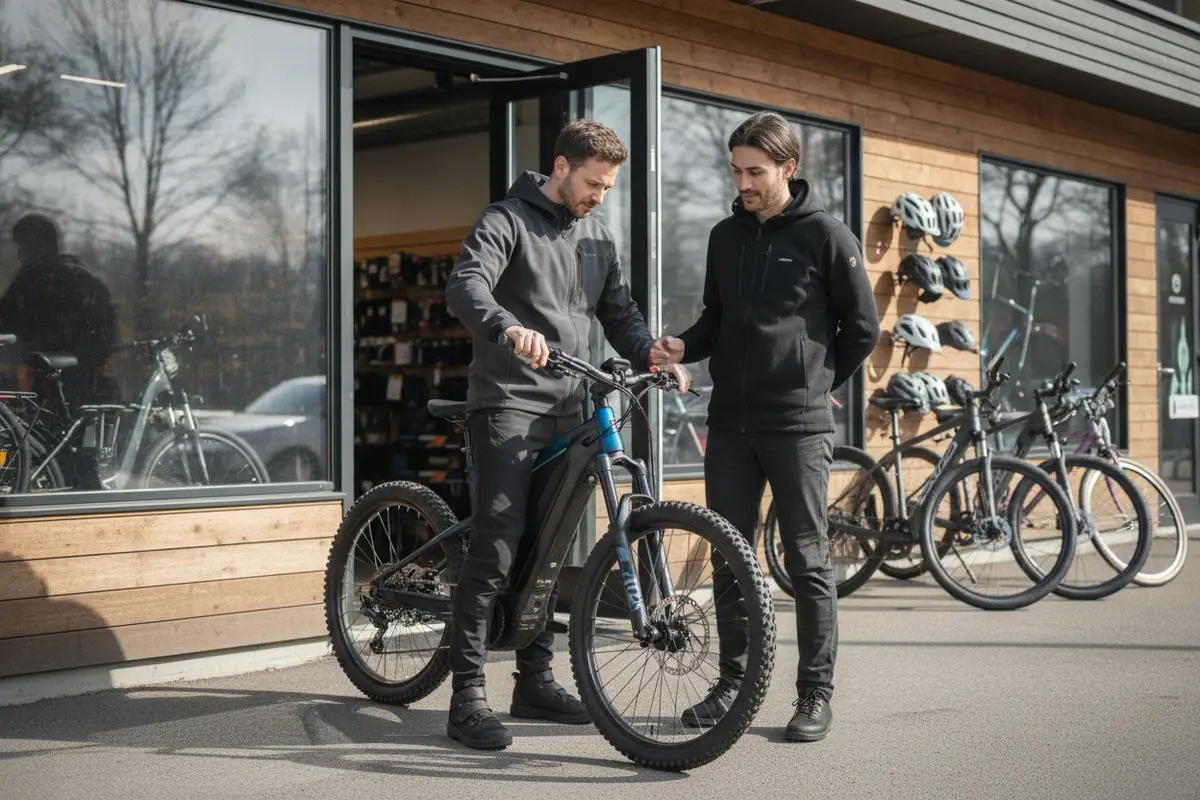
A controlled test ride can help you judge response and fit, but it cannot validate a claimed maximum speed unless the bike is tested in a suitable, safe, permitted setting with a reliable method. Use a test ride to notice how the vehicle starts, responds to the controls, brakes, and feels over the surfaces available for the demo. Do not attempt a high-speed run on a public road or crowded trail to settle a specification question.
At the showroom, ask specific questions rather than “Is it fast?” For example: “What does the manufacturer list for this exact version?”, “Is that figure measured or claimed?”, “What does the warranty allow?”, and “What terrain is this model designed for?” A knowledgeable retailer should be able to separate confirmed specifications from estimates and help you compare options without overstating a number.
Voltaire Cycles of Central Oregon offers hands-on product evaluation and local consultation in Bend, along with online shopping for customers farther away. If you are comparing categories, consider whether an electric bike designed for trails or utility use better suits your riding needs. Ask about fit and intended use before treating any model as a substitute for a purpose-built dirt bike.
For a productive test ride, agree on a suitable route and a comfortable pace before setting off. Pay attention to whether power comes on smoothly, whether the bike stays predictable over the surface, and whether the controls feel natural. Afterward, note what felt easy and what required concentration. Those observations are more useful for choosing a bike than attempting an unsafe maximum-speed run. If no test ride is available, ask what fit and setup guidance the retailer can provide and review the maker’s intended-use details.
Think about the entire outing, too. Consider how you will transport the bike, where you will store it, and whether you can manage its size and weight when it is not moving under power. Check what charging equipment is included and follow the manufacturer’s charging instructions. For a longer day, ask what the manufacturer says about battery use and charging between rides rather than assuming a top-speed rating predicts the distance you can cover.
Finally, ask what support is available after purchase. Electric vehicles combine mechanical and electrical systems, so service questions matter as much as the ride itself. Find out what routine checks the manufacturer calls for, how you should report a fault, and whether a technician can inspect the model you are considering. A clear service plan helps you make a better-informed choice than a speed claim on its own.
Where can you ride, and what rules should you check?
Do not assume a vehicle is allowed on a road, bike path, or trail just because it is electric or has a particular maximum speed. Rules depend on vehicle classification and the place you plan to ride. Before buying, identify your intended locations and check current guidance with the relevant land manager or local and state authorities. Oregon’s Department of Transportation is a starting point for state transportation information; it does not replace checking rules for a specific road, trail, or property.
Ask the seller for the maker’s intended-use information and any documentation supplied with the vehicle. Then confirm access with the authority responsible for the route. If you need public-road transportation, verify that the specific vehicle meets the applicable requirements; do not infer road eligibility from a product’s top-speed claim. For off-road riding, check access rules, closures, and any requirements for the land where you plan to ride.
What is a practical way to make your choice?
Use a short decision process:
- Define your route. List the surface, terrain, duration, and places you want to ride.
- Set a performance need. Decide whether maximum speed is essential or whether control, climbing, and sustained use matter more.
- Verify the candidate. Check the exact model’s manufacturer information and ask how each speed claim was established.
- Check fit and operation. Evaluate riding position, control reach, braking, and comfort with an expert or on an appropriate test ride.
- Confirm access and support. Check where the vehicle may be used and what maintenance or service support is available.
Keep a simple comparison note for each option: model and version, confirmed speed information, test source, intended terrain, fit observations, and remaining questions. That makes it much easier to spot gaps. If a seller cannot explain a dramatic performance claim, or the number refers to a modified vehicle rather than the model offered, move on until you can verify it.
Talk with a Bend electric mobility specialist
Frequently asked questions
Can one electric dirt bike be called the fastest?
Only with a clear basis for the comparison. A reliable answer needs an exact model and configuration, a transparent test method, and comparable conditions. A record, a manufacturer claim, and an individual rider’s result describe different things.
Does a higher top speed mean a better dirt bike?
No. Top speed is one specification. Fit, braking, control, terrain suitability, battery use, and the rider’s experience all affect whether a bike is appropriate. Compare those factors alongside any verified speed information.
Can I compare a modified bike’s speed with a stock model?
Not as a direct comparison. Modifications can change performance, and a single test may use different conditions from a manufacturer’s specification. Label the setup and test conditions clearly, and look for stock-model information when shopping for a standard bike.
Does top speed tell me where I can ride?
No. Allowed locations depend on the vehicle and the rules for each road, path, trail, or property. Confirm requirements with the relevant authority before riding; speed by itself does not establish access.
The best answer to “fastest” is the fastest verified option that fits your rider, intended terrain, and allowed riding locations. Compare documented specifications with handling and support, and ask for help when a performance claim is unclear.