

Torc Sensing Ebike Regenerative Braking, Explained
Regenerative braking sounds like a way to turn every downhill into free battery range, but the real benefit is more measured. On an e-bike, the motor and controller must support energy recovery, and the system works best when you regularly slow down on hills or in stop-and-go riding. It is not a standard feature on every electric bicycle.
Torc sensing ebike regenerative braking combines two different ideas: regenerative braking can send some deceleration energy back to the battery, while torque sensing measures how hard you pedal and adjusts assistance proportionally. Together, these features can create a smoother, more controlled ride, but regenerative charging is supplementary rather than a replacement for the bike's primary brakes.
That distinction matters when comparing Segway models or deciding whether a technical feature will help with your Bend commute, recreational route, or Central Oregon climbs. Start with what happens inside the motor and controller, then weigh the practical effects on braking feel, range, and daily maintenance.
Browse Segway e-bikes at Voltaire Cycles in Bend
What Is Regenerative Braking on an E-Bike?
Regenerative braking uses the e-bike's motor as part of the braking system. When you slow down, the motor can switch from driving the wheel to resisting its rotation. That resistance captures some of the bike's kinetic energy and converts it into electrical energy that returns to the battery. The process is similar in principle to regenerative braking in other electric vehicles, although the amount of energy recovered on an e-bike is generally modest. The U.S. Department of Energy explains how regenerative braking recovers energy that would otherwise be lost during deceleration.
For a rider in Bend, the benefit is less about dramatically recharging the battery and more about making repeated slowdowns work a little harder for you. Regeneration may be useful on descents, rolling routes, or rides with frequent stops. It can also reduce the workload placed on the conventional brake system. Because the motor assists with some deceleration, the mechanical brake pads may experience less wear over time. Regenerative braking remains an auxiliary function, however, not a replacement for dependable mechanical brakes.
One important qualification is that regenerative braking is not included on every e-bike. It depends on the specific motor, controller, battery, and drivetrain configuration. A bike can have a powerful motor and still lack the hardware or software needed to send energy back to its battery. The Lawrence Berkeley National Laboratory e-bike FAQ notes that regenerative braking is supported only by specific motor systems. It should therefore be treated as a product feature to verify, not an assumption based on the presence of electric assist.
It is also useful to separate regenerative braking from torque sensing. Torque sensing measures how firmly you are pressing the pedals and adjusts motor assistance to match your effort. It can make acceleration feel more controlled and natural, but torque sensing alone does not create regenerative braking. When comparing e-bikes for Central Oregon riding, ask which functions the motor-controller system actually supports. How the braking control feels on a test ride, and what the manufacturer says about energy recovery.
How Does Regenerative Braking Actually Work?
Regenerative braking begins with a change in what the motor is doing. During normal acceleration, the battery sends electrical power through the controller to the motor, and the motor turns the wheel. When you slow down, a compatible system can reverse that relationship. The motor controller switches from powering the wheel to operating in generating mode, using the wheel's motion to produce electrical energy that can flow back toward the battery. This is the basic principle described in research on regenerative e-bike systems: one motor-controller system must support both motoring and generating modes. Technical research on regenerative braking explains the two operating states.
The change is not simply an on-off command. The controller has to manage how much resistance the motor creates. As you decelerate, it adjusts the generator load to balance two goals: providing useful braking force and recapturing as much energy as the system can reasonably accept. Too little load produces little braking effect and little recovery. Too much can make the bike feel abrupt or place unnecessary demands on the motor, battery, or electronics. A well-integrated controller continuously moderates that load so the transition feels controlled rather than like a sudden grab.
What happens next depends on the battery and system design. The recovered electricity is returned to the battery only when the battery-management system can accept it. Regeneration is therefore a supporting function, not a guarantee that every downhill ride will visibly increase the battery gauge. It also works alongside the bike's regular mechanical brakes. Regenerative braking should never replace reliable primary brakes, which remain essential for stronger stops, emergencies, and situations where the system is unavailable.
There is another reason to keep expectations realistic: an e-bike motor is designed primarily to propel a relatively light vehicle, not to serve as a full-time generator. That physical design limits how much energy it can recover during ordinary riding. In practice, the motor may recapture some energy while slowing. But the amount is modest and depends on the speed, slope, rider and bike weight, and the intensity of the deceleration.
- Powering: battery electricity drives the motor and wheel forward.
- Decelerating: the controller changes the motor's operating mode.
- Recovering: controlled generator load creates resistance and sends some electricity back to the battery.
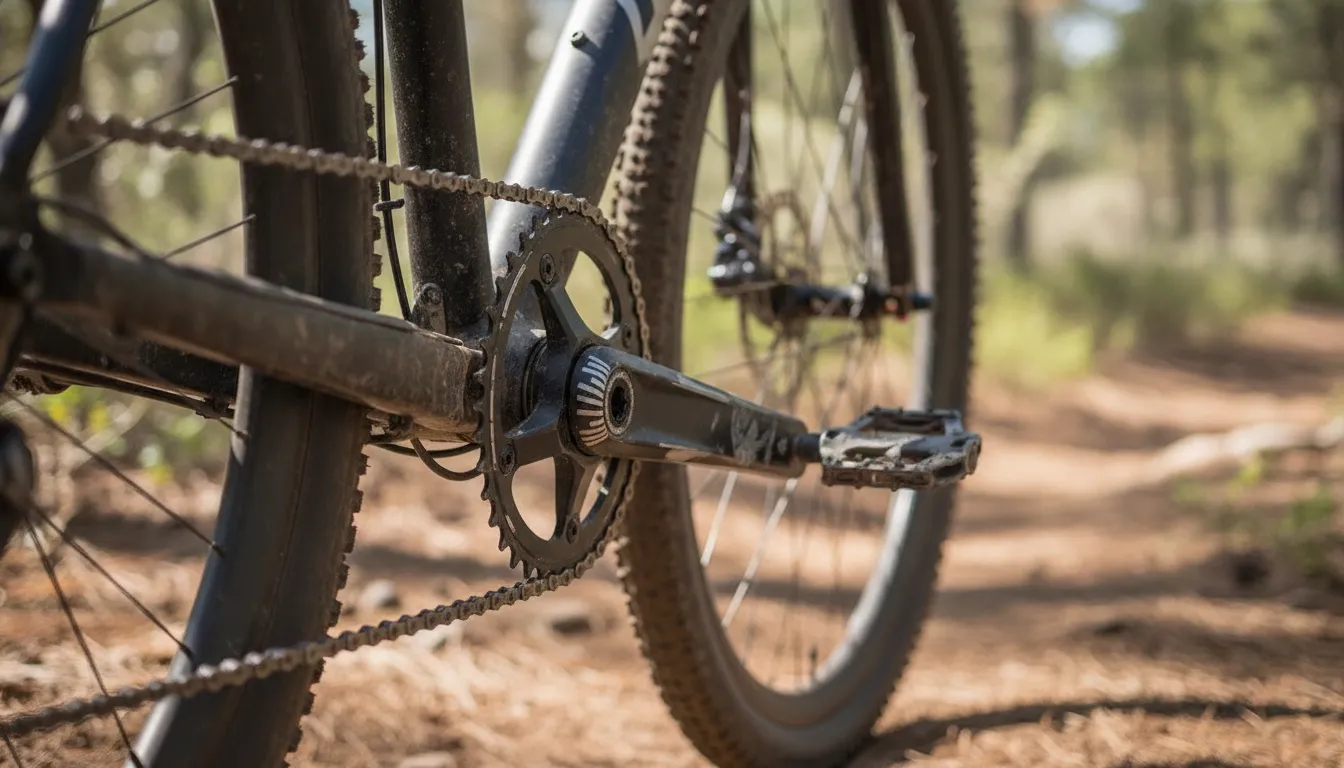
That is why regenerative braking is best viewed as a carefully managed efficiency feature. It can contribute to a smoother, more controlled ride and recover a modest amount of otherwise wasted energy. But it does not turn an e-bike into a self-charging vehicle.
Does Torque Sensing Improve the Ride Feel?
Yes, for many riders, torque sensing makes electric assistance feel more connected to the bicycle. A torque sensor measures how much force you are applying at the pedals, then adjusts motor support in proportion to that effort. Push harder to climb or accelerate, and the system responds with more assistance. Ease off, and the support tapers with you. Research describes this proportional response as more natural and intuitive than assistance based only on pedal movement. Read the research on torque-sensing assistance.
Cadence sensing works differently. It detects that the cranks are turning and tells the motor to provide assistance according to the selected support level. That approach can be perfectly useful, especially for steady, relaxed riding, but the motor may feel more abrupt when it starts or stops. Riders who want fine control around pedestrians, corners, trail changes, or a busy downtown intersection often notice the difference. A torque-sensing system follows the rider's input more closely instead of treating every pedal rotation as the same request.
That responsiveness matters on Bend-area rides because terrain and pace can change quickly. On a gradual climb, torque sensing can add support without making the bike surge ahead. On a mixed route, it helps preserve a familiar cycling feel while reducing the effort required to maintain momentum. The result can feel less like operating a motor and more like having your own strength extended. Which is one reason torque-sensing technology is associated with a more accessible and enjoyable premium riding experience.
Braking is part of that confidence, particularly when an e-bike has regenerative braking built into its specific motor and controller system. As you slow, the system may provide supplementary deceleration while recovering a portion of the energy otherwise lost as heat. It does not replace dependable mechanical brakes, and regenerative braking is not available on every e-bike. When the controls are well matched, however, smooth power delivery on acceleration and predictable deceleration can make stop-and-go downtown riding feel calmer. While still giving you useful control on a trail descent.
If you are comparing torque-sensing electric bikes, pay attention to the complete system rather than the sensor name alone. Ask how the assist responds at low speed, how braking feels, and whether the motor and controller support the features you want. A test ride at Voltaire Cycles can help you compare those sensations directly before choosing a bike for Central Oregon roads and trails.
How Much Range Can Regenerative Braking Really Add?
Regenerative braking can put some energy back into the battery, but it is best understood as a range supplement rather than a second charging system. An e-bike carries far less mass and stores much less energy than a full-size electric vehicle, so the total recovery available from each stop is correspondingly smaller. The motor is also designed primarily to propel the bike, not to operate as a full-time generator. Those physical limits make dramatic range claims unrealistic.
The amount recovered depends on several variables: the bike and rider's combined mass. Riding speed, how hard and how often you decelerate, and the efficiency of the motor-controller system. A gentle slowdown on level pavement may recover very little. A controlled descent or repeated braking event carries more potential, but conversion losses still reduce the amount that reaches the battery. The result is useful energy recovery, not free miles on demand.
| Riding context | Expected impact | Why it differs |
|---|---|---|
| Hilly routes | Most noticeable, though still moderate | Elevation changes create more opportunities to slow down and recover energy. |
| Stop-and-go riding | Potentially useful over many stops | Frequent speed adjustments provide repeated recovery events. |
| Flat, steady routes | Usually limited | There is less deceleration, so there is less kinetic energy to capture. |
That distinction matters around Bend and Central Oregon, where a route may include climbs, descents, trail approaches, and frequent changes in speed. Regeneration can be more noticeable there than on a flat, uninterrupted commute, but your riding habits still have a larger effect on practical range. Moderate assist, properly inflated tires, smooth acceleration, and choosing a battery suited to your route are dependable range strategies. For more guidance, see these torque-sensing e-bike battery range tips.
Think of regenerative braking as one part of a well-matched system. It may add useful efficiency and reduce some work for the mechanical brakes, but it should never replace a reliable primary braking system or careful route planning.
Which E-Bikes Offer Torque Sensing and Regenerative Braking?
Finding both features starts with separating two parts of the system. Torque sensing describes how the bike decides how much motor assistance to provide. A torque sensor measures the force you apply to the pedals and adjusts assistance proportionally, which can feel more natural than a cadence-only system. Regenerative braking describes what the motor and controller do when the bike slows down. The system must be designed to switch from driving the wheel to operating as a generator during deceleration.
Those features can exist together, but one does not guarantee the other. Regenerative braking is not standard on every e-bike. It depends heavily on the specific motor, controller, battery, and software configuration, as documented by the Lawrence Berkeley National Laboratory e-bike FAQ. Shoppers should therefore verify the complete drive-system specification rather than assume that a premium sensor package includes energy recovery.
Hub-motor systems are the most common place to find regenerative braking because their motor can be integrated directly into the wheel. Even then, the controller must support controlled generator operation, and the battery must be able to accept recovered energy. The effect is supplementary: it may help manage speed on descents or reduce some mechanical brake use. But it does not turn a typical e-bike into a self-charging vehicle.
- Look for: a stated torque sensor, not only a cadence sensor.
- Confirm: that the manufacturer specifically lists regenerative braking for that motor and controller combination.
- Prioritize: hydraulic or mechanical brakes with adequate stopping power for the bike, rider, cargo, and terrain.
Regenerative braking should never replace a reliable primary brake system. Research describes it as supplementary deceleration that must be supported by robust mechanical brakes. That matters in Central Oregon, where road grades, changing surfaces, and loaded recreational bikes can demand predictable stopping performance. Energy recovery is also limited by the bike's mass, speed, braking intensity, and conversion efficiency. So treat it as a useful system feature rather than a major range promise.
At Voltaire Cycles, Segway is a priority premium brand because its electric mobility systems emphasize integrated power delivery and braking-conscious design. You can browse the Segway electric bike collection, then speak with Voltaire experts about the exact model and drive-system configuration. A Bend test ride is especially valuable: it lets you compare how torque-sensing assistance responds to your pedaling while discussing whether regenerative braking is genuinely available on the model you are considering.
Experience a Torque-Sensing E-Bike at Voltaire Cycles in Bend
Central Oregon gives an e-bike a varied assignment. A ride may include a gradual climb, a quick trip across town, a packed gravel stretch, or repeated speed changes on a winding road. Torque sensing can make those transitions feel more controlled because the motor responds to how firmly you are pedaling, rather than simply detecting that the cranks are turning. That proportional assistance can feel especially helpful when you want steady support without a sudden surge.
Regenerative braking is a separate feature, and it is not available on every e-bike. When a compatible motor and controller support it, the system can recover a portion of energy during deceleration. The effect is generally modest on an e-bike, but it may be more noticeable on routes with hills or frequent braking. It also provides supplementary deceleration, not a replacement for dependable primary brakes. A test ride lets you evaluate the actual feel of the system instead of relying on a specification sheet.
At Voltaire Cycles of Central Oregon, the Bend showroom offers hands-on test rides and expert consultation for riders comparing drive systems. You can discuss your usual routes, comfort preferences, fitness goals, and the technical features that matter most for errands, commuting, or outdoor riding. Staff can help you compare cadence-based and torque-sensing assistance, assess braking confidence, and determine whether a particular model suits Central Oregon terrain.
That local relationship continues after the purchase. Voltaire Cycles supports major e-bike brands and complex electric mobility systems with expert e-bike service in Bend. For riders shopping from outside the area, the business also combines showroom expertise with online purchasing support nationwide. Whether you are new to electric cycling or upgrading a high-performance bike. An in-person conversation can help turn technical terminology into a practical choice for the way you actually ride.
Book a Bend test ride for a torque-sensing e-bike
Frequently Asked Questions
Does regenerative braking actually charge an e-bike?
Yes. When the system is designed for regeneration, deceleration can convert some motion into electrical energy and return it to the battery. The amount is usually modest on an e-bike because the battery and vehicle are much smaller than those in a full-size electric vehicle. It is best viewed as supplemental recovery, not a replacement for charging. The U.S. Department of Energy explains the basic energy-recovery principle.
How does torque sensing affect e-bike ride feel?
A torque sensor measures how firmly you push the pedals and adjusts motor assistance in proportion to that effort. The result generally feels smoother and more connected than cadence-only assistance, which responds primarily to whether the cranks are turning. That responsive feel can be especially helpful when starting, climbing, or changing pace.
What is regenerative braking on an e-bike?
Regenerative braking uses a compatible motor and controller to slow the bike while operating the motor in a generating mode. Some of the recovered energy flows back toward the battery instead of being lost entirely as heat. Mechanical brakes remain essential for reliable stopping, and regeneration may also reduce some brake-pad workload.
Can I use regenerative braking on all e-bikes?
No. Regeneration depends on the specific motor, controller, battery, and software configuration. Many conventional e-bikes do not support it, even if they have electric assistance. Confirm the feature for the exact model rather than assuming that a particular sensor or motor label includes regenerative braking. Lawrence Berkeley National Laboratory notes that it is not standard on every e-bike.
Ready to Find the Right Segway Ride?
A hands-on test ride can help you understand how torque sensing and regenerative braking feel together, especially when comparing models for Central Oregon roads and hills. Visit the Voltaire Cycles showroom in Bend for practical e-bike guidance, or browse the Segway electric bike collection online. You can also call 541 350 0669 to talk through your questions with the team.