

Ride Electric Bike in Rain: Wet Weather Safety Guide for Central Oregon
Call Voltaire Cycles of Oregon today for a free e-bike safety consultation in Bend. Our team will help you choose the right bike and gear for Central Oregon wet weather riding.
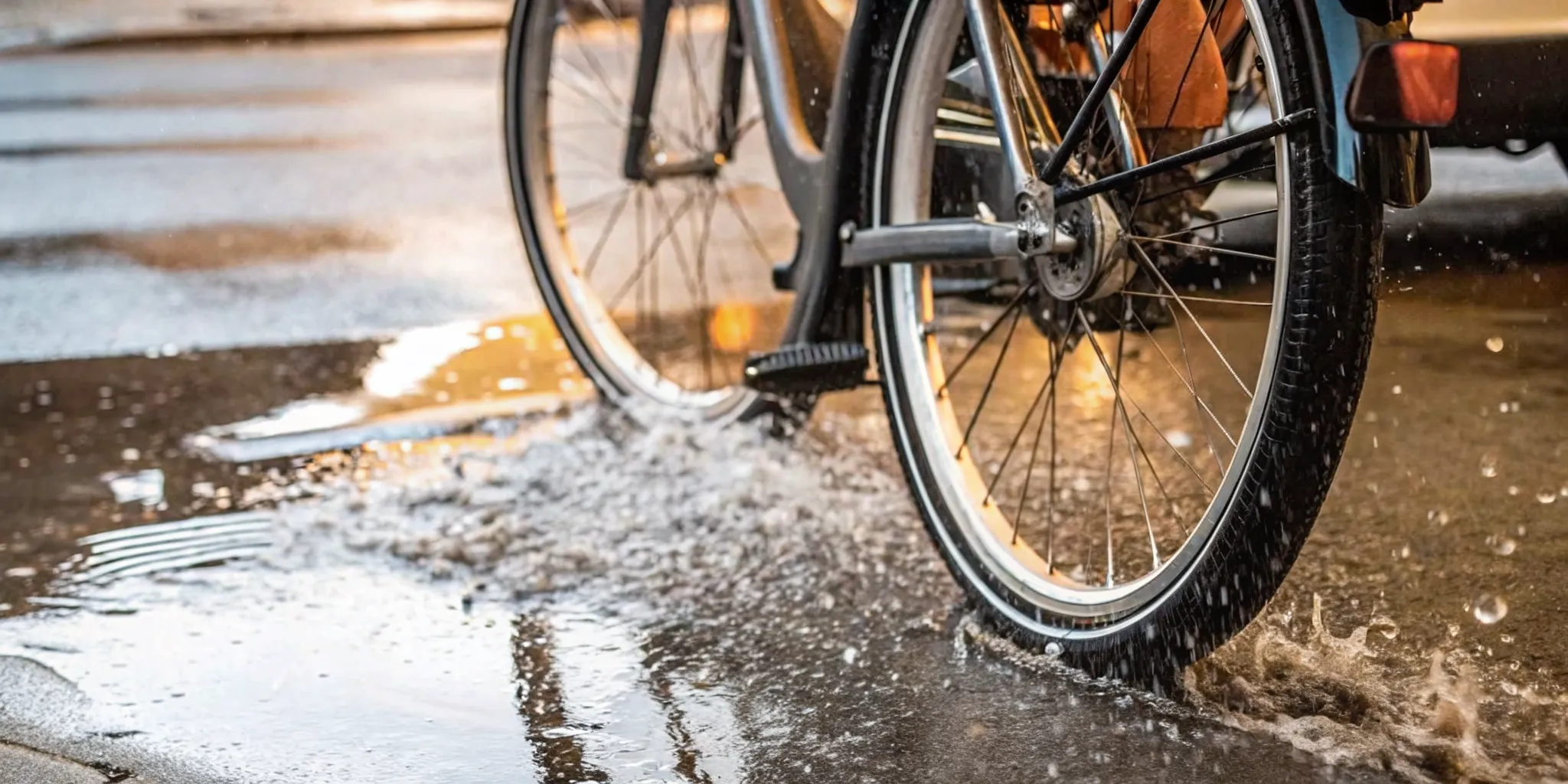
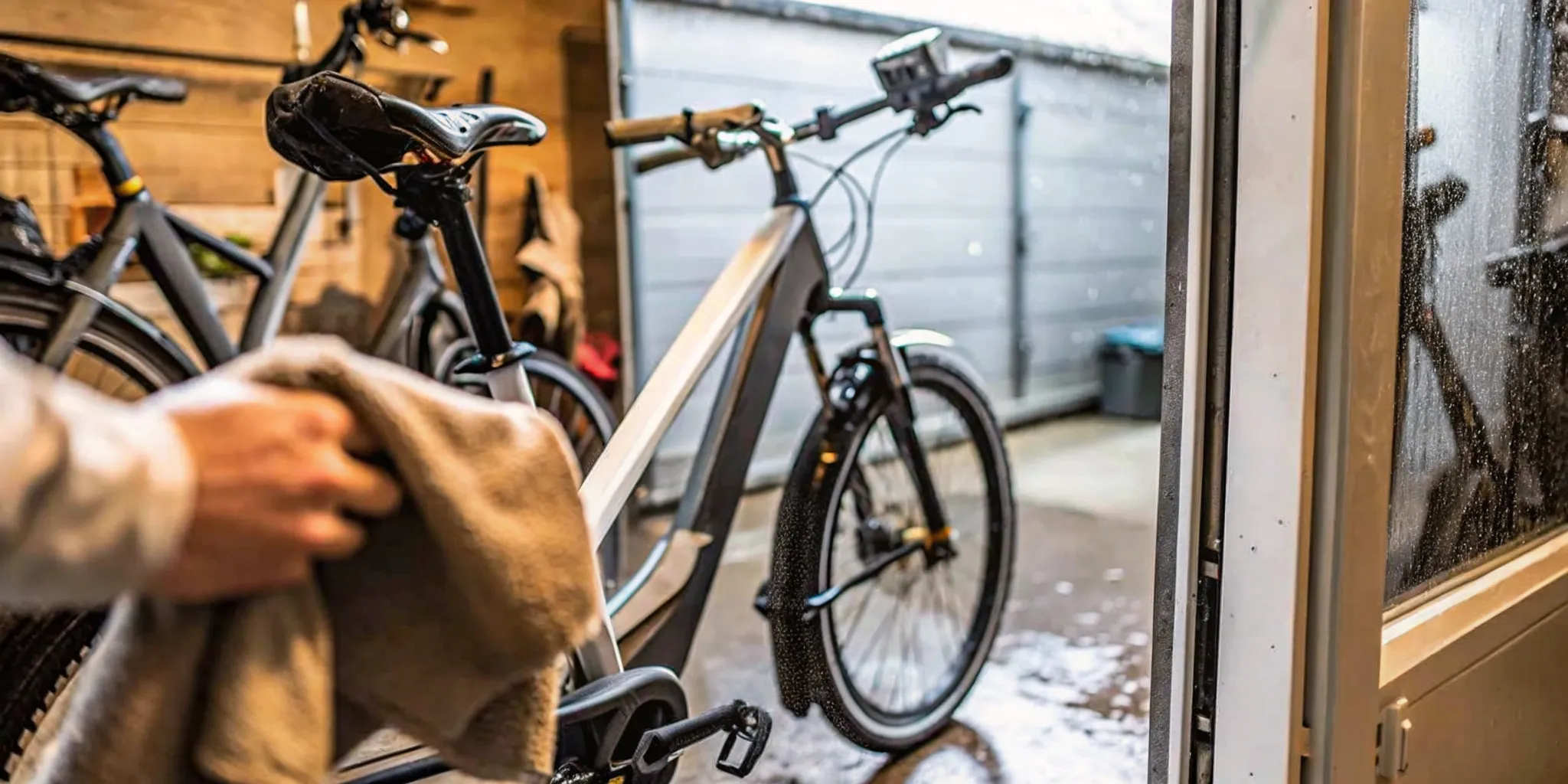
Wet roads in Central Oregon require safety rules to protect both the rider and the vehicle motor. A sudden rain shower in Bend can turn a smooth morning commute into a dangerous trip. Staying safe means knowing how to handle slick pavement and how to keep your battery dry.
You can safely ride electric bike in rain if you follow safety rules and maintain your gear. Most modern e-bikes have water resistant parts, but they are not fully waterproof, meaning deep puddles and high pressure washing can still cause damage. Safety starts with knowing your bike's IP rating, which tells you how much moisture the motor and battery can handle before failing. Riding on wet roads also changes how your bike handles, often increasing your stopping distance by a large margin.
Ride Electric Bike In Rain: Understanding IP Ratings: What Water Resistance Means for Your E-Bike
IP ratings tell you how well your e-bike resists water. A rating of IPX4 or higher means the bike can handle splashing water, while IPX6 offers protection against heavy rain. Seals and gaskets keep moisture out of the motor and battery, but even the best protection has limits.
When you ride your electric bike through a sudden storm in Bend, you need to know how well your bike can handle the wet. Most quality e-bikes use an Ingress Protection (IP) rating to show how well they resist water and dust. This code tells you exactly what kind of wet weather your motor and battery can survive. You should look for a rating of IPX4 or higher on any bike you plan to use in the rain.
Breaking down IP code numbers
The IP code has two numbers that follow the letters. The first number shows how it stops solid things like dust. The second number is about water. If you see an "X" in the first spot, it means the bike has not been tested for dust. For water, the ratings go from zero to nine. Most e-bikes from Segway and other top brands fall in the middle of this range to protect the most vital parts.
IP Rating Comparison Table
| IP Rating | What It Means | Safe for Rain Riding? |
|---|---|---|
| IPX4 | Protected from splashing water from any direction | Yes - light to moderate rain |
| IPX5 | Protected from low-pressure water jets | Yes - heavy rain |
| IPX6 | Protected from high-pressure water jets | Yes - extreme rain |
| IPX7 | Protected from temporary immersion (1m, 30min) | Not for riding - emergency only |
An IPX4 rating means your bike can handle water splashes from any side. This is the best base level for riders who stay on paved roads. If your bike has an IPX5 rating, it can resist low-pressure water jets. Higher ratings like IPX6 protect against strong water jets. While IPX7 means a part can stay under water for a short time, you should never sink your e-bike. Most Segway electric bikes and scooters use these rules to keep you moving through light rain.
Water-resistant versus waterproof
It is vital to know that "water-resistant" does not mean "waterproof." Most e-bikes are built to shed rain while you ride. But they are not made to be underwater. Seals and gaskets help keep the rain out of the motor and battery tray. A well-built battery pack case must protect your parts from water and shaking to keep the system safe. This is why you must avoid deep puddles that could reach the motor hub or battery box.
You must also know that IP tests use fresh water. Salt from winter roads or soap from a wash can damage the seals over time. These liquids can creep past seals that fresh water cannot get through. If you ride on salty roads, you should wipe your bike down with a damp cloth as soon as you get home. Keeping the seals clean and soft is a key part of regular electric bike maintenance at our Bend shop.
Maintenance for sealed electronics
Even with a high IP rating, you must treat your e-bike with care to keep the seals tight. One of the biggest risks is using a high-pressure power washer to clean your bike. These tools can force water past even the best gaskets. Instead, use a low-pressure hose or a bucket of water and a soft brush. This protects the delicate sensors and the screen from water damage that could break your warranty.
- Check the rubber caps on your charging ports before every ride to make sure they are closed.
- Inspect the seals around your battery and motor once a month for cracks or dirt.
- Dry your bike with a soft towel after any wet ride to keep water from sitting on the seals.
- Use a special grease on plugs if you ride in wet weather often to stop rust.
At Voltaire Cycles of Oregon, we see many riders who enjoy the local trails and roads all year. We can help you check your bike's seals and show you how to keep your ride safe. If you have questions about a certain model, stop by our Bend showroom for a test ride and a chat with our tech team. We can help you find a bike that fits the wet conditions of the Pacific Northwest.
How Does Wet Weather Affect E-Bike Braking and Traction?
Wet roads reduce tire grip and increase stopping distance by up to 40 percent. Lower tire pressure by 5 to 10 PSI for better traction, brake gently and early, and avoid leaning hard into turns. Road paint, metal covers, and wet leaves are especially slippery.
Riding a Segway electric bike in the rain changes how your tires grip the road. Water on the path acts like oil, which lowers the friction you need to stay in control. Because wet roads have less grip, your stopping distance can grow by up to 40 percent compared to dry days. This shift means you must change your habits to stay safe on the streets of Bend.
Braking distance and timing
When you ride electric bike in rain, your brakes need more time to clear water before they grab well. Based on data from the Washington State Department of Transportation, you should leave extra room to stop because brakes do not work as well when they are wet. Start to slow down much earlier than you would on a dry day to account for this lag.
Use your brakes with a gentle, steady squeeze rather than a fast pull. Quick force can cause your wheels to lock and slide on slick ground. The City of Portland says you should brake early and often while keeping a firm grip on your bars. If you ride through a deep puddle, tap your brakes a few times to help clear away water and check their feel.
Traction and tire pressure
Tires are your only point of contact with the ground, so keeping traction is a must. To get a better grip on wet roads, you can drop your tire pressure by about 5 to 10 PSI below your normal setting. A softer tire creates a larger touch point with the road, which helps stop slides. But do not let out too much air. The Portland Bureau of Transportation notes that tires with too much or too little air reduce control on wet roads.
Safe cornering in the rain
Turns that feel safe in the sun can lead to a fall in the rain. Do not lean your bike far when you turn on wet roads. Keep the bike as upright as you can and take a wider path through turns to stay steady. You should also watch out for road paint, metal covers, and wet leaves, as these get very slick when wet. If you see any issues with your stopping power, you may need expert e-bike service in Bend to check your brake pads and tire tread.
Battery and Motor Protection: What You Need to Know
Modern e-bikes use sealed motors and gasketed battery trays to block water. Most have an IP55 rating or higher. Never ride through deep water that could cover the motor hub. After every wet ride, wipe the battery contacts dry and store the bike indoors to prevent corrosion.
You can safely ride an electric bike in rain because most models use sealed parts. Quality brands like Segway build their bikes with gaskets and tight seals. These shields keep water away from the motor and the wire ports. A good regular electric bike maintenance plan helps you check these seals for cracks. When the seals stay soft and whole, they block out the Central Oregon rain. Most bikes have an IP55 rating or higher. This rating means the bike can handle a steady spray of water. It keeps the gear safe from harm during a storm.
How E-Bikes Block Water
Modern e-bikes use tough covers to protect the brain of the bike. The motor sits in a metal case that uses O-rings to stop leaks. These seals work like the ones on a scuba mask. They let you ride through light rain without fear. Check the seals once a month for wear. If you see a gap in a seal, water can creep in and corrode the small parts inside the motor. This simple check keeps your bike running well for years.
Deep Water and Submersion Risks
While rain is fine, deep puddles can cause big trouble for your bike. Never ride through water deep enough to cover the motor. If the battery port goes under water, it can short out the system. If your bike gets submerged, stop and turn off the power at once. Let the bike dry completely before turning it back on to prevent a fire or failure. Always go around deep puddles rather than risk your ride.
Post-Ride Care and Storage
After you finish a wet ride, you should take a few minutes to care for your battery. Use a soft towel to wipe the battery case. Pay close attention to the metal pins where it connects to the bike. Wet pins can rust or cause power issues. Keep them clean and dry for a good electrical connection.
Be careful when you carry your bike on a car rack in the rain. Wind can push water into small gaps at highway speeds. Remove the battery before mounting the bike on an outside rack. This protects the charging ports from moisture. Store the battery in a dry spot inside your home when not in use.
What Gear Do You Need to Ride an E-Bike in the Rain?
Safe wet-weather riding starts with fenders, bright LED lights, a clear screen cover, and waterproof clothing including a rain jacket, pants, and helmet cover. High-visibility gear helps drivers spot you from 160 meters away instead of just 25 meters in dark clothes.
Safe riding starts with the right tools. When you ride electric bike in rain storms, you need gear that shields you and the bike. Good gear keeps you dry, seen, and in control on wet roads in Bend.
Protective parts for your bike
Fenders are the best add-on for wet weather. These guards block water and grit from hitting your motor and battery. Road dirt can build up in moving parts without fenders. Keeping these parts clean is a big part of essential electric bike care during the wet months.
You should also shield your screen. While most screens handle light rain, heavy storms can push water into the seals. A simple clear bag over the screen acts as a cheap and good rain guard. This small step helps keep water away from the wires and pins.
Visibility and safety gear
Seeing and being seen is vital when clouds roll into Central Oregon. Use bright LED lights on both the front and back of your bike. Rain and mist make it hard for drivers to see you. Data shows that drivers can spot riders in bright gear from 160 meters away, but they may only see dark clothes at 25 meters. This big gap makes bright vests or coats a must for every trip.
Safe stops also depend on your skill and tires. Wet roads can add up to 40 percent to your stopping distance (Washington State Department of Transportation). Because of this, you should brake early and keep a firm grip on your bars. Tapping your brakes after you hit a puddle can help clear water from the pads (City of Portland).
Keeping the rider dry
Rain gear keeps you warm and helps you stay sharp. Wet skin loses heat fast, which can lead to stiff muscles and slow moves. Look for a rain coat and pants that let air in so you do not get too hot. Helmet covers and gloves also help keep your head and hands dry on long rides.
Shoes are also key for comfort. Waterproof shoes or boot covers stop water from soaking your socks. When your feet stay dry, you have better control of the pedals. This help for your body lets you stay alert to cars and road risks when it rains.
Post-Ride Care: Step-by-Step After Riding in the Rain
After a wet ride, wipe the frame dry within 10 minutes, remove the battery and dry its contacts. Clean and lube the chain with wet-weather lubricant, check brake pads for accelerated wear, and store the bike indoors. These five steps prevent rust and corrosion.
Central Oregon weather can change fast. If you get caught in a storm, your work is not done when you get home. Wet roads kick up grit and grime that can wear down your parts fast. Taking ten minutes to clean your bike will keep it safe and save you money on big repairs later.
Dry the frame and parts
The first step is to wipe down your entire bike. Use a clean, dry cloth to remove water from the frame, handlebars, and seat. This stops rust and keeps dirt from getting into the small gaps. Pay close attention to the chain and gears. Even a small amount of damp grit can act like sandpaper on these moving parts. If you often ride in the wet, regular electric bike maintenance will help your ride last longer.
Protect your battery and motor
Most quality e-bikes handle rain well, but the battery and motor still need care. Remove the battery and use a soft towel to dry the housing and the metal contacts. If your battery was ever submerged in deep water, you must let it dry fully before you turn the power back on. According to the City of Portland, keeping your electrical parts dry is key to a safe ride. Never use a high-pressure hose to wash your bike. The strong spray can push water past the seals and damage your motor.
Steps for post-ride care
Following a set path after every wet ride will protect your investment. Here is how to handle your e-bike after riding in the rain.
- Wipe the frame. Use a rag to dry the bike frame and all mechanical parts within ten minutes of finishing your ride.
- Clean the battery area. Take out the battery and dry the area around the mount and the display screen to stop moisture buildup.
- Lube the chain. Clean the chain with a degreaser if it is very dirty, then apply a wet-weather lube to keep it smooth.
- Check the brakes. Inspect your brake pads for wear, as wet roads can make them wear out much faster than dry ones.
- Store it dry. Put your bike in a warm, dry place like a garage or shed to let any hidden moisture evaporate.
Service your bike in Bend
Even with good home care, your e-bike needs expert eyes now and then. Rain and mud can hide wear that is hard to see. Our team in Bend can check your seals and grease your bearings to keep you on the road. You can book expert e-bike service in Bend to ensure your bike is ready for the next rainy day. Taking these small steps now will prevent large service bills in the future.
When Should You Skip Riding Your E-Bike in the Rain?
Avoid riding in deep water that could reach the motor hub, freezing temperatures that create black ice. High winds that reduce control, thunderstorms with lightning, and on wet trails that could be damaged by tire ruts. Knowing when to stay home protects both you and your bike.
You can often ride an e-bike in the rain with the right prep. But some days are just too risky for you and your bike. Safe riding means knowing when to stay home. Severe weather can hurt your motor or lead to a bad fall. In Central Oregon, our weather can change fast. You should always check the sky before you go out.
Avoid Deep Water and Floods
Most e-bikes can handle light rain or small splashes. But you must avoid deep water that could reach the motor or battery. If water gets inside these sealed parts, it can cause a short circuit. You should never ride through floods or deep puddles. If your bike goes under water by mistake, do not turn the power on. You must let the bike dry out fully first. This helps prevent a fire or a dead motor.
If you have a Segway e-bike, it has good seals. But even the best seals have a limit. Deep water puts too much pressure on those seals. It is much better to take a new path than to risk a big repair bill. Keeping your bike dry is the best way to make sure it lasts for a long time.
Freezing Temps and High Winds
Cold rain can quickly turn into ice on the roads. In Bend, black ice is a big threat during the winter. If the air is near freezing, you should think twice about your trip. Ice makes it very hard to stop or turn. The City of Portland says you should check your tires often. This helps you have enough grip for wet or slick streets. Proper tire pressure is key for your safety.
High winds also make wet rides less safe. Rain can blur your vision, and strong gusts can push you toward cars. If the wind is strong enough to move your bike, it is time to stop. You want to stay in control at all times. Heavy storms with lightning are also a big risk. Metal bikes and tall trees do not mix well when lightning is near. It is safer to wait for the storm to pass.
Local Trail and Road Safety
In Central Oregon, we have great trails, but rain can damage them. If it has rained a lot, the mud becomes soft. Riding on wet trails can leave deep ruts. This ruins the track for all. Many local groups ask riders to stay off the dirt after a storm. It is better to stick to paved paths until the ground is dry. This helps keep our outdoor spaces in good shape.
If you are not sure if your bike is safe to ride, you can get expert e-bike service in Bend. Our team can check your seals and brakes to make sure they are ready for the rain. We can also help you find the right gear to stay dry. Safety is always more important than a single ride. Knowing your limits will help you enjoy your e-bike for years to come.
Frequently Asked Questions
How much does rain increase the stopping distance of an electric bike?
Rain can increase your total stopping distance by about 40 percent compared to dry roads. This happens because water lowers the friction between your tires and the pavement. Brake pads also need extra time to clear water before they grab, so you should start braking much earlier than you would on a dry day.
What IP rating does my e-bike need for safe rain riding?
You should look for an IPX4 rating or higher for safe rain riding. IPX4 protects against splashing water from any direction, which works well for light to moderate rain. IPX5 and IPX6 offer protection against water jets, making them suitable for heavy rain conditions. Most quality e-bikes from brands like Segway carry at least an IPX4 rating on their key electrical components.
Can I use a pressure washer to clean my e-bike?
No, you should never use a high-pressure power washer to clean your e-bike. The strong spray can force water past the seals and gaskets that protect your motor and battery. Instead, use a low-pressure hose or a bucket of water with a soft brush to clean your bike safely. This protects the delicate sensors and the display screen from water damage.
Do I need to remove my e-bike battery before riding in the rain?
You do not need to remove the battery before riding in the rain. Most e-bike battery housings have seals that protect the contacts from splashing water. However, you should remove the battery before mounting the bike on an exterior car rack in the rain. As wind can force water into small gaps at high speeds.
Is it safe to ride an electric bike on wet trails in Central Oregon?
You should avoid riding on wet dirt or mud trails in Central Oregon. Rain softens the ground, and bike tires can leave deep ruts that damage the trail surface. Many local trail groups ask riders to stay off dirt paths after heavy rain. Stick to paved roads and bike paths until the ground dries out. For trail-ready e-bikes built to handle varied terrain, explore the Segway e-bike collection at Voltaire Cycles of Oregon.
Ready to Ride Safely Through the Rain in Central Oregon Today?
Riding an electric bike in the rain does not have to be risky when you have the right knowledge and preparation. From understanding your bike's IP rating to choosing the right gear and following a proper post-ride care routine. Every step you take protects your investment and keeps you safe on Bend streets and Central Oregon roads.
Call Voltaire Cycles of Oregon in Bend today to schedule your e-bike safety check. Our expert technicians will inspect your seals, test your brakes, and help you find the right gear for Pacific Northwest riding. Whether you need a new set of fenders or a full bike service, we are here to keep you rolling through every season.