

Off Road Electric Bike Buying Guide
Shopping for a bike that handles the wild is different from picking a city cruiser. You must understand which parts keep you moving when pavement ends and rocks begin. Start by learning what makes an off road electric bike trail-ready.
Explore the Segway collection to compare capable electric bikes for your next adventure.
What makes an off road electric bike trail-ready?
A trail-ready off road electric bike combines controlled motor assistance, durable construction, dependable brakes, appropriate suspension, and tires suited to loose surfaces. Its geometry and balanced weight should help the rider steer over rocks, roots, dirt, and steep grades while maintaining traction and confidence away from pavement.
Pedal assist vs. electric dirt bikes
It is vital to know the gap between an e-bike and a dirt bike. Most trail-ready e-bikes use pedal assist. This means the motor only kicks in when you move the pedals. This keeps the ride feeling like a bike, not a small car. Electric dirt bikes often have a throttle that does all the work. Because they work like bikes, many parks allow them on trails where cars and dirt bikes cannot go. The National Park Service notes that e-bikes can help riders who might struggle with steep hills or long distances.
The build: Motors and shocks
To handle the wild, these bikes need the right parts. A mid-drive motor is often the best choice for trails. It sits near the pedals and keeps the weight low. This helps the bike stay balanced on bumpy ground. Good shocks are also a must. They act like a spring to soak up hits from rocks and roots. This protects your body and keeps the tires on the ground. You should look for a bike with front and rear shocks for the most comfort.
- Mid-drive motors sit low on the frame to help with balance.
- Full shocks soak up bumps and keep your tires on the dirt.
- Strong brakes provide stop power even on steep, wet hills.
At Voltaire Cycles of Oregon, we suggest purpose-built trail electric bikes for those who want to tackle the roughest paths in Bend. These bikes are tested to meet the needs of our local terrain.
Traction and frame strength
Tires are what connect you to the trail. Off road bikes use fat tires with deep treads. These tires grip loose dirt and sand so you do not slide. They also run at low air pressure to provide a smoother ride on gravel. The frame of the bike must be strong too. It needs to hold up under the weight of the motor and battery while taking hits from the trail. A stout frame ensures the bike lasts for years of fun. This makes them a smart pick for staying fit while exploring the great outdoors.
Match the bike to trails, gravel, and ranch roads
The best off road electric bike matches its tires, suspension, motor, and battery to the surfaces you ride most. Narrow singletrack rewards agile handling, gravel favors efficient tires, and loose ranch roads often benefit from wider rubber. Choosing for your regular terrain improves comfort, control, range, and long-term durability.
Before you buy, think about the paths near your home. Do you see mostly dirt or paved trails? Will you ride in the woods or across open fields? Your answers will lead you to the right motor and tires. Learning practical electric bike buying guide saves you time and money.
Singletrack and narrow mountain trails
When you ride on tight trails, you need a bike that moves well. These paths often have rocks, roots, and sharp turns. A dedicated trail-blazing electric bike works best here. It has a slim frame and good balance. You want a mid-drive motor for these areas. This keeps the weight low and in the middle of the bike. It helps you steer through tight spots without feeling heavy.
Good suspension is also a must for mountain trails. It soaks up bumps so your body does not get tired as fast. Tests show that pedal-assist mountain bikes give you a good workout. They act like a regular bike but help you go further on steep hills. Look for a fork with plenty of travel. This will handle the rough parts of the path and keep your tires on the ground.
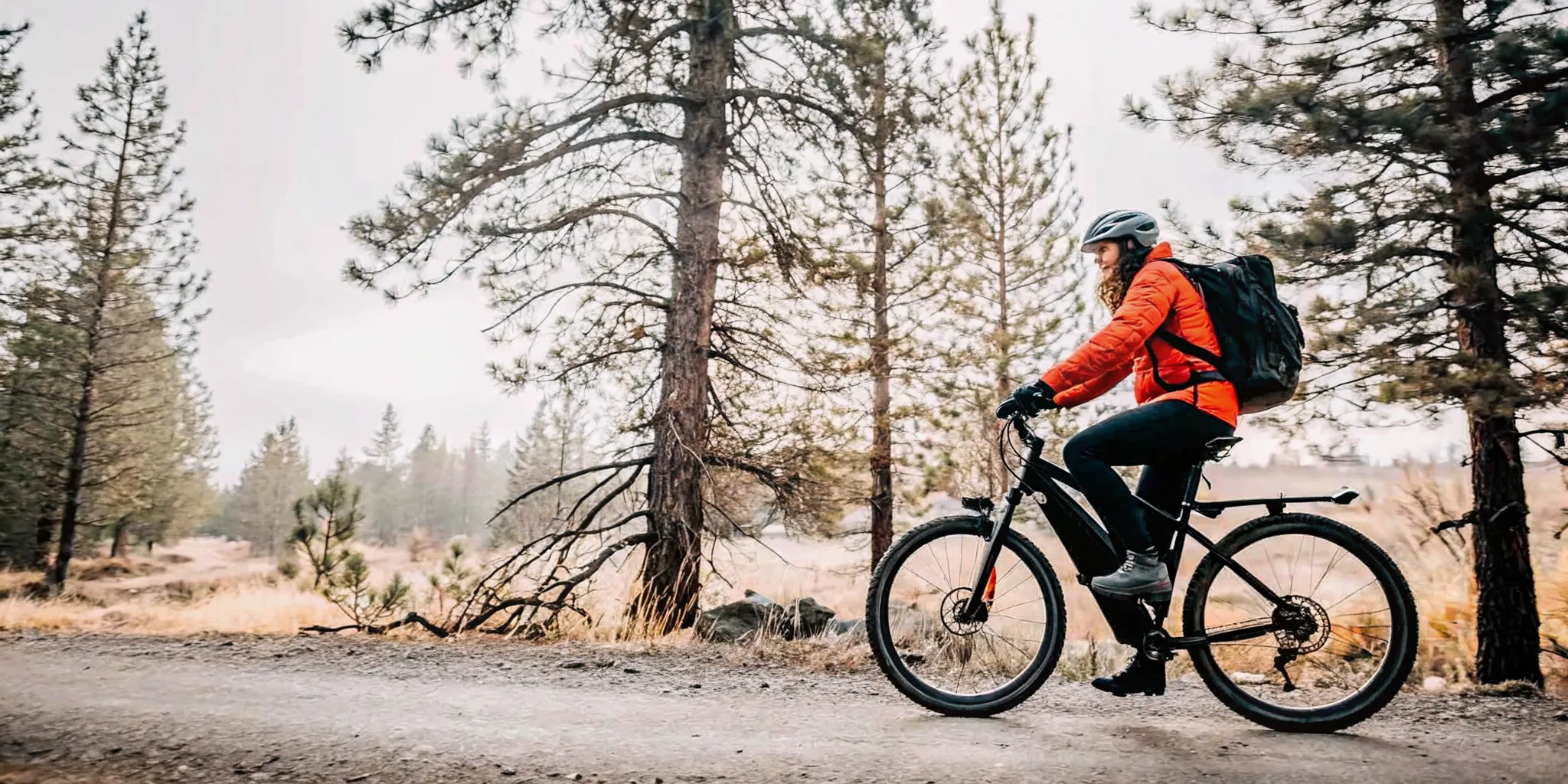
Gravel roads and wide ranch paths
Ranch roads and gravel paths are often flatter but can be rough. For these trips, comfort is key. You should look for fat tire bikes built for rough roads to smooth out the ride. Large tires act like cushions. They also give you more grip on loose rocks and dirt. This extra grip helps when you go fast on straight roads.
These roads can stretch for many miles across the high desert. A bike with a big battery lets you explore without fear. You will not have to worry about running out of power far from home. The National Park Service says e-bikes make travel easier for more people. This is true on long roads where wind can make riding hard. A steady motor helps you keep a good pace all day long.
Sand and loose volcanic soil
Oregon has lots of soft sand and volcanic ash. This ground can trap thin tires and stop your bike. To stay on top of the soil, you need wide tires. Fat tires that are four inches wide are a great choice for sand. They spread your weight out so you do not sink into the soft earth. Low tire pressure can also help you float on top of the ash.
You also need a strong motor to push through deep soil. A motor with high torque helps you keep your speed when the ground gets soft. Without enough power, your wheels might spin in place. Always check if bikes are allowed on the path you want to use. Many park rules change by spot. Read the signs at the start of the trail to be sure you are in the right place.
| Terrain Type | Best Tire Choice | Key Feature |
|---|---|---|
| Singletrack | 2.4 to 2.6 inches | Agile handling |
| Gravel Roads | 2.0 to 2.2 inches | Low rolling resistance |
| Ranch Roads | 4.0-inch Fat Tires | Max comfort |
| Loose Sand | 4.5-inch+ Fat Tires | Float and grip |
How much motor and torque do you really need?
Most trail riders need smooth, controllable torque more than extreme top speed. A motor that delivers power predictably helps maintain grip on steep, rocky, or soft ground. The right output depends on rider weight, terrain, bike class rules, and climbing demands, so test how the assistance feels before buying.
Why motor placement matters
For trails and ranch roads, the spot where the motor sits makes a big change. Hub motors in the wheel are simple, but mid-drive motors are best for tough climbs. A mid-drive motor sits at the pedals and works with your chain and gears. This setup gives you better balance and more force for steep grades.
If you want to see how these bikes handle, you can learn match an e-bike to local terrain for your local terrain. Experts often choose mid-drives for climbing because they boost power and torque on steep hills. This spot also keeps the weight low and centered on the frame.
Torque and power delivery
Torque is the force that turns your wheels. While speed helps on flat roads, torque helps an off road electric bike go up hills. A high-power motor often gives 750 watts to 1000 watts of power. This range ensures you have enough push to handle loose dirt or sand.
Torque is measured in Newton-meters. Most off-road motors provide between 60 Nm and 90 Nm of torque. This is plenty for active adults who want to explore special trail-blazing electric bikes without tiring out too fast.
Some heavy-duty electric mountain bikes even feature motors with up to 4000 watts. These bikes are mostly for private land or closed tracks. For most trail riders, 750 watts is plenty to reach the top of any peak.
Sensing and control
How the bike feels when you pedal is also key. A torque sensor measures how hard you push the pedals and gives you help that feels smooth. This makes it easier to keep your balance on technical paths. A cadence sensor just checks if the pedals are moving.
A torque sensor allows you to control the bike with your own leg power. If you push hard, the motor gives more help. If you ease off, the motor slows down. This level of control is vital for handling rocks and roots without wheel spin.
The National Park Service notes that these motors should only help your own pedals to keep rides safe for all. Large motors also need strong hydraulic brakes to stop safely on fast descents. Always check the rules for your local park before you go out.
This helps keep trails open for all riders and protects the land. Good gears and brakes will help you manage all that power on the trail. You want a bike that feels like a part of your own body.
Compare Segway electric mobility options with local guidance before planning your next trail ride.
Plan battery range for backcountry rides
Backcountry battery planning starts with route distance, elevation gain, surface conditions, weather, rider weight, and assist level. Published range is only an estimate because steep climbs and loose ground demand more energy. Start fully charged, keep a reserve for the return, and choose a battery sized for your hardest regular ride.
Check your battery size
For an off road electric bike, a battery near 17.25Ah can help you finish a trip of 50 miles or more. Some top models even have 960Wh packs that reach up to 80 miles in the best spots. When you look at compare e-bike features for your ride, think about your goal. A short loop near town needs less power than a full day on the ranch. Expert riders often look for mid-drive motors because they use the battery with more care than hub motors on steep hills.
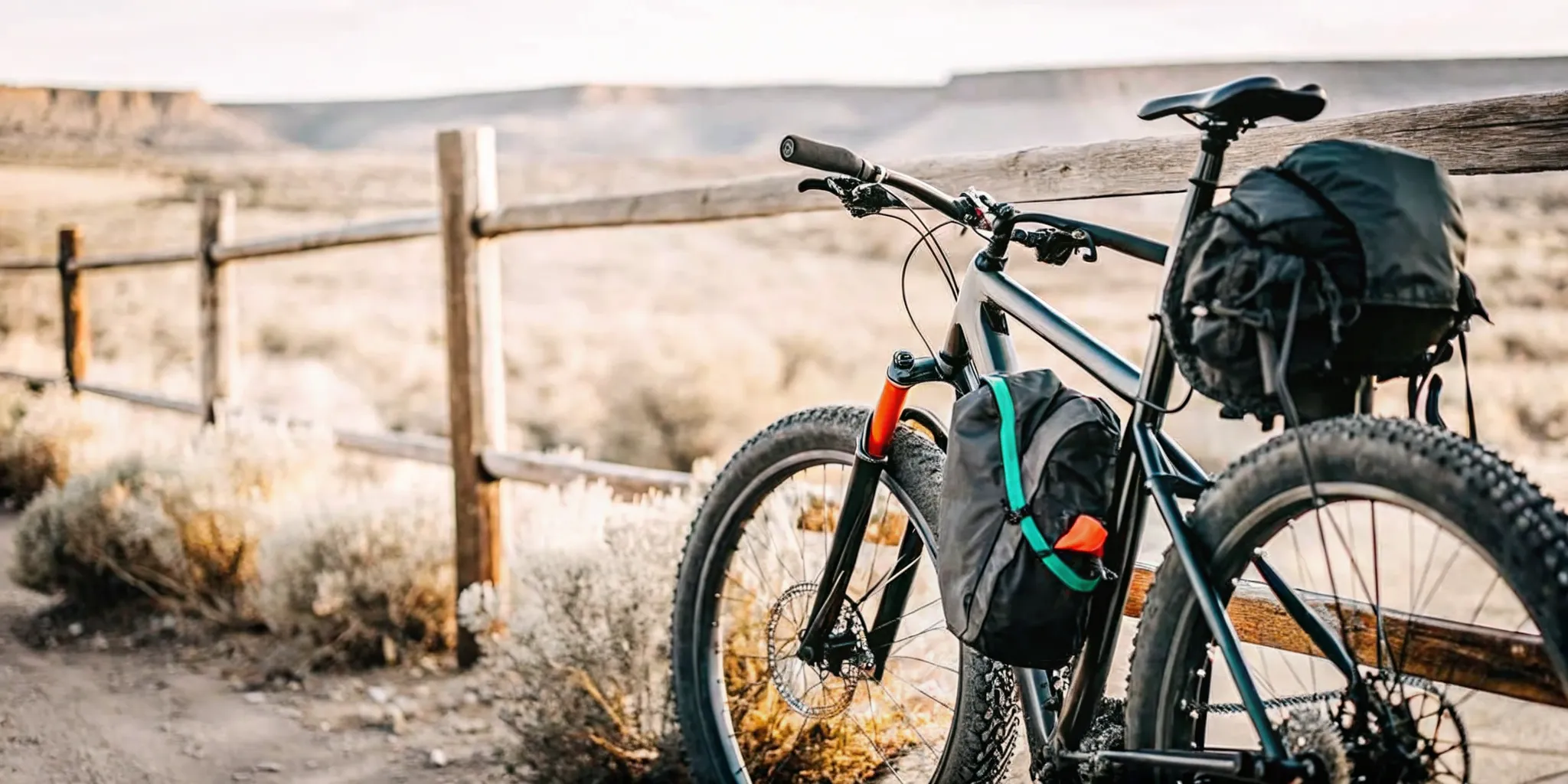
Factor in trail conditions
Real-world range is rarely the same as the lab test results. Steep peaks, soft sand, and deep gravel will pull more energy from your motor. Your own body weight and the gear you carry also change how far the bike can go. It is wise to check local park rules before you leave. These sites show where you can ride and if there are charging spots near the trail.
Tires play a large role in how much energy you use. Fat tires help with grip on loose dirt but can also add drag on flat paths. Using the right gear for the terrain helps the motor stay in its sweet spot. This saves volts for the ride back. If you plan to ride for the whole day, map out your path with care. Look for spots where you can rest while the bike picks up a few extra miles of charge.
Prepare for range variables
Cold air can drain a battery faster than a warm breeze. If you ride in the winter or at high spots, plan for a shorter trip. You might want to carry a spare charger if you have a place to plug it in at a stop. Picking the right pedal-assist level is the best way to save your power. It makes sure you have enough left to make it back to the trailhead. Always start your trip with a full charge from a standard household plug.
Prioritize traction, suspension, braking, and fit
Traction, suspension, braking, and fit determine whether an off road electric bike feels controlled on rough ground. Tires must suit the surface, suspension should manage repeated impacts, and hydraulic brakes should confidently slow the bike. Correct frame fit also lets the rider shift weight, steer precisely, and dismount safely.
Tire width and tread patterns
Tires are the main point of contact between your bike and the trail. If you plan to ride in loose sand or deep mud, you need wide tires. Fat tires are often four inches or wider. They give the bike a larger footprint on the ground. This helps the bike float over soft spots instead of sinking. It also adds a lot of grip when you try to climb a steep hill or ride through loose rocks.
Wide tires offer several key perks for off-road riders:
- Better grip on loose gravel and dirt.
- More comfort on bumpy trails.
- Greater stability at low speeds.
- Lower risk of sliding in the mud.
Most off-road bikes use 26-inch or 29-inch wheels. Larger wheels roll over big rocks with ease, while smaller wheels are easier to turn. Pairing the right wheel size with wide tires will help you master any trail. Using a lower air pressure in wide tires can also make your ride much smoother. The tire acts like a small shock for the bike. It soaks up small bumps before they reach your hands. Many stable fat tire electric bike options use this tech to stay stable. You will find that big tires give you more confidence when you turn on a gravel road.
Suspension systems and braking power
A good suspension system is a must for rough trails. It absorbs the force from rocks and tree roots. Some bikes have shocks in the front, while others have them in both the front and back. A full suspension bike keeps your tires on the dirt more of the time. This helps you steer better and feel less tired after a long day. Tests show that pedal-assist mountain bikes give a great workout while helping you go much further than a standard bike.
Stopping is just as key as going fast. Electric bikes for the trail are often heavy. They can pick up speed fast on a downhill run. You should look for hydraulic disc brakes to stay safe. These brakes use fluid to push the pads, which gives you more stopping power with less effort. They work well even when they get wet or covered in mud. This firm feel lets you slow down with just one or two fingers. You will need this level of control when you ride down a steep or narrow trail.
Frame sizing and transport needs
The way a bike fits your body has a huge impact on how you ride. If the frame is too big, the bike will feel hard to turn. If the frame is too small, your legs may feel cramped. You should check the standover height to make sure you can get on and off easily. A good fit helps you shift your weight when you need to clear a jump or a bump. Finding the right size is a core part of select an e-bike for your range goals for your needs.
You also must plan for how you will get your bike to the trail. Many off-road models weigh 60 to 80 pounds once you add the battery and motor. This weight can be too much for many old trunk racks. You will often need a heavy-duty hitch rack for your car. Make sure the rack can hold the extra weight of an electric bike. This keeps your bike safe and stops it from falling off on the way to your favorite spot.
Use this off road electric bike buying checklist
Choosing the right off road electric bike is a big choice for any trail rider. You need a bike that can handle dirt, rocks, and steep hills without fail. A solid checklist helps you find a model that fits your body and your style.
You should think about where you will ride most often. Some riders want a bike for forest paths, while others need a machine for ranch work. Your bike should help you explore new areas with ease.
Many riders find that e-bikes increase their access to nature by helping with tough terrain. A good bike makes it easier to stay active as you age. When you use a checklist, you can compare different brands and models side by side.
Check the frame and motor
The motor is the most vital part of an off-road bike. Experts prefer mid-drive motors for steep climbs. These motors work with the bike's chain and gears to give you more torque.
A high-performance motor with 750W to 1000W of power is standard for dirt trails. Make sure the frame is strong but light enough for you to lift if you need to load it on a rack.
Test the suspension and brakes
Rough trails can be hard on both the rider and the bike. Full-suspension systems help you stay steady when you ride over roots or big rocks.
You should also look for wide-tire bikes for loose dirt and sand with tires that are 4 inches wide or more. These tires give you better grip on loose dirt and sand. Hydraulic disc brakes are also needed to stop a heavy bike quickly and safely.
Plan for local trail rules
Rules for e-bikes change based on where you plan to ride. Some public lands only allow Class 1 bikes that use pedal assist.
You should always check park websites to see where e-bikes are legal before you head out. Some parks may restrict bikes with throttles to protect the trails. Knowing the local rules helps you pick a bike that you can use in all your favorite spots.
- Sit on the bike to confirm the frame size fits your height.
- Test how the bike turns and stays upright at very slow speeds.
- Pull the brake levers to make sure the stop is smooth and firm.
- Ride up a steep hill to test the motor power and gear shifts.
- Measure the bike to see if it fits on your vehicle rack.
- Ask the shop about their repair and service plans for the brand.
A test ride is the best way to find your perfect match. You can feel how the bike reacts to your moves and how the motor kicks in.
If you still have questions on find the right frame and setup, talk to a pro. Our experts in Bend can show you the latest models and help you find the right fit. Taking your time with this checklist makes sure you pick a bike that you will love for years to come.
Check access rules and prepare for every ride
Before riding an off road electric bike, confirm which bike classes the land manager allows and inspect your equipment. Trail access rules vary by location, while rocks, mud, and sand can expose maintenance problems quickly. Checking the route, brakes, tires, battery, and essential gear supports a safer and more respectful ride.
Know your e-bike class and trail rules
E-bike classes help define where you can go on the trail. Class 1 bikes only have pedal assist and no throttle. Class 2 bikes have a throttle that can move the bike without pedal work. Some trails only allow Class 1 bikes because they act more like a standard bike. In U.S. parks, e-bikes are not allowed in named wilderness areas. Always look for local signs that list which classes are welcome on the path. Knowing these rules helps you avoid a ticket and keeps things calm on the trail.Ride with care and respect
Riding with respect keeps the trails open for the whole group. When you meet others, slow down and be kind. E-bikes can move faster than standard bikes, so your speed can surprise people. Yield to all other users, like hikers and those on horses. If you are unsure choose a suitable bike for group rides for group rides, talk to our staff. Being a good rider makes you a great part of the local scene and helps protect trail access for all.Check your gear before you go
Off-road paths are tough on your gear. Mud, sand, and rocks can get into your chain and motor. This is why you must check your bike before and after every ride. Look at your tire walls for cuts and make sure your battery is locked in tight. If you get caught in the rain, do not leave your bike wet. Wipe down the frame and check the plugs for dirt. Good care will make your battery and motor last for many years of fun on the dirt.Use local service for expert help
A local shop is your best friend when things go wrong. High-power bikes have parts that need expert hands to stay in top shape. We provide the care and fix the parts that off-road riders need to stay safe. From brake work to motor tunes, we handle the hard jobs. This lets you focus on the trail instead of your tools. Our Bend shop is here to keep your ride smooth and fast on every dirt path you choose to explore.Contact Voltaire Cycles of Central Oregon to arrange expert guidance and a test ride.
Frequently Asked Questions
Are e-bikes considered motorized vehicles?
Most regions do not label electric bikes as motorized vehicles if they follow power limits. However, the National Park Service notes that e-bikes are still restricted in wild areas set aside by law, just like standard bicycles. While they provide motor help, they are usually treated as bikes on most trails. Local park managers may still set their own rules to ensure visitor safety and protect the land.
How much does a good off-road electric bike cost?
A quality off-road electric bike usually starts around $1,500. High-power models can cost more than $6,000 depending on the motor, frame, and shocks. According to Voltaire Cycles, the price shows the quality of parts needed for rough trails. Cheaper bikes may lack the durable frames or strong brakes needed for steep hills and dirt roads. Buying a mid-range model often provides better battery life and steady motor power for heavy outdoor use.
Are electric bikes with throttle legal on trails?
Trail access for e-bikes depends on local rules and the bike class. Many trails allow Class 1 bikes that only help when you pedal. However, Class 2 bikes with throttles are often restricted in some areas. According to research from Voltaire Cycles, some parks only permit pedal-assist models to keep the trail safe for all users. You should always check with local land managers or park websites before you ride to ensure your bike is allowed.
What is the top speed of an electric dirt bike?
High-power electric dirt bikes built for off-road use can reach speeds of 50 mph or more. These fast models are mostly meant for private land or closed race tracks rather than public multi-use trails. As noted by Voltaire Cycles, these bikes provide a much different ride than standard trail models. Most trail-legal e-bikes are limited to 20 or 28 mph to comply with safety laws. Always verify where you can legally ride high-speed electric bikes before buying.
Ready to book a free consultation for your off-road bike?
The right off road electric bike should fit your body, regular terrain, transport setup, and local access rules. A guided comparison and test ride can clarify motor feel, braking, handling, and comfort before you buy. Voltaire Cycles of Central Oregon can help you compare practical options for Central Oregon adventures.
Ready to book a free consultation? Call 541 350 0669 to visit the Bend showroom or book a free consultation.