

Fat Tire Electric Bike: When Wide Tires Are Worth It
Fat Tire Electric Bike: When Wide Tires Are Worth It
Standard tires often struggle when paved paths turn into loose dirt or thick winter snow. A fat tire electric bike provides a stable footprint that keeps you upright, making it a practical choice for riders who want to explore beyond the pavement.
Visit the Bend showroom and book a fat tire electric bike test ride with Voltaire Cycles.
When is a fat tire electric bike worth it?
A fat tire electric bike uses wide, low pressure tires to improve grip on soft surfaces like sand or snow while keeping the rider balanced. Four-inch tires create a large contact patch that can soak up bumps and improve ride comfort. The extra weight makes these bikes harder to pedal without power, but motor assistance helps riders cross mud and thick gravel. Wide tires are most worthwhile for difficult terrain, year-round riding, and riders who prioritize stability over speed.
Choosing the right ride depends on where you plan to go. A fat tire electric bike is worth the cost if you ride on soft ground. It also works well if you want a smooth ride. These bikes use wide tires to float over ground that would stop a slim tire. While they are heavy, the extra grip and comfort make them a top choice for many riders in Central Oregon.
Mastering loose terrain
One main reason to buy a fat tire model is for riding on loose ground. These bikes excel on sand, deep snow, and soft mud. The wide rubber spreads the bike's weight over a larger area. This stops the wheels from sinking into the ground. It is a key feature for hunters and outdoor fans who explore rugged trails.
Research shows that rolling resistance changes based on the tire type and the surface you ride on. On soft ground, the broad surface of a fat tire helps you move forward more easily. It is often better than using a thin tire that digs in. If your goal is to ride all year, even in the snow, these bikes are often the best tool for the job.
Comfort and balance
Comfort is another big win for these models. The high volume of air in the tires acts like a built-in shock absorber. This helps soak up bumps from rocks or cracked streets. For riders who want to feel stable, the wide base offers better balance. It makes the bike feel more planted and less likely to tip or slide.
The way fat tire e-bike benefits riders is by giving a plush feel over raw speed. The wider surface area helps soak up shocks and keeps your weight low. This is great for older riders who want a more confident feel on the road. You can see how these bikes handle by going to our Bend showroom for a test ride.
Considering the trade-offs
You should also think about the downsides before you buy. Fat tires are heavy and can be hard to pedal if the battery runs out. They also have more drag on flat, hard roads. Smooth tires have about 21 percent less rolling resistance than knobby ones on paved paths. This means a slim-tire bike might go further on one charge if you only stay on the street.
Also, these bikes take up more space and might need a special car rack. They are big and bold, which some people love, but others find hard to store. If you mostly ride on smooth city paths, a standard e-bike might be enough. But if you want a bike for any path at any time, the extra weight is a fair trade. You get much more power and grip for your trips.
What wide tires change about the ride
A fat tire electric bike offers a different feel than a standard bike. The main change comes from the large surface area where the rubber hits the ground. This extra width helps the bike stay on top of soft surfaces like sand or snow instead of sinking in. It also gives the rider more grip on loose dirt or wet paths.
Better grip and balance
The wide tires on a fat tire electric bike provide more traction. Because more rubber touches the road, the bike feels stable and firm. This is very helpful for riders who want to feel safe on off-road trails or urban paths. A wide tire has better balance and a low center of gravity, which helps newer riders feel steady.
These bikes are not just for winter or sand riding. They work well all year for many types of trips. You can use them for city rides or rough trails. The improved traction and stability make them a good choice for people who want to explore new places without fear of slipping.
Smooth rides on rough ground
Wide tires act like a built-in shock absorber. They have more air inside than thin tires. This air helps soak up bumps from rocks, roots, or holes in the road. When you ride a fat tire e-bike, you feel fewer jolts in your hands and back. This leads to a much more comfortable trip, even on long rides through Bend.
Rolling resistance also plays a part in how the bike moves. Research shows that tire type and air pressure change how much energy it takes to move. While wide tires can have more drag, the electric motor helps you keep your speed. This means you get the comfort of a big tire without having to work much harder to pedal.
More rider confidence
The look and feel of a fat tire e-bike can make a rider feel more confident. The thick tires look strong and capable. For many people, this leads to higher confidence when they head out on a ride. Knowing the bike can handle a patch of mud or a bumpy curb makes the trip more fun and less stressful.
If you are not sure how a fat tire feels, you can visit a local shop. At Voltaire Cycles, we let people take test rides to check the handling of these bikes. Seeing how the bike turns and stops in person is the best way to know if it fits your needs. Our team can also help with service to keep your wide tires in top shape for years.
Fat tires vs standard tires
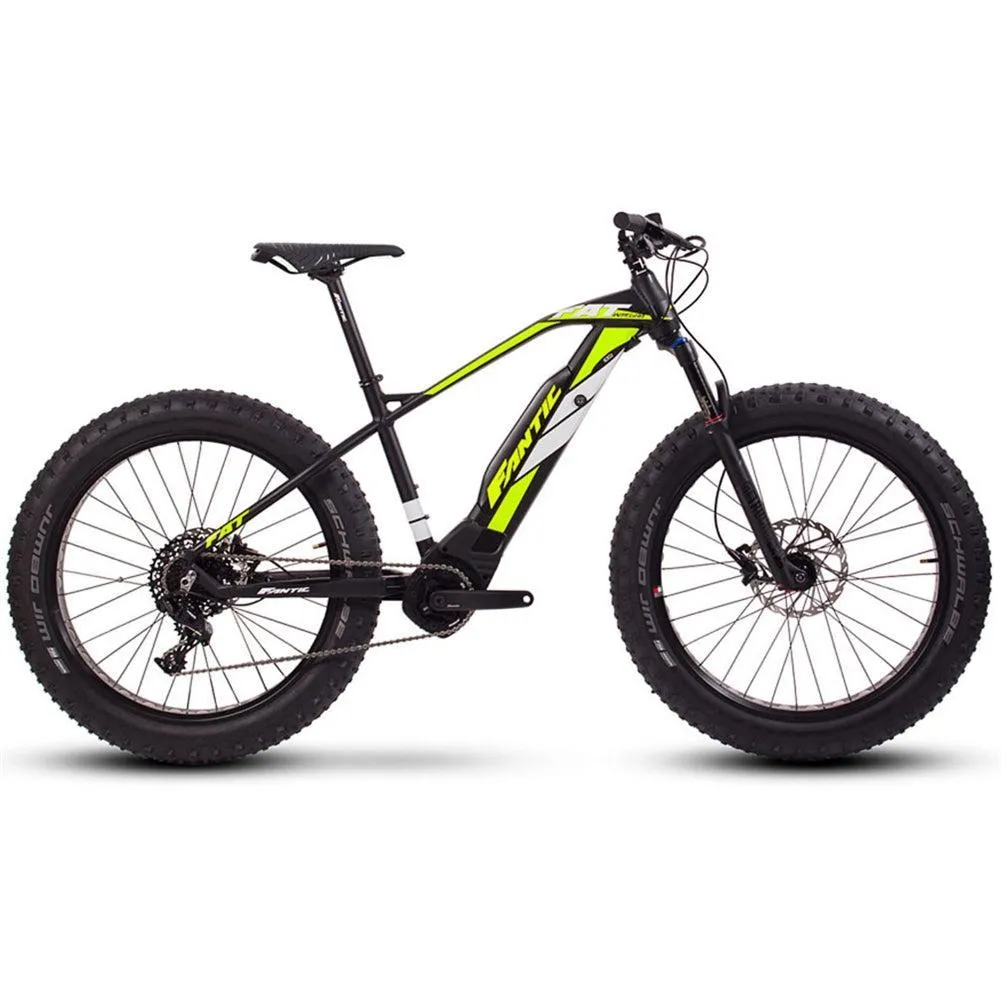
Picking the right tire is a big part of finding the best ride. The main difference between a fat tire electric bike and a standard model is the width of the rubber. Standard tires are often about two inches wide. A fat tire can be four inches or more. This extra size changes how the bike feels on the path. Wide tires offer a very different ride than thin ones.
Traction and Terrain Use
Fat tires are made for rough ground. They have a large surface that grips loose soil. This makes them the best choice for sand, deep mud, or snow. Standard tires work best on hard roads and city streets. They are thin and light, which helps them stay fast on flat paths. But if you want to explore the woods or ride on the beach, a fat tire e-bike is much better. Many riders choose wide tires to handle the loose dirt on local trails.
Rolling Resistance and Speed
How a tire rolls affects your speed and battery life. Thin, smooth tires have less drag on the ground. Research shows that smooth tires have less rolling resistance than knobby tires. This means standard tires use less power on the road. A fat tire electric bike needs more force to move because the tires are heavy and soft. You might see a small drop in range when you use wide tires. But the extra grip they give is often worth it for off-road fans.
| Feature | Fat Tires | Standard Tires |
|---|---|---|
| Best Terrain | Sand, snow, and mud | Roads and hard dirt |
| Ride Comfort | Great for bumps | Smooth but stiff |
| Weight | Heavy and stable | Light and agile |
| Grip | Best traction | Easy to roll |
| Car Racks | Needs wide trays | Fits most racks |
| Speed | Slower on roads | Faster on flat paths |
Ride Comfort and Balance
Comfort is a top reason to pick wide tires. Because they hold more air at a lower pressure, they act like a cushion. They soak up bumps from rocks or cracks in the road. This helps you stay in control and lowers the stress on your body. You can learn more about fat tire e-bike benefits to see if they fit your needs. Wide tires also give you better balance. A wide base makes it easier to stay upright at low speeds. This is very helpful for new riders who want a stable feel.
Weight and Transport Needs
Large tires add more weight to the bike. This can make the e-bike harder to lift or carry. You also need to think about how you will move it. Standard bikes fit on most car racks. A fat tire electric bike often needs a special rack with wide trays. Before you buy, check your current gear to see if it will work. If you need help with repairs or parts, our team has the skills to help. We offer full service and repair for all types of electric bikes in our Bend shop.
Best Central Oregon uses for wide tires
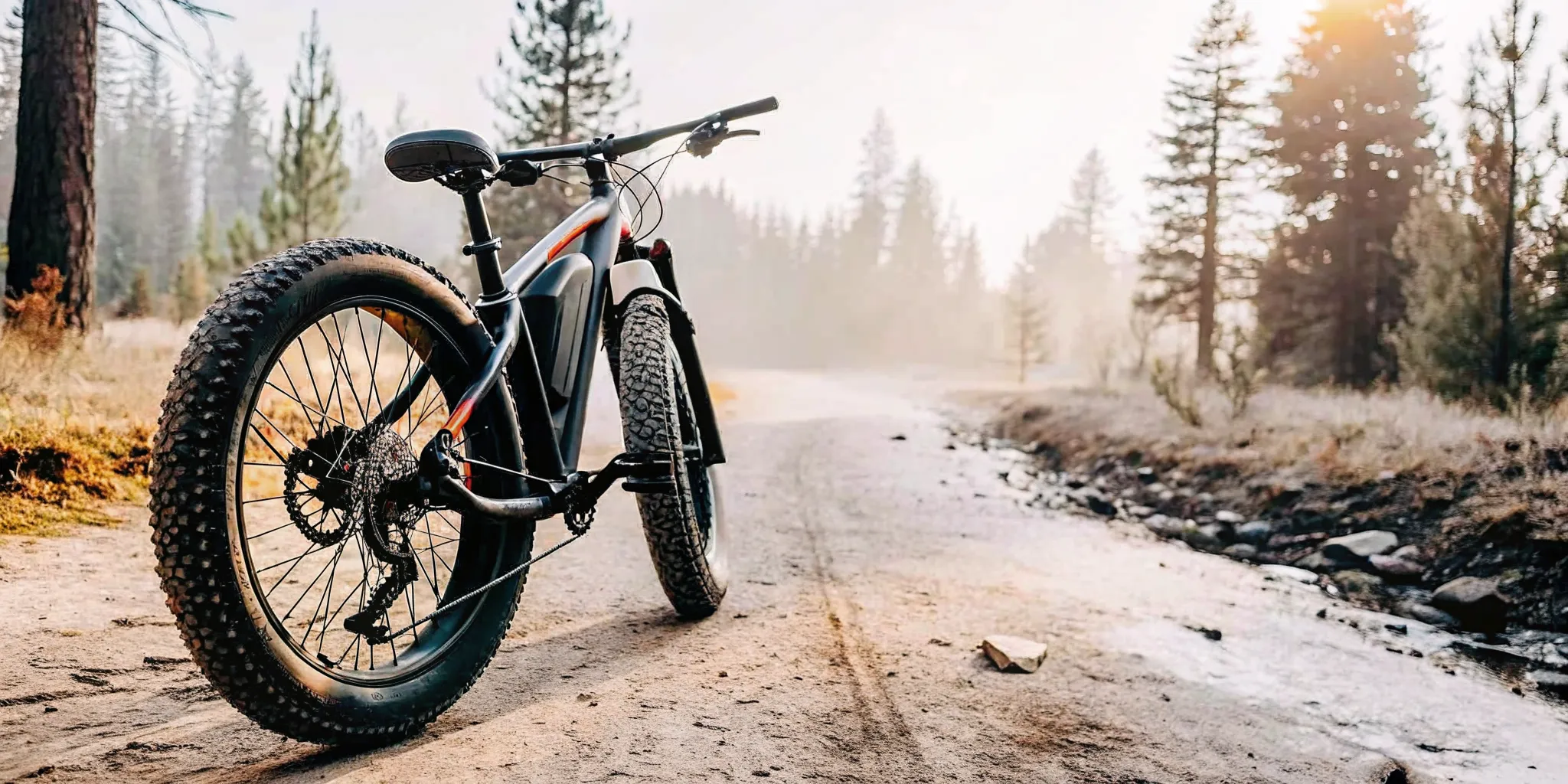
Bend and the rest of Central Oregon offer many fun places to ride. But some paths have soft dirt or loose rocks that can be hard to handle. A fat tire electric bike helps you stay safe and firm on these tricky spots.
These bikes use tires that are mostly four inches wide. This wide shape gives you a bigger mark on the ground. This helps you keep your balance when the trail gets rough or soft. It also makes the ride feel smoother on your back and arms.
Soft sand and desert trails
The high desert around Bend has a lot of soft, sandy soil. Normal bike tires often sink into this sand. This makes it hard to pedal and stay in control of the bike.
A fat tire electric bike solves this problem by spreading your weight. The wide rubber floats on top of the sand instead of digging deep holes. This is great for riding near river paths or on open desert paths. You will spend less energy fighting the ground and more time looking at the views.
Gravel roads and mountain paths
Central Oregon is full of forest service roads that lead to lakes and peaks. These roads often have deep gravel and washboard ruts. A thin tire can bounce around or slide on these loose rocks.
Wide tires provide a smoother feel. They act like extra shocks for your bike. Studies show that rolling drag is tied to your tire type and the ground surface. Large tires can handle bumps from rocks or roots without losing grip. This makes them a top choice for hunters or people who like to ride far from the main road.
Winter snow and mixed terrain
When snow falls in the Cascades, most bike riders stay home. But wide tires let you enjoy the snow in a new way. The large surface area helps the bike grab the snow so you can move forward.
You can even run your tires with less air to get a better grip on slick ice or soft slush. This keeps the bike stable and helps you stay upright. These bikes also work well on mixed terrain, from paved roads to old tracks. They can roll over small logs or big cracks in the road with ease.
If you are not sure which bike fits your style, you can visit us for a free talk. We help you find the best fat tire mountain bike for your local rides. Check local rules before you go, as some trails do not allow motors in winter. Taking a test ride at our shop can help you see how these bikes handle in the cold.
What are the drawbacks of fat tire e-bikes?
Fat tire e-bikes are great for sand and snow. But they have some downsides you should know. A fat tire electric bike comes with more mass and wider parts. These changes affect how the bike feels and moves. You should think about these points before you choose a model. While the big tires look cool, they change how you ride and store your bike.
Heavy frame and tire weight
The biggest issue for many riders is weight. Most fat tire models weigh 70 pounds or more. The thick tires and strong frames add a lot of bulk. This weight makes the bike hard to lift. You might find it tough to put the bike on a car rack. It is also harder to pedal if the battery dies. If you need a light bike for your home or car, this style may not be the best pick. You can find lighter options when you buy an electric bike for city use.
Weight also affects how the bike stops. A heavy bike needs strong brakes to slow down. If you ride on steep hills, you will feel the weight pull you down. This can be scary for some new riders. We always suggest you try a few bikes first. This lets you feel the weight in person. Our staff can show you how to handle a large bike with ease. Large bikes can be hard to move up stairs or into small rooms.
Higher rolling resistance
Wide tires have a lot of grip. But they also have more friction with the road. This is called rolling resistance. A study on bike tires shows that smooth tires have much less resistance than thick, knobby tires. This extra drag means the motor has to work harder. This can lead to a shorter range for each charge. The bike may feel slow on paved paths. You might use more battery power just to keep a steady speed.
- Wider tires create a larger contact patch with the ground.
- Lower air pressure in fat tires adds more drag.
- The knobby tread on fat tires makes a humming noise on pavement.
- You may need to charge the battery more often.
This is a trade-off for the better grip you get on dirt or mud. If you mostly ride on roads, a slim tire is faster. But for soft dirt, you need that extra width to stay up. Think about where you will ride the most. This will help you decide if the drag is worth the extra traction.
Storage and transport problems
Large tires take up a lot of room. A standard fat tire can be 4 or 5 inches wide. This means you need a special car rack to move it. Many old racks will not fit these bikes. You also need more space in your garage or shed. These bikes are also harder to turn in tight spots. The wide tires make the steering feel heavy. We suggest you take a test ride at our Bend showroom. This helps you see how the bike fits your space and your driving style. If you need help with your bike, we offer service and repair to keep it running well.
Care is also a factor. Fat tires can be harder to change if you get a flat. The tubes are big and heavy. You might need special tools to get the tire off the rim. Because these bikes are heavy, they can wear out parts like chains and pads faster. Keeping your bike in good shape is key to a safe ride. A well-kept bike will last longer and ride better.
How to choose the right fat tire electric bike
Selecting the perfect fat tire electric bike involves matching the bike's build to your specific riding goals. These bikes use wide tires to gain better grip and stability on loose or soft ground. Whether you want to explore the trails in Bend or commute on city streets, the right choice starts with how you plan to use the bike.
Match the bike to your terrain
Your main riding surface is the key factor when you pick a fat tire electric bike. For soft sand or deep snow, tires with a width of 4.5 inches or more work best. If you mostly ride on paved paths or hard dirt, a 4-inch tire offers a good mix of grip and speed. Tire type and air pressure can change how a bike performs on different surfaces, so you should adjust them for your path (National Institutes of Health).
Wider tires also help with shock absorption and balance. This makes them a great pick for riders who want a smooth, stable ride. A fat tire e-bike benefits those who value comfort over top speed, as the wide surface area helps the bike feel more secure on the road.
Consider fit and power
A fat tire bike is often heavy. You must ensure the frame size fits your body so you can handle the extra weight. Many models come with strong motors, such as 750W or 1000W units, to help you move the large tires. Think about the range you need for your trips. A big battery will let you go further, but it also adds to the total weight of the bike.
- Test the handling: Visit a local showroom to take a test ride. This is the best way to feel how the bike turns and stops.
- Check the motor specs: Ensure the motor has enough force to climb the hills in your area or pull extra gear.
- Check the battery life: Look for a battery that matches your daily commute or weekend trail rides.
- Check the parts: Quality brakes and gears are vital for managing a larger, faster electric bike.
- Plan for service: Choose a shop with technical skill to help with upkeep and electric bike repairs.
Get expert advice
If you are still unsure, talk to a pro. Local experts can help you compare different models and find the best fit for your needs. They can also explain the technical details of mid-drive versus hub-drive systems. Once you have a shortlist, a hands-on trial will help you make a final choice with ease.
Ownership and maintenance considerations
Owning a fat tire electric bike is a fun way to explore. These bikes have wide tires that let you ride over sand and snow. But a big bike needs the right care to work well. Good habits will keep your bike safe and make it last for many years.
Managing tire pressure
The air in your tires is key. It changes how the bike feels and how far it can go. Research shows that tire pressure and tread type change rolling resistance. This means the wrong pressure can make your motor work harder than it should.
You should change your pressure based on the ground. Use low pressure for soft sand or deep snow. This helps the tire grip the ground. Use higher pressure when you ride on hard roads. This makes the bike faster and saves battery life. Check your tires before every ride to look for cracks or sharp objects in the tread.
Battery and storage tips
The battery is the heart of your fat tire electric bike. You must treat it with care. Charge your battery after each ride but do not leave it on the charger all night. If you do not use the bike for a few weeks, keep the battery in a cool and dry place. High heat or cold can hurt the battery cells and lower your range over time.
Keep your bike clean and dry. Mud and salt can cause rust on the chain and frame. Use a cloth to wipe down the bike after a dirty ride. Never use a high-pressure hose because water can get into the motor or wires. Small steps like this will help you get the most from your fat tire electric bike purchase.
Expert service needs
Some tasks are best left to experts. You should have a pro check your brakes and gears once a year. Fat tire bikes are heavy, so they put more stress on these parts. The team at Voltaire Cycles provides expert e-bike service in their Bend shop. They can also help you find the right vehicle rack to carry your bike safely.
- Test your brakes for stopping power.
- Lube the chain to keep it smooth.
- Tighten any bolts that feel loose.
- Check the spokes for even tension.
Most standard car racks cannot hold the weight of a heavy e-bike. You may need a rack made for fat tires. Always check the weight limit of your rack before you lift your bike onto it. This keeps your bike and your car safe while you travel to new trails.
Frequently Asked Questions
Do fat tire electric bikes work on snow and sand?
Yes, fat tire electric bikes are made for soft ground like snow and sand. The wide tires spread the bike's weight so it does not sink into the dirt. This gives you much better grip than a standard bike. As noted by Heybike, these bikes offer better balance on loose trails. This makes them a great choice for year-round riding in places like Central Oregon where snow is common.
Are fat tire electric bikes heavier than standard e-bikes?
Most fat tire electric bikes are heavier than standard models due to their large frames and wide tires. A common fat tire e-bike can weigh between 65 and 80 pounds. This extra mass comes from the wide tires, which can be as large as 4.8 inches across. While the weight makes them harder to lift, it also helps the bike feel steady at high speeds. This steady feel is a key win for riders who want to stay safe on rough paths.
Do fat tire electric bikes require more maintenance?
Fat tire bikes do not need much more care than standard e-bikes, but you should check tire pressure often. Because the tires are large, small leaks can change how the bike feels. You should also keep the chain clean, as these bikes often go through mud and sand. If you need help, our team has the expert skills to fix and care for fast electric bikes. Regular check-ups help your bike stay in top shape for years.
What is the typical price range for fat tire electric bikes?
Most high-quality fat tire electric bikes cost between $1,500 and $4,500. The price depends on the motor power and the size of the battery. Based on specs from QuietKat, many models use 750-watt or 1,000-watt motors to move the heavy tires. Higher-priced bikes often come with better parts like strong brakes and smooth gear systems. It is a good idea to visit a showroom to find a bike that fits your needs.
Ready to find the best fat tire electric bike for your next ride?
Every day you wait to find the right fat tire bike is one more day you miss out on the best riding weather in Bend. Picking the wrong model now might lead to poor grip on soft sand and cause you to feel stuck when you are on a trail. If you act now, you can get the bike you need to handle any path with ease and better control for your next big trip.
Ready to set up a talk? Do you want to visit our showroom for a test ride? Call 541 350 0669 to talk to an expert and get your free test ride on a Segway bike today.