

E Bike Laws Oregon Riders Need to Know
Before you choose an e-bike or roll onto a favorite Bend path, one detail can shape the whole ride. E bike laws Oregon riders must follow depend on the bike's class and the place you plan to use it. A quick check now can help you choose confidently and avoid an unwelcome surprise at the trailhead.
Talk with a local e-bike expert before you buy or plan your next Central Oregon ride.
E bike laws Oregon riders follow define three bike classes based on speed and motor type. Class 1 and 2 bikes provide power up to 20 miles per hour. Class 3 bikes reach 28 miles per hour and require a speedometer. The Oregon Department of Transportation explains age and riding-location rules. Most roads and many multi-use paths are open to e-bikes, but local rules can differ. Always check current official guidance and posted trail signs before you ride.
You might wonder how these state rules apply to your own bike and favorite riding spots in Bend. This guide explains the basics and shows what to check before each ride.
E bike laws Oregon riders should know first
Oregon law makes it easy to enjoy electric bikes if you know the rules. The state sees these bikes as rides with a motor and pedals. These rules help keep riders and walkers safe on shared paths. Before you hit the road, you should learn how the state groups your ride and what the law needs of you.
The three e-bike classes
Oregon uses three classes to group electric bikes by speed and power. Class 1 bikes only help you when you pedal and stop at 20 MPH. Class 2 bikes can move without pedaling but also stop at 20 MPH. Class 3 bikes are faster and reach 28 MPH with a speedometer. Learning these different e-bike speed classes is the first step in staying legal.
These groups matter because they change where you can ride. According to the Oregon Department of Transportation, each class must meet strict motor rules to count as a bike. If a bike goes too fast or has too much power, the state may treat it like a motor vehicle. This means you might need a license or tag that standard bikes do not need.
Age limits and sidewalk rules
Riders must follow exact rules for age and location. In Oregon, you must be at least 16 years old to ride an electric bike. This rule applies to all three classes on public roads and paths. Younger riders should stick to standard bikes until they reach the legal age to ensure they can handle the extra speed safely.
You must also stay off the sidewalk while riding your e-bike. Oregon law strictly bans e-bikes from sidewalks to protect people who are walking. This keeps the paths clear for those on foot and prevents accidents in busy areas. You should use bike lanes or the road instead of the sidewalk whenever you can.
Trail access and safety gear
Oregon State Parks allow e-bikes on most trails where standard bikes go. You can ride on paved and unpaved multi-use paths. But you must stay off soft sand and dunes to protect nature. The Oregon State Parks site warns that riders should always yield to horses and hikers. This helps everyone enjoy the trails without conflict or harm.
Safety gear is also a key part of the law. You should wear a helmet, even though the state only suggests it for adults. You must also use lights if you ride when it is hard to see or in bad weather. Since local rules can change, you should check for new laws in your city or county before each trip to stay fully legal.
Expert help for your ride
Learning these rules can be hard for new riders. At Voltaire Cycles, we provide expert advice to help you pick a bike that meets all state laws. We can also help you know which trails in Central Oregon are open to your exact model. Talking to a local expert is the best way to ensure your ride is safe and legal.
How Oregon's three e-bike classes compare
Oregon groups e-bikes into three classes based on how the motor assists and when that assistance stops. Class 1 uses pedal assist to 20 MPH, Class 2 can use a throttle to 20 MPH, and Class 3 uses pedal assist to 28 MPH.
Oregon law groups electric bikes into three clear sets. These rules help riders know which bike fits their needs and where they can ride. Knowing different e-bike speed classes is the first step to staying safe on the road. This sets clear limits for speed and motor use.
Pedal assist and throttle power
The main difference between classes is how the motor gives you power. Some bikes only help when you pedal. These are called pedal-assist bikes. Other bikes have a throttle that lets you move without pedaling at all. Under e bike laws oregon sets, Class 1 and Class 3 bikes only use pedal help. Class 2 bikes come with a throttle. This makes them a great choice for riders who want a break from pedaling on long trips.
Active adults often choose Class 2 bikes to help with hills or knee pain. The throttle provides a boost for steep hills or heavy bags. Class 1 and Class 2 bikes both stop helping once you hit 20 miles per hour. This speed limit keeps bikes safe for use on most shared paths. Class 1 bikes are often the most welcome on local trails because they act most like a standard bike.
Speed limits and motor rules
Class 3 bikes are the fastest of the three groups. These bikes can help you reach up to 28 miles per hour. Because they go faster, Oregon law says they must have a speedometer. This tool helps you track your speed to stay within local limits. Class 3 bikes are built for speed and long runs. They are often the top choice for people who want to replace their car for daily trips.
For those looking to ditch the car, a Class 3 bike offers the range and speed needed for a full day of work. These bikes are great for folks who need to move kids or cargo across town quickly. Class 2 bikes offer more ease for city trips where you might want a quick start from a stop light without much work. Most trails that allow bikes will accept Class 1 models. But, faster Class 3 bikes may face more rules in some parks.
| Class | Speed | Assist | Throttle | Gauge |
|---|---|---|---|---|
| Class 1 | 20 MPH | Yes | No | No |
| Class 2 | 20 MPH | Yes | Yes | No |
| Class 3 | 28 MPH | Yes | No | Yes |
Which class do you need?
Picking the best class depends on where you plan to go. If you want to ride on dirt paths or in state parks, Class 1 is your safest bet. It is the most widely allowed class for trail use. For city streets, a Class 2 or Class 3 might serve you better. The throttle on a Class 2 bike can help you get moving quickly. The high speed of a Class 3 bike saves time on long road trips.
In Bend, we see many riders using Class 1 bikes on local trail systems. These bikes offer an easy feel that respects our shared outdoor spaces. If you want to ride in the hills near town, Class 1 is often the best fit. If you are unsure which bike meets your needs, choosing an e-bike compliant with Oregon law starts with knowing your usual route and goals.
Keep in mind that any bike that goes faster than 28 miles per hour is no longer a bike in the eyes of the law. Those fast bikes are seen as motor vehicles. They need a license and must stay off bike paths. Staying within the three classes keeps your ride legal and fun. Our shop can show you the best models in each class so you can test how they feel on the road.
Where can you legally ride an e-bike in Oregon?
E-bikes can generally use Oregon roads, bike lanes, and many paths where bicycles are allowed, but access depends on class, land manager, and posted local rules. Sidewalk riding is prohibited. Check official guidance and trailhead signs before every ride.
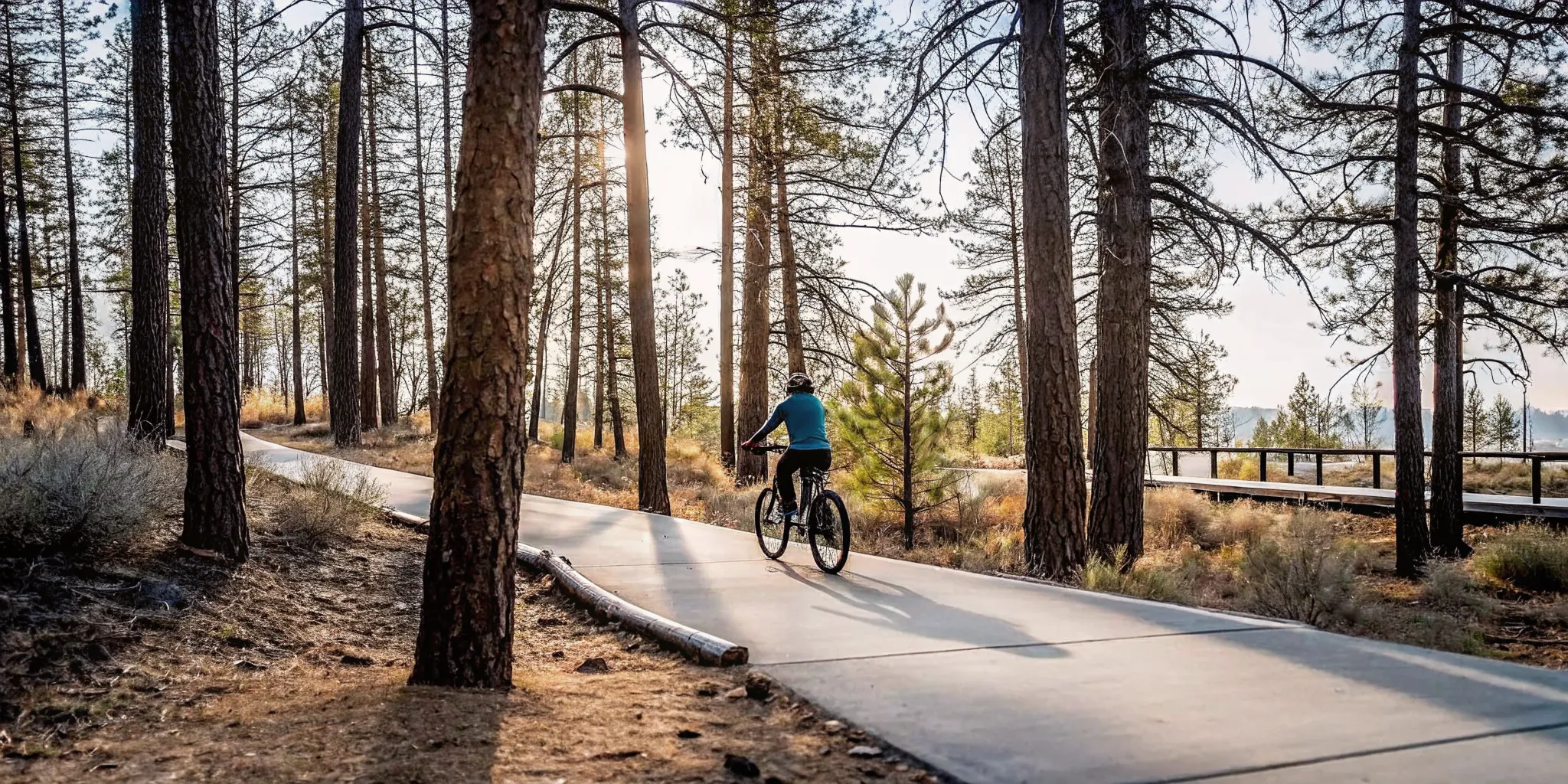
Knowing where you can ride is just as vital as knowing your bike's power. Oregon law sets clear paths for electric bikes but keeps some areas off-limits to protect safety and nature. Before you head out, you must know the rules for roads, paths, and trails.
Public roads and bike lanes
You can ride an e-bike on most public roads in Oregon. This includes streets with and without bike lanes. E-bikes must follow the same rules as standard bicycles on these paths. According to Oregon state regulations, riders must be at least 16 years old to operate any of the different e-bike speed classes on public ways.
Sidewalks and shared paths
While you can ride on many paths, some spots are off-limits. Oregon law states that e-bikes may not operate on a sidewalk. This rule helps keep people on foot safe. However, you can often use paved or unpaved multi-use paths. These paths are great for daily trips or fun rides. If you are unsure about a local path, checking local electric bike riding regulations can help you stay within the law.
State parks and natural trails
State parks offer some of the best views for riders. In Oregon State Parks, e-bikes are allowed on many multi-use trails where regular bikes can go. But there are strict limits to protect the land. For example, e-bikes are not allowed on dry sand or dunes near the ocean. Oregon State Parks rules also bar e-bikes that have been changed to exceed legal power limits. These modified bikes are seen as motor vehicles and cannot use park trails.
Trail etiquette and local signs
Even when a trail is open, you must ride with care. It is best to yield to people on foot, horses, and slower users. Always look for posted signs before you enter a new area. Land managers may close certain trails to e-bikes based on the ground or environment. If you need help choosing an e-bike compliant with Oregon law for specific trails, expert advice can make the process easy and safe.
What are Oregon's age and helmet rules?
Oregon riders must be at least 16 years old to operate an e-bike. Adults are strongly encouraged to wear a helmet, and local requirements can vary. Every rider should use properly fitted safety gear and confirm current state and local guidance.
Riding an e-bike in Oregon is a great way to explore the outdoors. But it is vital to know the law before you start your trip. Oregon has clear rules to keep people safe on the road. These rules cover who can ride and what gear you should wear.
Minimum age to ride
In Oregon, you must be at least 16 years old to ride an e-bike. This rule is part of Oregon state law and applies to all three classes of bikes. Young people under this age cannot use e-bikes on public roads or paths. It is smart to check for updates on these rules often, as local laws can change fast. If you are choosing an e-bike compliant with Oregon law, keep these age limits in mind for your family.
Helmet and safety gear
State law recommends that you wear a helmet when you ride an e-bike. While it is not always required for adults, it is a key way to stay safe. Some city rules might be more strict than state laws. For this reason, we suggest that all riders wear a helmet. Using proper gear helps you avoid injury if you fall. You should also check that your bike has different e-bike speed classes in mind when picking safety gear.
Passenger and trail rules
When you carry a passenger, you must follow extra safety steps. Most e-bikes are built for one person unless they have a seat for two. You should also know where you can ride. E-bikes are not allowed on sidewalks in most parts of the state. On trails, you must yield to people walking and those on horses. To stay safe, always look for posted signs at trail heads. This keeps you in line with local electric bike riding regulations and helps keep our trails open for all.
How to plan a legal e-bike ride around Bend
Plan a legal Bend e-bike ride by identifying your bike's class and checking the route owner's current rules. Read trailhead signs and choose bike lanes instead of sidewalks. Respecting posted limits and yielding to other users keeps shared routes safer.
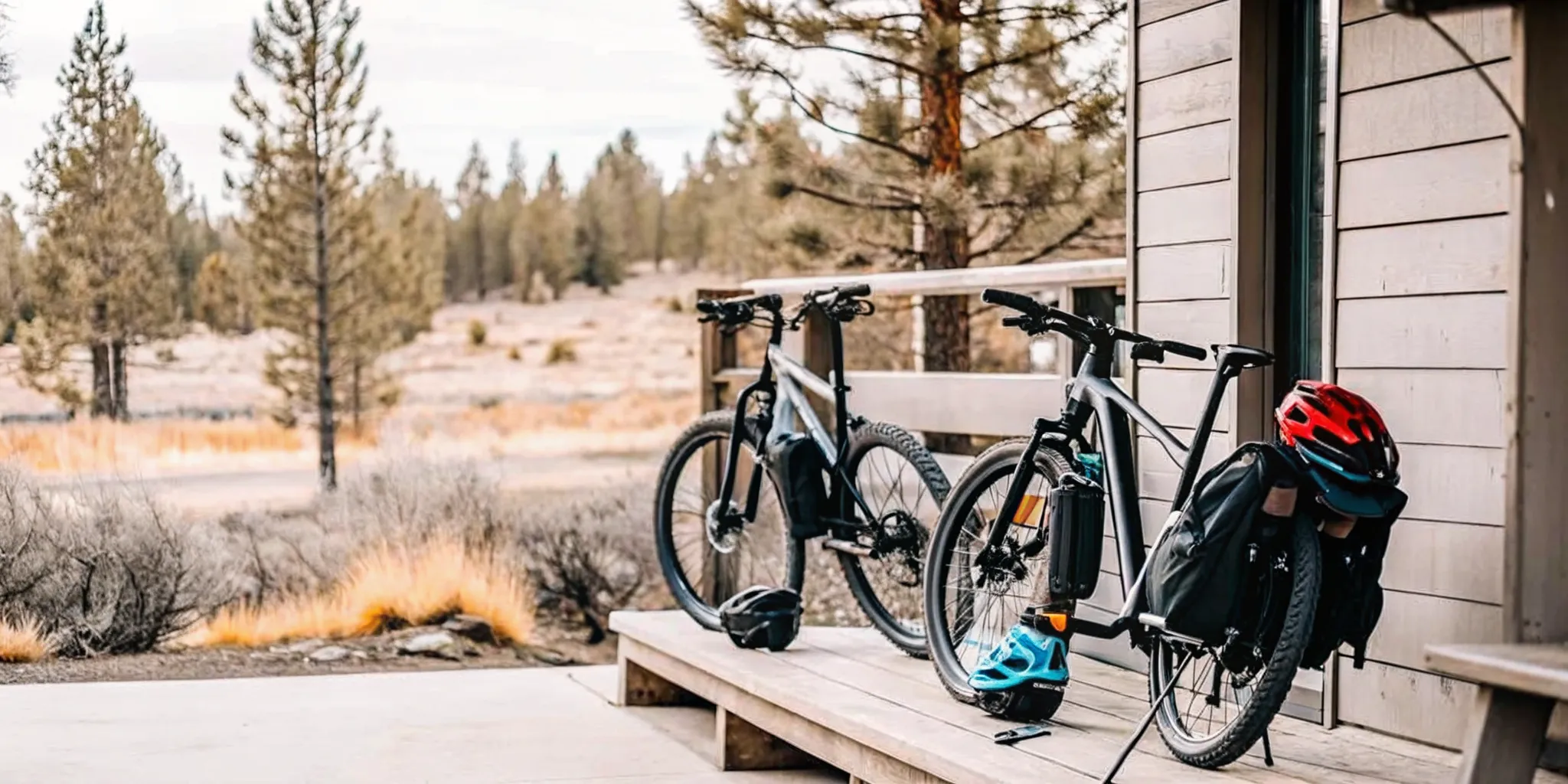
Bend has many great paths and trails for riders to enjoy. But riding a bike with a motor means you must follow the right rules. The local electric bike riding regulations help keep everyone safe. You should plan your trip before you leave the house. This helps you avoid fines and keeps the trails in good shape for others. If you are new to the area, checking a map can save you a lot of trouble.
Learn the local path rules
Most paved paths in Bend allow e-bikes that fit state rules. You can use bike lanes on most city streets to get around town safely. But you must stay off the sidewalks at all times. Oregon law says e-bikes are not allowed on sidewalks in any city. This rule protects people who are walking from faster bike traffic. Signal your turns so others know where you are going. This keeps the flow of traffic smooth for all users.
Knowing the e bike laws oregon sets for city use is the best way to stay out of trouble. Most riders find that sticking to the bike lanes is the fastest way to get across town. Bend is a very bike-friendly town, but we must all share the space well. Local police can give out tickets if you ride in a way that is not safe. Try to park your bike in racks and avoid blocking paths.
Check trail signs and maps
Many groups care for the dirt trails and parks near town. Each group may have its own rules for e-bikes on their land. Oregon State Parks often let e-bikes on trails where regular bikes go. But you must stay on firm soil or gravel. E-bikes are banned on dry sand and dunes to save the local plants. Always check for signs at the trail head to see which bike class can enter.
Weather can also change the rules for a day. If a trail is very muddy, teams might close it to all bikes. Riding on wet trails can cause ruts that ruin the path. It is a good idea to check the trail status online before you load up your bike. By following these rules, we help keep the best riding spots open for years to come. If a sign says no motors, find a new route.
Practice good trail manners
Sharing the trail is a key part of riding in Central Oregon. You should always yield to walkers, horses, and slower riders. It is best to give a friendly call before you pass someone from behind. Also, make sure you use bright lights if you ride when it is dark. Our staff can help you find different e-bike speed classes to match where you want to ride.
- Know your bike class. Check if your bike is Class 1, 2, or 3 based on rules from the Oregon Department of Transportation.
- Find the path owner. Use a map or look for signs to see which group runs the trail you want to use.
- Verify the age of the rider. State law says you must be at least 16 years old to ride an e-bike on public paths.
- Inspect your safety gear. Put on a helmet and test your front and rear lights before you start your trip.
- Stay on firm ground. Avoid riding on soft sand or in areas where bikes could hurt the soil and plants.
Choose an e-bike class that fits your riding plans
The right e-bike class depends on where you plan to ride, your preferred speed, and whether you want throttle assistance. Compare those needs with current Oregon and local access rules, then test ride suitable options before making your choice.
Oregon law groups e-bikes into three clear classes. These labels help you know where you can ride and how the bike works. Picking the right one depends on if you want a small boost or a fast way to get to work. Each class has its own rules for speed and power. Our team can help you find a bike that fits your life and your budget.
What are the three e-bike classes?
The Oregon Department of Transportation says an e-bike is a bike with a motor that fits one of three types. Class 1 bikes only help when you pedal the bike. The motor stops helping once you reach 20 MPH. Class 2 bikes are a bit unique. They have a throttle that lets the motor move the bike even if you do not pedal. These also stop giving a boost at 20 MPH.
Class 3 bikes are the fastest. They only give help when you pedal, but they can reach up to 28 MPH. Because they go fast, they must have a speedometer on the bars. Knowing these other e-bike speed classes is the first step to staying safe. It also helps you find a bike that fits your skill. You will want to follow all e bike laws oregon has in place to stay legal.
Class 1 and 2 for local paths
Most riders in Bend choose Class 1 or Class 2 bikes for fun. These bikes work well on paved paths and multi-use trails. Since they stop at 20 MPH, they are easy to control near other people. Many Segway electric bikes fall into these groups. They offer a smooth ride for active adults who want to get out and enjoy the fresh air. These bikes are also great for families who want to ride as one on the weekend.
If you plan to ride on state park trails, these classes are the top choice. Oregon lets you ride them on most trails where standard bikes are allowed. But keep in mind that e-bikes cannot go on sidewalks or dry sand. Keeping your speed low helps you share the trail with people on foot and horses. This type of riding is a great way to see the sights around Central Oregon without getting too tired.
High speed Class 3 performance
A Class 3 e-bike is a great tool for long trips. The higher speed helps you keep up with cars in the city. It can also cut your travel time in half. But these fast bikes come with more rules to keep you safe. In Oregon, you must be at least 16 years old to ride any e-bike. You must also keep these fast bikes off foot paths to prevent any crashes.
Choosing between these types can feel hard at first. Our team at Voltaire Cycles gives expert advice to help you find the right fit. We want to make sure your new bike fits your plans and all local laws. You can visit our Bend showroom for a test ride to feel how they work for yourself. We can show you how each class feels and help you pick the one that makes you feel most sure on the road.
Explore Segway e-bikes online or contact the Bend showroom for help matching an e-bike class to your riding plans.
Frequently Asked Questions
What is the minimum age to ride an e-bike in Oregon?
You must be at least 16 years old to ride an electric bike on public land in Oregon. This law applies to all three classes of e-bikes the state allows. While younger kids can ride standard bikes, the state sets this age limit for motor models to keep people safe. According to the Oregon Department of Transportation, riders must meet this age to stay legal on roads and paths.
Are e-bikes allowed on sidewalks in Oregon?
No, you cannot ride an e-bike on a sidewalk in Oregon. State law bans the use of motor bikes on these paths meant for people who are walking. This rule helps keep walkers safe from faster bikes. If you need to cross a busy area, you should use bike lanes or the road. The Oregon DMV confirms that e-bikes may not be used on sidewalks for any reason.
Are helmets required for e-bike riders in Oregon?
Oregon law says that all e-bike riders should wear a helmet for safety. While there is no state law that forces adults to wear one, some local cities may have their own rules. Wearing a helmet is a smart way to stay safe when riding at speeds up to 28 MPH. The ODOT guide says you should use a helmet unless it goes against your religious beliefs.
Can I ride my e-bike on bike paths and trails in Oregon?
Most paths and paved trails in Oregon State Parks allow e-bikes where standard bikes are allowed. However, e-bikes are banned from dry sand and ocean shores to protect plants and wildlife. Different parks may have their own rules, so you should check signs at the start of the trail. According to Oregon State Parks, your e-bike must follow state class rules to stay on the trail.
Are you ready to find an e-bike that follows all Oregon laws?
Using a bike that does not match local laws can lead to large fines and can get you banned from your top trails in Bend today. Our team of experts will help you pick a safe ride so you can start riding on paved paths and mountain dirt right now. Getting the right help now means you will not have to worry about safety risks as you explore all the great local woods near us. You can also check out our guide to local e-bike rules for more help.
Ready to find your fit? Contact Voltaire Cycles or call 541 350 0669 to visit the Bend showroom and book a consultation.