
Electric Bike Conversion Kit: When a Custom Build Fits
An electric bike conversion kit can add useful power while preserving a bicycle that already fits you well. The right decision depends on frame condition, brake capacity, battery placement, terrain, and your service needs.
Book a custom-build consultation with Voltaire Cycles before choosing a conversion kit.
An electric bike conversion kit makes sense when your existing bicycle fits well, has a sound frame and capable brakes, and can safely accommodate the motor and battery. A professional compatibility check helps you compare the true cost, ride quality, serviceability, and safety of a conversion against a purpose-built e-bike.
Custom builds give you control over motor type, battery capacity, and riding feel. This guide explains when that flexibility is worthwhile and when a complete electric bike may be the better long-term choice.
When does an electric bike conversion kit make sense?
An e-bike conversion kit makes sense when you have a good bike that you already enjoy riding. If your current bike feels good and fits you well, adding a motor can be a smart move. This path lets you add power while keeping the frame and parts you trust. In Bend, many riders use these kits to tackle steep hills or carry heavier gear without buying a new bike. It is a smart choice for those who want a custom ride without the cost of a high-end model. Our local experts can guide you through picking the right parts for your frame.
Keeping the bike you love
Many people have a deep bond with their current bike. A major plus of keeping a favorite bicycle frame is keeping a frame that feels right. You keep your favorite seat, bars, and tires while adding the assist you need. This is great for active adults in Central Oregon who want to stay on the trails they know best. You get the help of a motor while keeping the bike that has served you for years. It also saves you from the trouble of selling your old bike and finding a new one that fits.
More control over the build
Choosing a kit also gives you more control over the build. You can pick a mid-drive motor for better balance or a hub-drive motor for a simpler setup. This lets you tailor the bike for your daily commute or weekend trips in the hills. Many riders in Bend prefer mid-drive systems because they handle our local hills with more ease. Having these choices means your bike will work exactly how you want it to. You are not stuck with the parts a big brand chose for you.
Cost is another big factor for most shoppers. Buying a new e-bike can be pricey, but a kit often costs much less while giving you similar power. Most kits offer many motor sizes, from 250W for light help to 1000W for steep hills. If you want a certain type of ride, comparing torque-sensing electric bikes helps you find the best value for your needs. A kit can turn a standard bike into a fast tool for work for a fraction of the cost of a store-bought model. This makes it a great entry point for those new to electric rides.
Safety and battery care
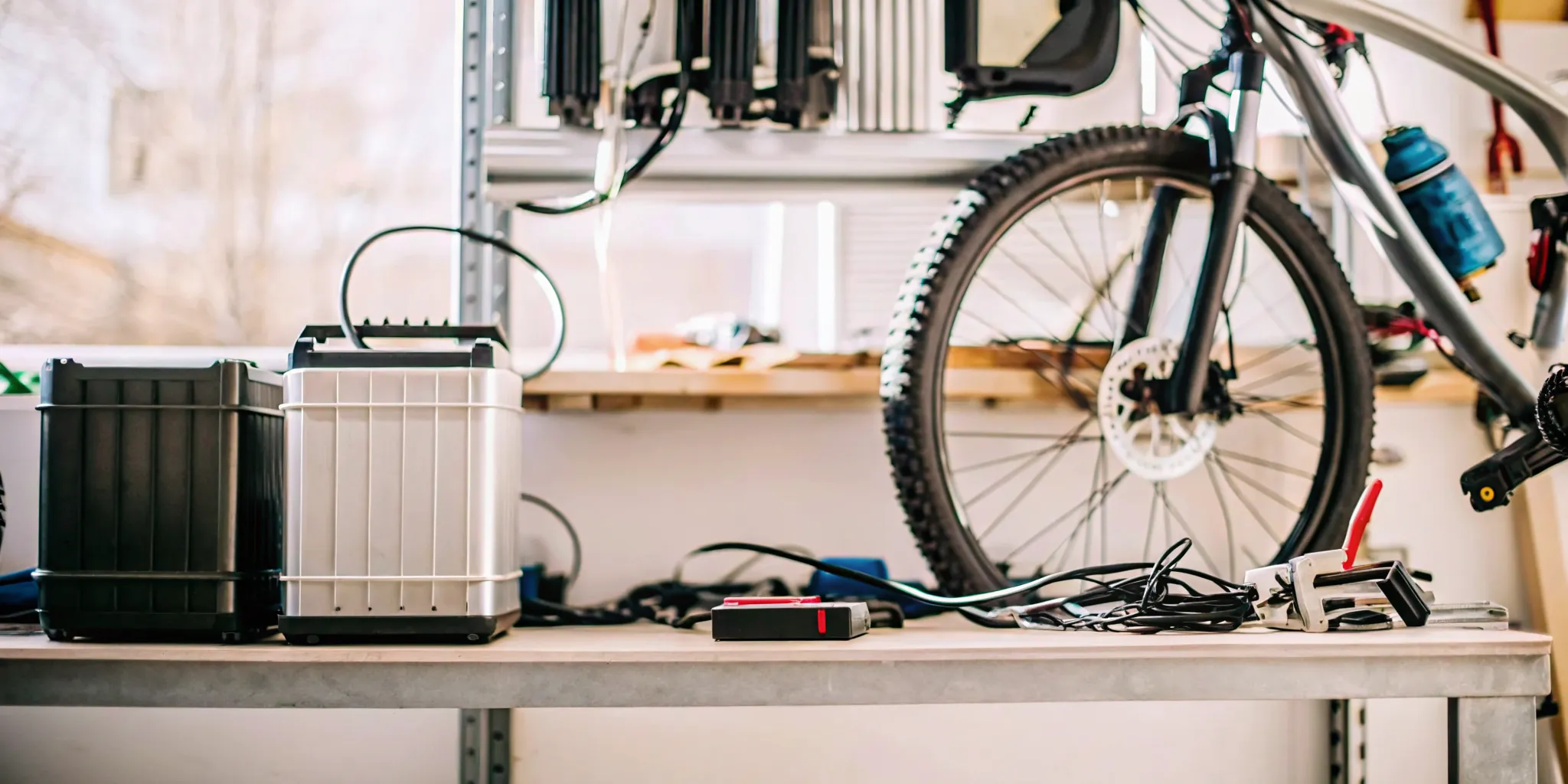
Safety is the key part of any DIY project. Public safety experts say that lithium-ion battery fires are a real risk when parts are not handled with care. You should always look for kits with certified batteries that meet top safety standards. High-quality cells from brands like LG or Panasonic offer better peace of mind. Our team in Bend can help you pick a kit that is safe to charge and use. Follow the right steps during your DIY build to avoid burn risks. This will also keep your bike running for a long time. We always suggest using an expert for the final check to ensure everything is secure.
Which conversion system fits your riding?
Choosing the right electric bike conversion kit starts with how you plan to use your bike. Each system changes how your ride feels and how the bike handles. You must think about your local paths, how much work you want to do on the bike, and your budget. Most kits fall into three main types: front hub, rear hub, or mid-drive motors. Finding the best match for your frame and your fitness goals will help you get the most out of every mile.
Hub drive systems for simple power
Front hub kits are the easiest to set up on most bikes. You simply swap your front wheel for one with a motor. This setup creates "all-wheel drive" since you still pedal the rear wheel with your own legs. It works well for flat city streets and casual rides on paved paths. However, it can make the front of your bike feel heavy. On loose gravel or wet leaves, the front tire might spin if you use too much power at once. If you are understanding lightweight e-bike tradeoffs to keep it light and simple, a small front hub is often a smart pick.
Rear hub kits feel more like a standard bike. The motor pushes you from behind, which gives you better grip on hills or damp roads. These are very common for riders who commute because they are tough and don't cost a lot of money. The motor is tucked away in the back wheel, which helps the bike look like a regular ride. The main trade-off is that they make fixing a rear flat tire more of a chore. You have to deal with power wires and the extra weight of the motor while working around your chain and gears.
Many riders prefer rear hubs because they put less stress on the front forks of the bike. Forks are not always built to handle the pull of a motor, so a rear-drive setup can be safer for older frames. Since most of your weight is over the back wheel, you get better traction when you start from a full stop. This makes it a great choice for riders who carry gear or heavy bags on a rear rack.
Mid drive motors for climbing and balance
A mid-drive kit sits in the middle of your bike frame right where the pedals are. This keeps the motor weight low and centered, which makes the bike feel very stable. These motors use your bike's own gears to help you climb. This means you can stay in a low gear for steep hills or a high gear for flat roads. They are the best choice for mountain bikers or anyone living in hilly areas like Bend where the climbs can be long and steep.
While mid-drive kits offer great power, they do put more stress on your chain and gears. Since the motor pulls on the chain just like you do, those parts can wear out fast. You will need to keep an eye on your bike and do care checks often to keep it shifting well. This is a key point when understanding torque-sensor ride feel for your daily needs. For many riders, the better balance and the smooth feel of the motor are worth the extra work.
| System Type | Best Terrain | Install Difficulty | Ride Feel |
|---|---|---|---|
| Front Hub | Flat Roads | Easy | Pulls from front |
| Rear Hub | City & Commuting | Medium | Pushes from back |
| Mid-Drive | Steep Hills | Hard | Smooth and balanced |
Safety and care for your kit
No matter which system you pick, safety must come first. You should only use high-grade parts and follow all steps in the manual. Public health experts warn that DIY electric bike conversion kit setups need careful handling to avoid fire risks. Always use a battery from a trusted brand and never leave it to charge alone for a long time. High-grade cells from brands like LG or Panasonic are much safer than cheap packs found online.
Regular checks will keep your new e-bike running well for years. Check your bolts, brakes, and spokes once a week to make sure nothing has come loose. Since your bike now goes faster and weighs more than before, these parts will wear out soon. Keeping your motor and battery clean and dry will also help the parts last. If you ever feel unsure about your build, going to a local shop for a safety check is a great way to ride with peace of mind.
Is your current bike a good conversion candidate?
Adding an electric bike conversion kit to a bike you already own is a smart way to get a new ride. But not every bike can handle the extra speed and weight of a motor. Before you start, you should check the health of your frame and parts to stay safe. A poor fit or a weak frame can lead to breaks that put you in danger.
Check your frame and fork strength
Your bike frame must be strong and in good shape. Look for cracks or rust, mainly near the joints and the rear dropouts. Aluminum and steel frames are often best for a DIY build because they can handle the push from a motor. If you use a front-wheel kit, make sure your fork is made of steel. Stiff steel forks are much better at holding a motor than thin carbon or light alloy forks. A pro check at a shop can help you find hidden issues before they become big problems.
Safety is a top point to think about when you change how a bike works. Experts say that cautious handling of DIY conversion kits is a must to avoid harm. If you are not sure if your frame is safe, it is best to ask a shop for a look. You want to make sure the bike you love is ready for the new power.
Review your brakes and wheel space
Electric motors make you go faster and add weight to your ride. This means you need strong brakes to stop safely. Disc brakes are the best choice for a changed bike because they work well in all weather. If your bike has rim brakes, make sure the pads are new and the rims are straight. You should also check that your wheel dropouts have enough space for the motor axle. Most hub motors need a set width to fit without rubbing against the frame.
When comparing bike weight and handling, think about the total weight. Most kits add a fair amount of mass, so your wheels and tires must be tough. Using wider tires can help deal with the extra speed and give you a smoother ride. Proper DIY electric bike maintenance starts with checking these parts often to keep everything in good shape.
Find space for the battery and parts
You will need a solid spot to mount the battery and the brain of the kit. Most people use the water bottle holes on the down tube. Check that there is enough room for the battery pack to slide in and out with ease. If your frame is too small, you might need to use a rear rack for the battery. This can change how the bike feels, so try to keep the weight low and in the middle if you can. A well-placed battery helps the bike stay steady when you turn or stop.
How a professional custom conversion comes together
Planning your electric build
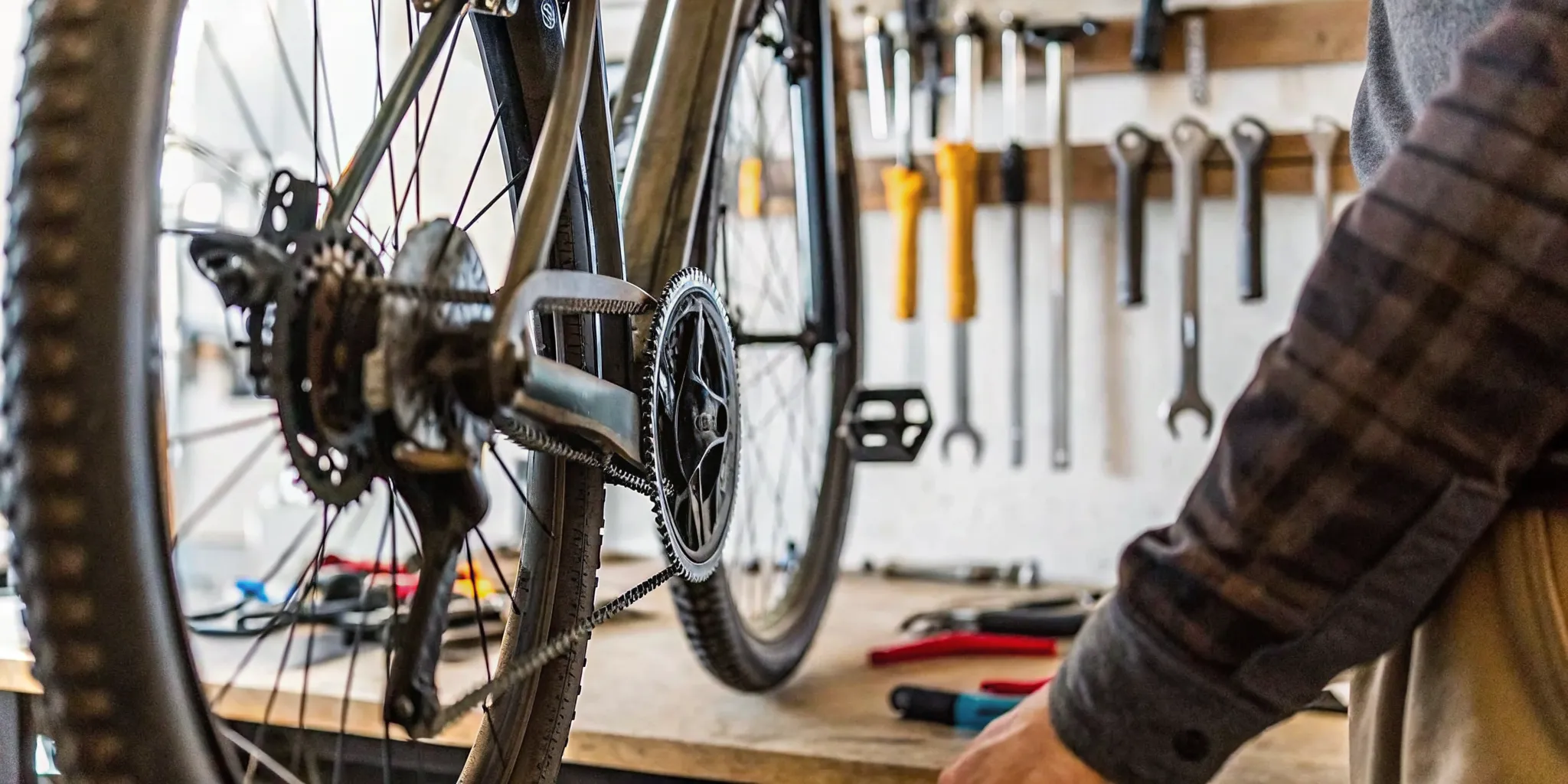
Turning a bike you love into an e-bike is a smart way to get more miles out of your old frame. It starts with a clear plan for your rides. You need to know how you will use the bike each day. Will you ride to work in Bend or hit the dirt trails in the forest? The right electric bike conversion kit depends on your goals and your bike's shape. We help people find the best fit during our free expert talks at the showroom. This step makes sure your motor matches your needs without adding too much weight to your ride. We look at your daily miles and the hills you climb to find the best battery size for your kit.
A good plan also looks at how you want the power to feel. Some riders want a big boost for steep hills. Others want a light touch that feels like a normal bike. By choosing the right parts early, you avoid buying gear that does not fit your frame. We also look at your budget to find a balance between cost and power. This keeps your build simple and fun to ride in Central Oregon.
The custom build process
A great build is about more than just bolting on a motor. It is a precise task that changes how your bike feels and moves. When we build a bike in our Bend shop, we follow a strict path to keep it safe for the road. We check everything from the wheel spokes to the battery mount. This is vital because high-power kits can push a standard bike frame to its limits. We look at the frame metal to see if it can handle the extra torque from a mid-drive motor. Steel and aluminum frames work best for most builds.
We also pay close attention to your brakes and tires. Electric power makes you ride faster and stop more often. We may suggest better brake pads or wider tires to handle the speed. Our team makes sure the weight of the battery is low and centered on the bike. This keeps the bike easy to turn and safe to park. A well-built bike should feel like one unit, not a set of loose parts.
- Expert review. We start by talking about where you ride and what you need. We look at your bike to see if it can handle the power of a new motor system.
- Bike check. Our team checks your brakes, chain, and tires. Safety is the top goal when evaluating a lighter electric ride to run on electric power.
- Part choice. We help you choose between a hub motor or a mid-drive motor. We pick high-quality parts like Segway batteries or brand-name cells for the best results.
- Expert setup. We mount the motor, battery, and screen. We use tools to make sure every bolt is tight and all wires are safe from the wind and rain.
- System tests. We run the bike through its paces. We test the throttle, pedal help, and brakes to ensure the system works as one unit.
- Rider setup. We show you how to use the screen and manage your battery. Proper DIY electric bike maintenance helps your kit last for many years.
Why build details matter
Expert builds focus on safety and lasting value. Large kits from the mass market can be risky if they are not set up right. Public health experts have found that faulty conversion kits can lead to battery fires if left alone while charging. This is why we use safe parts and careful methods in our shop. A pro build gives you peace of mind that your bike is ready for the local roads. We only use batteries that pass strict safety tests to reduce risks.
Small details like wire paths and water seals make a big difference in Central Oregon. Our dust and rain can harm cheap parts over time. By using high-grade seals, we keep your bike running in all weather. We also offer a full service plan for every build we finish. This means you have a local team to help if you ever have a tech issue. Keeping your bike in top shape ensures you get the most joy out of your electric ride.
Conversion kit or purpose-built electric bike?
Buying an electric ride is a big choice. You may want to add a motor to your old frame or buy a fresh bike. Both paths have good points. Using an electric bike conversion kit for converting your current bike lets you keep a frame you know and love. But a new bike gives you a full system made to work as one. You must weigh cost, safety, and how you plan to ride.
Keeping the bike you love
Many riders have a bike that fits them just right. It might be a sturdy cruiser or a fast road bike. A kit lets you keep that feel while adding speed. It is often a cheap way to get more power for hills. You can pick the motor and battery that fit your exact needs. Some kits are light for easy lifting, while others offer more range for long trips.
Cost is a big factor for most people. A kit can save you money if you now own a good bike. You do not have to pay for a new frame, seat, or wheels. This path is great for people who like to work on their own gear. It lets you learn how your bike works while you set it up. But you will need to spend time on the build. You must make sure every bolt is tight and every wire is safe.
If you have a unique bike, a kit may be your only choice. Trikes or cargo bikes can be hard to find in a stock form. A kit lets you turn almost any bike into an e-bike. This is helpful for those with valued bikes they do not want to replace. At our Bend showroom, we see many people who want to give their old bikes a new life. We can help you find a kit that fits your unique frame.
The benefits of built-in design
A pre-built e-bike is made for the extra weight and speed of a motor. The brakes and frame are often stronger to handle the load. All parts are hidden and clean. You do not have to worry about loose wires or parts that do not fit. Most new bikes come with a full warranty. This gives you peace of mind if a motor or battery breaks down.
Stock bikes also offer a better ride feel. Many use smart sensors to help you pedal. These choices between kits and complete ebikes often come down to how smooth you want the power to be. A built-in system can feel more like a normal bike. You do not feel the motor kick in all at once with a jerk. Brands like Segway focus on this smooth feel for a safe, fun ride.
Repair is also easier with a pre-built bike. Shop pros know how to fix these systems. When you build your own, finding help can be hard. Not every shop will work on a DIY bike. Buying a new bike means you have a team to back you up. You can visit us in Bend for service at any time. We can help keep your ride in top shape for years.
Safety and legal rules
Safety is the most vital part of any e-bike. Lithium-ion batteries can be a fire risk if not made or used well. This is a global concern for many small electric vehicles. You must use a kit with a safe, tested battery. Cheap kits may lack the parts needed to stay cool while charging. It is best to look for kits that meet high safety rules.
You also need to know the law. Many kits have motors that are too strong for bike paths. Some kits can go over 30 mph. This may turn your bike into a moped in the eyes of the law. You might need a plate or a license to ride it. A pre-built bike is usually set to follow local rules. This keeps you safe and legal on every trail and road.
Frequently Asked Questions
How much does it cost to convert a bike to electric?
Changing a bike is a good way to get an electric ride. Most kits are cheaper than buying a new e-bike from a store. You save money by using a frame and parts you already own. Cycling Electric notes that kits are a great choice instead of buying a high-end pre-built bike. The total price depends on the motor power and the battery size you pick.
How fast will an electric bike conversion kit go?
The speed of a kit depends on the motor size and local laws. Standard kits with 250W motors often follow the 20 mph limit for electric bikes. High-power 1000W kits can reach speeds of 30 mph or more on private land. It is vital to check your local rules before you ride. Ebike Essentials shows that these kits offer a lot of power but may fall under other rules than standard bikes.
How much weight does an e-bike conversion kit add?
A kit adds about 10 to 20 pounds to your bike. The battery is often the heaviest part of the system. Common batteries for these kits weigh between 2 kg and 2.6 kg, as Swytch shows. This weight makes them easy to handle while still giving you enough range for your trips. The motor adds more weight to the wheel or the frame. Choosing light parts can help keep your bike easy to lift and move.
Do I need a specific kit for my wheel size?
Yes, if you use a hub-drive kit, the motor must match your wheel size. Hub motors are built into the wheel, so you must pick the right size for your frame. Common sizes include 26-inch and 29-inch wheels. Mid-drive kits do not depend on wheel size because they move the chain instead. BikeBerry notes that kits come in many sizes and power choices to fit a wide range of standard bike frames and needs.
Are you ready to book your custom electric bike consultation in Bend?
If you wait too long to start your build, you might spend one more season on a bike that does not meet your needs. Choosing the right motor and battery now means you will be ready to ride as soon as the warm weather and sun come out. Starting today with help from our Bend showroom experts ensures you get the right power and range for your own needs without guessing.
Ready to book a custom electric bike consultation or visit the Bend showroom? Contact our team of local electric bike experts today to book your meeting and get a free consultation on your new electric bike conversion project.