

Best Commuter Electric Bike Features for Bend
Riding an electric bike across Bend replaces traffic with fresh air and exercise. Most riders need a machine that handles the climb from the Old Mill to Northwest Crossing. Finding the best commuter electric bike requires looking at power, battery life, and safety.
Visit the Bend showroom and book a test ride with Voltaire Cycles of Central Oregon.
The best commuter electric bike for Central Oregon must handle steep hills and shifting weather without losing power. These bikes use torque-sensing motors and large batteries that provide a range of up to 80 miles on one charge. Bend riders need bikes like the Segway Myon to climb steep paths and stay stable on both paved and dirt roads. According to the City of Bend Transportation Data, many local residents are choosing bikes for daily trips to avoid traffic. When you pick a commuter bike, look for built-in lights, fenders for wet weather, and a strong rack for your gear. These parts help keep your ride safe and useful all year.
What makes the best commuter electric bike?
Quick answer: The best commuter electric bike is comfortable, predictable, and equipped for the trips you make most often. It should fit your body, climb your steepest hill without strain, carry everyday gear, stop confidently, and provide enough real-world battery range for a round trip with a practical reserve.
The best commuter electric bike should be a tool you can trust for your daily trip. A top bike for your commute blends comfort, safety, and ease of use. It must handle city streets well and keep you fresh for your work day. Most of all, it needs to be a ride you want to use every morning.
Predictable handling and fit
Good handling is key when you ride in traffic. The bike should feel steady, even with a heavy bag or gear on the back. A frame that fits your body helps you stay in control during quick turns. Many riders find that mid-drive motors help keep the weight low. This makes the bike feel more natural while giving you plenty of power.
You also need to think about how you sit. An upright pose lets you see cars and people better than a low race pose. This view is vital for safety in busy areas. Look for bikes with parts you can adjust, like the seat or bars, to find your best fit.
Reliability for daily use
Your bike must work every time you leave the house. High-quality parts, such as strong tires and good brakes, lower the risk of a flat or a break. Since e-bikes provide physical activity at a moderate level, a good bike helps you stay active. A steady motor and battery mean you will not get stuck on your way.
All-weather practicality
A true commuter bike needs to handle rain, mud, and grit. Fenders are a must to keep your clothes dry. Built-in lights that run off the main battery make sure others can see you at all times. Many riders also add a rack to carry bags so they do not have to wear a pack on their back.
At our Bend showroom, we can help you find a bike that meets these needs. We focus on brands like Segway that offer the tech and build quality you need. Testing a bike in person is the best way to see how it feels on the road.
Match motor and battery performance to your route
Quick answer: Match the motor response and usable battery range to your steepest hill, longest round trip, typical cargo, and coldest riding days. A test ride on a realistic route is more useful than comparing a single range or power number.
Finding the best commuter electric bike starts with the motor and battery. You need parts that fit your daily path. In Central Oregon, this means thinking about steep hills and wind. Your motor choice affects how the bike feels when you pedal. It also dictates how much help you get when the road goes up.
Pick the right sensor for your ride style
Most e-bikes use one of two sensor types to start the motor. A cadence sensor checks if you are pedaling. It gives a steady boost once the cranks turn. This style is often found on low-cost bikes. It is great for flat roads where you want an easy cruise. But it can feel like the bike is pulling away from you at times.
A torque sensor measures how hard you push on the pedals. It feels more real because the motor matches your own effort. If you pedal harder, the bike gives you more power. This is helpful for stop-and-go traffic. It also gives you better control on slick paths. If you want a smooth ride that feels like a normal bike, a torque sensor is the better choice.
Power through the hills of Bend
Your motor needs enough torque to get you up steep streets. Torque is the force that moves the bike. Mid-drive motors are often the best choice for hilly areas like Bend. These motors sit in the middle of the bike frame. This spot lets the motor use the bike gears for more climbing power. It keeps the weight low and in the middle for better balance.
Hub motors sit inside the front or rear wheel. They are simple and often cost less. These are fine for flat city streets. But they can struggle on long, steep climbs. If your commute includes many hills, a mid-drive motor will help you reach the top. You can find high-power models in our Segway store that handle varied paths well.
Plan for range and weather
Battery size is measured in watt-hours. A bigger number often means you can go further. But real range depends on more than just the battery size. Hills, wind, and your own weight all play a part. Cold weather in Central Oregon also affects how far you can go. Cold air makes the battery less good. You might lose some range when the snow starts to fall.
Most commuters should look for a battery with at least 400 to 500 watt-hours. This provides enough help for a round trip with some hills. Some models, like the Segway Xyber, even come with a second battery to double your range. The U.S. Department of Energy points out that rider habits and terrain change how much power you use. To get the most range, keep your tires pumped up. Also, use a lower power level on flat parts of your ride.
Compare the commuter features that matter each day
Quick answer: Daily commuters benefit most from dependable lights, confident brakes, puncture-resistant tires, full-coverage fenders, and a sturdy cargo rack. Prioritize the equipment that removes excuses and makes the bike practical for every ordinary trip.
Picking the best commuter electric bike means looking at more than just speed. The right bike must handle your daily path with ease. You need a ride that stays safe and works well in all kinds of weather. Small changes in how the bike is built can make a big impact when you ride it to work each day.
Safety and control on city streets
Good lights are a must for any rider. You want a bright front light to see the road and a red rear light so cars can see you. Many top bikes now come with lights that turn on when you start the bike. This helps you stay safe even on gray days or in low light.
Brakes are also key for city riding. Look for hydraulic disc brakes if you can. They give you the most stopping power when it is wet or muddy. The Consumer Product Safety Commission sets rules for bike brakes to help keep riders safe. Check that the brakes feel firm and stop the bike quickly during your test ride.
Weather and cargo needs
If you ride to work, you will likely need to carry gear. A rear rack lets you attach bags so you do not have to wear a heavy pack. Look for a rack that can hold at least 25 pounds. You should also check for fenders. Fenders block water and mud from splashing your clothes when the ground is wet.
The Segway electric bike lineup offers many models with racks and fenders built in. These features help make them some of the best commuter electric bike choices for daily use. Think about what you carry each day to pick the right gear for your needs.
Commuter feature guide
| Feature | Why it matters | What to check |
|---|---|---|
| Built-in Lights | Helps cars see you at all times. | Test the brightness in a dim area. |
| Fenders | Keeps mud and rain off your clothes. | Look for a snug fit with no rattles. |
| Rear Rack | Carries work gear or food easily. | Check the weight limit on the rack. |
| Hydraulic Brakes | Provides fast stops in wet weather. | Squeeze the levers to feel for grip. |
| Battery Removal | Allows for easy charging at your desk. | Try taking the battery out and back in. |

Compare Segway electric bikes with commuter-ready features.
Riding position and tires
How you sit on the bike affects your comfort. An upright way to sit is often best for city trips. It lets you see cars more easily and puts less stress on your back. You should also look at the tires. Wider tires can handle bumps and tracks better than thin ones. They also give you more grip when you need to turn or stop on slick roads.
Before you buy, you should take a ride to feel how these parts work as one. You can visit Voltaire Cycles of Oregon to test many models in person. Trying the bike on real streets is the best way to find the right fit for your commute.
How much do comfort and fit matter for commuting?
Quick answer: Comfort and fit determine whether a commuter e-bike becomes a daily habit or stays in the garage. The right frame size, riding position, contact points, and cargo setup reduce strain, improve control, and help you arrive ready for the rest of your day.
A daily commute is not just a one-time ride. It is a repeat task that places stress on your back, wrists, and neck. If your bike does not fit you well, you may find reasons to leave it in the garage.
The best commuter electric bike must provide a mix of ease and support. This helps you arrive at work feeling fresh rather than tired or sore. Comfort turns a chore into a highlight of your day.
Choose the right frame for daily use
Ease of use starts before you even sit down. Many people find that a step-through frame makes a big difference. These frames lack the high top bar found on older bikes.
This design allows you to mount and dismount with little effort. This is helpful if you wear work clothes or carry a heavy bag. Models like the Segway MUXI offer this low entry point.
The frame shape also leads how your body feels during a long trip. Commuter bikes often favor an upright stance. This keeps your head up so you can see traffic easily. It also shifts weight off your hands and onto your seat.
According to research on cycling kinematics, proper frame size and seat height are key to stopping knee pain. Our team in Bend can help you find a frame that matches your height and reach.
Set up your contact points
Your hands, feet, and seat are where you connect with the bike. These spots take the most pressure. Soft grips and a wide seat can help, but the setup must be right.
You should have a slight bend in your knee at the bottom of each pedal stroke. Your arms should reach the bars without reaching too far. Small shifts in the seat spot can change how your weight is spread.
This stops numbness in your feet or hands during a short ride. The fork also plays a role in how a bike feels on city streets. Most roads in Central Oregon have bumps and cracks.
A front fork with travel can soak up these shocks. You can rent an electric bike to test different models on your actual commute. This lets you see which level of comfort works best for your path.
Plan for your cargo needs
Carrying a heavy pack on your back can lead to sweat and strain. The best setups use racks to move that weight to the bike frame. This keeps your center of gravity low and makes the ride more stable.
Many Segway models allow for front and rear racks. This lets you carry a laptop or even food with ease. This balance is vital for safe riding in busy areas.
Regular use of a well-fitted bike leads to real health gains. A study on e-bike commuting shows that it helps people stay active and feel better.
When a bike feels good, you are more likely to ride it every day. This habit is what builds fitness and saves you money on gas. Investing in fit means you are getting a tool you will really use for years.
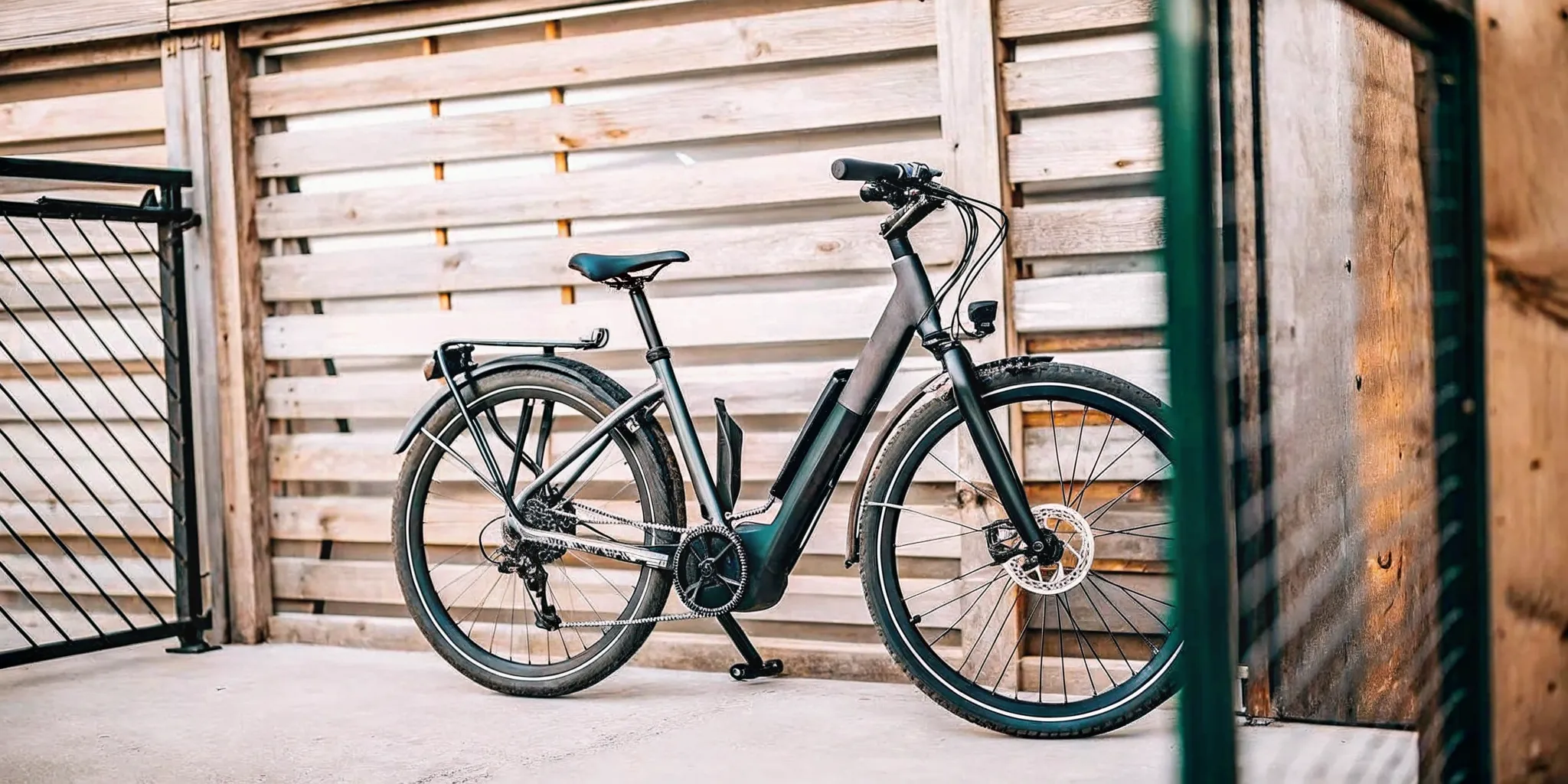
Choose for Bend and Central Oregon conditions
Quick answer: Bend commuters should plan for hills, cold mornings, dust, mixed pavement quality, and rapid weather changes. Choose a bike with predictable assist, capable brakes, practical tires, and accessories that keep both rider and cargo protected.
Riding a bike in Bend and Central Oregon brings unique needs. Our high desert home has steep hills, cold air, and changing paths. To find the best commuter electric bike for our area, you must think about local weather and terrain. From frosty mornings to dusty trails, your bike needs to handle it all with ease.
Manage steep hills and high altitude
Bend sits at about 3,600 feet, and many streets have sharp grades. A mid-drive motor is often the best choice for these climbs. These motors use the bike's gears to help you go up hills without overworking the battery. This setup keeps the bike balanced, which is vital on the mixed surfaces of our local bike lanes. You can test these different motor types at our showroom to see which feels right for your daily route.
Prep for cold mornings and wet paths
Our mornings are often cold, even in the summer. Cold air can make your battery drain faster, so look for a bike with a large range. On wet days, full-coverage fenders are a must to keep you dry. Safety tips for winter riding suggest using front and rear lights at all times. This is key in Bend where glare and quick weather changes can make it hard for cars to see you.
Handle dust and mixed surfaces
Central Oregon is known for dry, dusty air. Dust can get into your bike's moving parts and cause wear. We suggest bikes with sealed parts or belt drives to lower the need for cleaning. Many of our paths also change from smooth asphalt to rough gravel or dirt. Wider tires provide a better grip and more comfort on these mixed paths. When you shop for an e-bike, pick one that lets you ride from paved streets to river trails with no stress.
Keep your bike safe and visible
Secure parking is a big concern for many commuters in town. High-quality locks and bikes with built-in tracking help keep your ride safe. Since we enjoy over 300 days of sun, UV rays can also affect your bike's paint and plastic parts over time. Storing your bike in the shade or using a cover will help it last longer. We provide expert advice on locks and storage to help you protect your new e-bike from theft and the sun.
How to test ride a commuter electric bike
Quick answer: Test ride a commuter e-bike using the same shoes, cargo, starts, stops, turns, and hills you expect in daily life. Check fit, motor response, braking, low-speed balance, mounting ease, and whether its controls remain simple to use while watching the road.
Before you head to our Bend showroom, think about your daily trip. The best commuter electric bike for you depends on your exact path. Do you have steep hills? Will you carry heavy bags? Knowing these facts helps our team find the right match. We suggest you wear the same shoes and gear you plan to use for your real rides. This helps you get a true feel for the bike's fit and balance. A test ride is the best way to see how the bike handles the weight of a battery and motor.
Check the fit and feel
When you first sit on the bike, check if your feet can touch the ground. A good fit keeps you safe and helps you stay in control at stoplights. You should also check how easy it is to reach the brakes and shift gears. Commuter bikes often come in many frame styles, like step-through or high-step. Test both to see which one feels more stable as you get on and off. Our team in Bend can help you adjust the seat height to protect your knees and back during long trips.
Master the motor and assist modes
Electric bikes give you extra power as you pedal. Most models have several levels of help, called pedal assist. During your test ride, try every setting from low to high. This shows you how the bike handles speed changes. You want a motor that feels smooth and does not jump forward too fast. Safe riding starts with knowing how the bike acts when you push it. Based on data from the National Highway Traffic Safety Administration, wearing a helmet and following road rules are key to staying safe on any bike. Learning how to use the assist safely is a big part of your first ride.
The test ride checklist
Follow these steps to make sure you pick the right bike for your needs. Our staff at the Bend showroom can help you with each part of the check as you try out many models.
- Try a path like your own. Ride on roads that look like your commute. If you have hills on your way to work, find a slope to test the motor's strength.
- Test the brakes at low speed. Start slow and pull the brakes to feel their bite. Good brakes should stop you smoothly without a jerky feel.
- Try the low-speed handling. Ride in a tight circle or a figure-eight. This shows you how the bike feels in traffic or tight spots.
- Check the gear shifts. Shift through all the gears while using the motor. The chain should move quietly and quickly without slipping.
- Test the assist settings. Switch between eco and turbo modes. Make sure the power kicks in when you need it but stays easy to control.
- Inspect the extra gear. Check the lights, fenders, and racks. These tools make a big difference when you ride in the rain or carry bags.
- Ask for a fit check. Once you finish your ride, talk to our team. We can adjust the seat and bars to make sure your ride is perfect.
Talk to a local expert
At Voltaire Cycles of Central Oregon, we want you to feel sure about your choice. Our staff can explain how it works and help you choose between mid-drive or hub-drive units. We also offer Segway electric bikes and scooters that are great for city trips. You can take a test ride without any pressure to buy right away. We pride ourselves on being a local resource for the Bend area. We are here to help you find the best commuter electric bike for your daily travel and budget.
Frequently Asked Questions
What is the average range for a commuter electric bike?
Most commuter e-bikes can travel between 25 and 60 miles on one charge. The exact distance depends on the battery size, the motor power, and how much you pedal. As shown by Segway, some models can go even further with smart power use. Riding on flat ground or using a low assist level will help you reach the top of this range during your daily trips.
Can I ride an electric bike on Bend bike paths?
Yes, you can ride Class 1 and Class 2 electric bikes on most paved bike paths in Bend. These bikes must have a motor that stops helping when you hit 20 miles per hour. The Bend Parks and Recreation District sets these rules to keep all path users safe. Always yield to people walking and keep your speed low when you pass others on the trail.
How do I charge an electric bike at home?
Charging your bike at home is simple and only needs a standard wall outlet. Most e-bikes come with a charger that fits into a normal household plug. You can charge the battery while it is on the bike or take it inside if it is easy to take off. It often takes about three to seven hours to get a full charge, making it easy to do overnight or while you work.
How much maintenance does an electric bike require?
Electric bikes need about the same level of care as a standard bike. You should check your tire pressure, clean the chain, and test the brakes once a month. Since e-bikes are heavy and go fast, you may need to replace brake pads and tires more often. Experts at Voltaire Cycles of Oregon suggest an expert tune-up once or twice a year to keep the motor and battery in top shape.
Are you ready to find your best commuter e-bike in Bend today?
Every single day you stick with your car is a day you lose time in slow Bend traffic and pay more for high fuel prices. When you start your search right now, you can beat the crowds and find the exact bike you need before the busy riding season starts up. Waiting only means more stress on the road and more money spent on gas while other local riders pass you by on the bike path.